
Our beloved pets bring us immeasurable joy and companionship, and ensuring their well-being is paramount. While we meticulously address their nutritional and exercise needs, dental health often takes a backseat. However, a healthy smile is crucial for a pet’s health and happiness. Neglecting dental hygiene can lead to significant health problems, impacting their quality of life.
Just like humans, pets are susceptible to dental diseases. Plaque and tartar buildup can lead to gingivitis, an inflammation of the gums, and progress to periodontitis, which involves damage to the supporting structures of the teeth. Beyond oral discomfort and pain, untreated dental issues can have systemic consequences. Bacteria from the mouth can enter the bloodstream, potentially affecting vital organs such as the heart, kidneys, and liver.
Understanding the Risks:
Dental disease is a common ailment in pets. By age three, many dogs and cats exhibit signs of periodontal disease. This condition begins with the accumulation of plaque, a sticky film of bacteria that hardens into tartar. Tartar irritates the gums, causing inflammation and redness. Over time, this inflammation can lead to bone loss and tooth loss.
Recognizing the Signs:
Early detection is crucial for preventing severe dental problems. Be vigilant and watch for these signs:
- Persistent Bad Breath: This is often the first indicator of dental issues.
- Visible Tartar Buildup: Yellow or brown deposits on the teeth signal tartar accumulation.
- Red, Swollen, or Bleeding Gums: These are signs of gingivitis.
- Loose or Broken Teeth: This can indicate advanced periodontal disease.
- Difficulty Eating: Your pet may show reluctance to eat hard food or chew on one side.
- Excessive Drooling: This could be a sign of oral discomfort or pain.
- Changes in Behavior: Irritability or reluctance to be touched around the mouth.
Tips and Tricks for a Healthy Smile:
Maintaining your pet’s dental health requires a proactive approach. Here are some effective strategies:
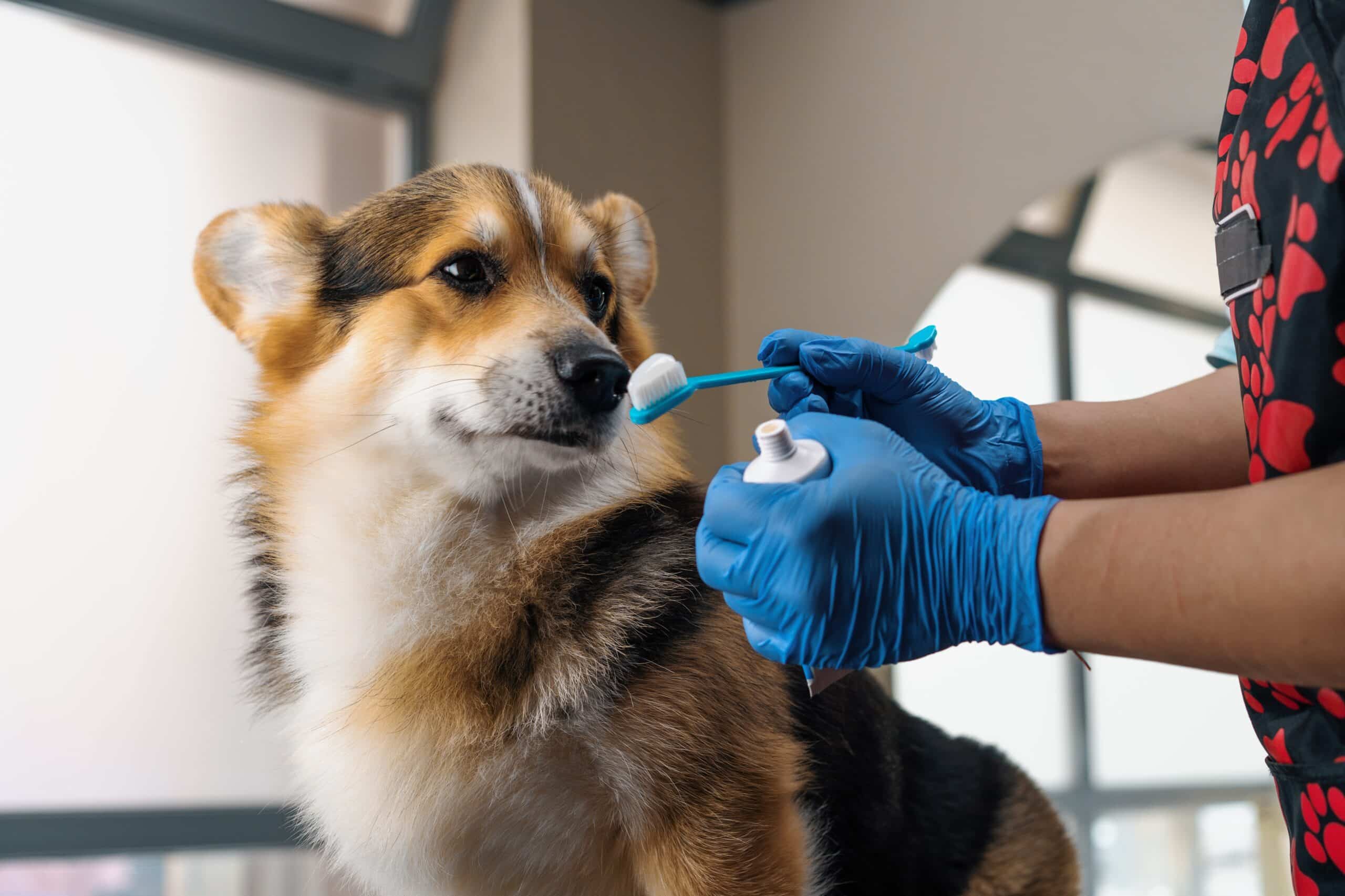
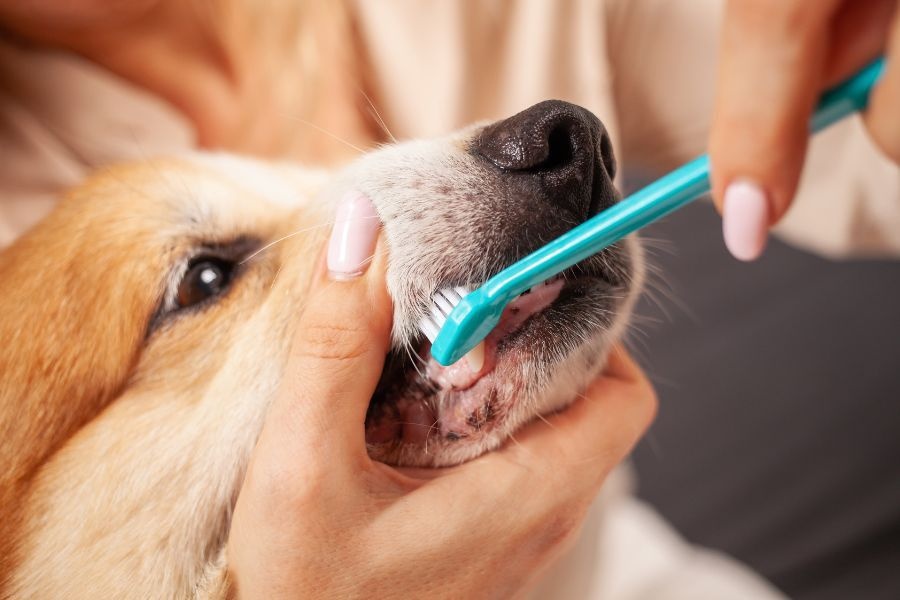
- Regular Brushing: Brush your pet’s teeth daily using pet-specific, soft-bristled toothpaste. Introduce brushing gradually and make it a positive experience.
- Dental Chews and Toys: Provide dental chews and toys designed to help remove plaque and tartar. Look for safe and appropriate products for your pet’s size and chewing habits.
- Dental Diets: Consider feeding your pet a diet formulated to reduce plaque and tartar buildup. These diets often have a kibble texture that promotes chewing and helps clean the teeth.
- Professional Dental Cleanings: Schedule regular veterinary dental cleanings to remove tartar buildup below the gum line. These cleanings are performed under anesthesia to ensure thoroughness and safety.
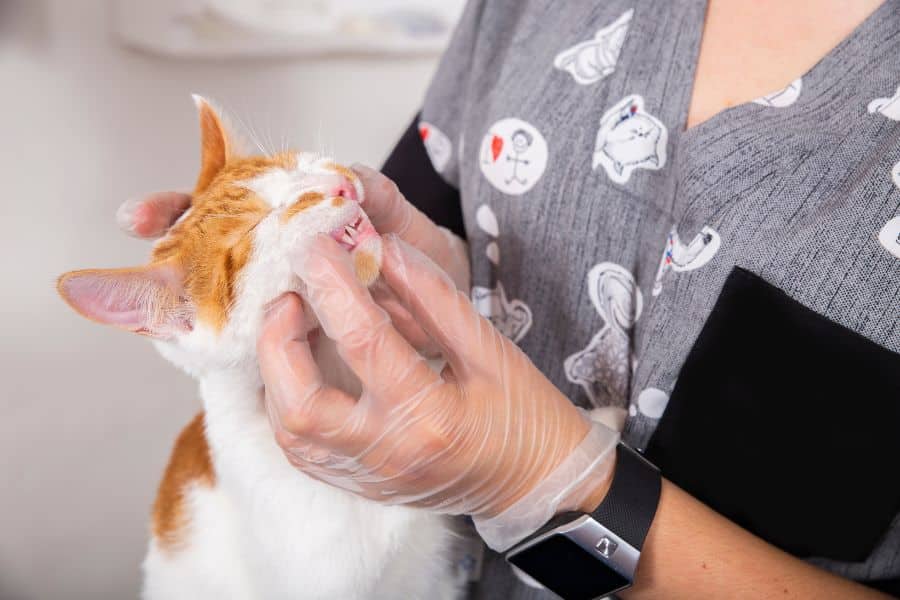
- Home Oral Examinations: Regularly inspect your pet’s mouth for signs of dental problems. Early detection can prevent serious issues.
- Early intervention: It is essential to start when they are young and get them comfortable with the process.
Incorporating these tips into your pet’s routine can help them maintain a healthy smile and a happy life. Regular veterinary checkups are essential for optimal dental health.
New Furry Friends Welcome.
Schedule a Same-Day or Next Day Visit!