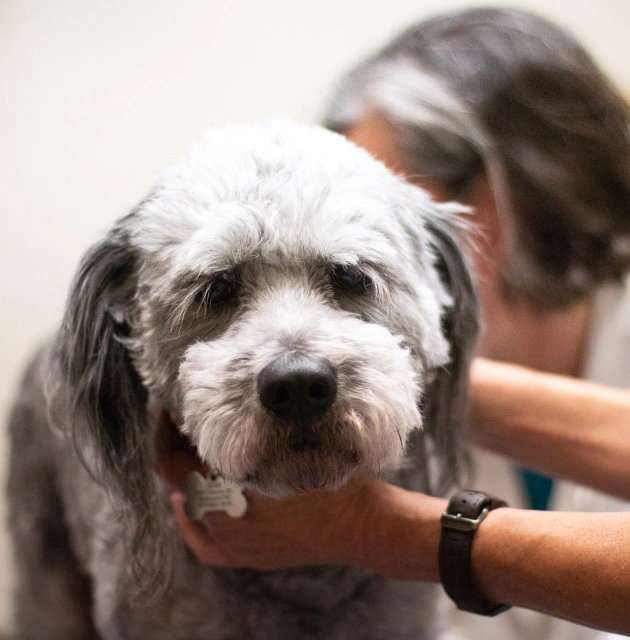
Caring for Your Pet Through Every Stage!
As our beloved pets grow older, their care needs evolve. If you're looking for a 'veterinarian near me', our dedicated veterinary team is here to assist in adjusting to the changing requirements of senior pets in Charlotte and Ballantyne, NC. Your pet's well-being is our priority every step of the way!
Senior Pet Care in Charlotte - Why It Matters
Ensuring proper care for our senior pets is essential for maintaining their health and well-being as they age. With advancing age, pets become more vulnerable to health issues, necessitating special attention to sustain their quality of life. Regular check-ups and screenings are invaluable in identifying and preventing potential health concerns, enabling early intervention and treatment.
When is My Dog or Cat Considered a Senior?
The age at which a pet is considered as a senior can vary based on factors like breed and size. Typically, cats and small dogs are considered seniors around 7 years old, while larger dogs reach senior status at approximately 5-6 years old. Consulting with our Charlotte veterinarians is essential to determine the appropriate timing for initiating senior pet care for your specific pet.
Understanding breed-specific life expectancy and genetic predispositions can further aid pet owners in preparing for their pet's senior years. Certain breeds may be predisposed to particular age-related conditions, necessitating closer monitoring as they age. Recognizing the transition into senior status empowers pet owners to adjust their home environment, routine, and healthcare to better accommodate the needs of their aging companions.
Signs of Aging in Pets
Several common indicators of aging in pets include:
- Reduced activity and energy levels
- Changes in appetite and weight
- Difficulty with mobility, such as walking or climbing stairs
- Altered sleep patterns
- Increased thirst and urination
- Changes in behavior and mood alterations in vision and hearing
- Dental problems
- Changes in the skin and coat
Moreover, cognitive changes like disorientation, modified interactions with family members, or shifts in bathroom habits may signify age-related cognitive dysfunction, akin to dementia in humans. It's important to discern these natural aging processes from signs of more severe illnesses that may require immediate medical attention.
If you observe any of these indicators in your pet, scheduling a visit with our veterinary team for a senior pet care screening is imperative.
Senior Pet Care Screenings in Charlotte
Senior pet care screenings typically encompass a range of tests and examinations that offer a comprehensive evaluation of your pet's health.
- Comprehensive Physical Examination: This thorough assessment involves examining your pet from head to tail, checking for any abnormalities such as lumps, bumps, or signs of discomfort.
- Bloodwork: Blood tests provide valuable insights into organ function and can identify conditions like anemia, infection, diabetes, and kidney or liver disease. Common tests include the Complete Blood Count (CBC) and Blood Chemistry Panel.
- Urinalysis: This test evaluates your pet's urine for signs of urinary tract infections, diabetes, dehydration, and kidney problems by analyzing its concentration, presence of blood or proteins, and may include a bacterial culture.
- Thyroid Function Tests: Particularly relevant for senior cats, these tests help detect thyroid issues such as hyperthyroidism or hypothyroidism by measuring thyroid hormone levels in the blood.
- Radiographs (x-rays) and Ultrasounds: These imaging techniques provide detailed views of bones, organs, and internal structures, aiding in the detection of arthritis, tumors, heart, and lung abnormalities.
- Eye Examinations: Senior pets are prone to eye conditions like cataracts and glaucoma, making comprehensive eye exams crucial for maintaining vision and comfort.
- Dental Evaluations: Often overlooked, dental health is vital for senior pets. Dental evaluations can identify gum disease, tooth loss, and oral tumors, ensuring optimal oral health.
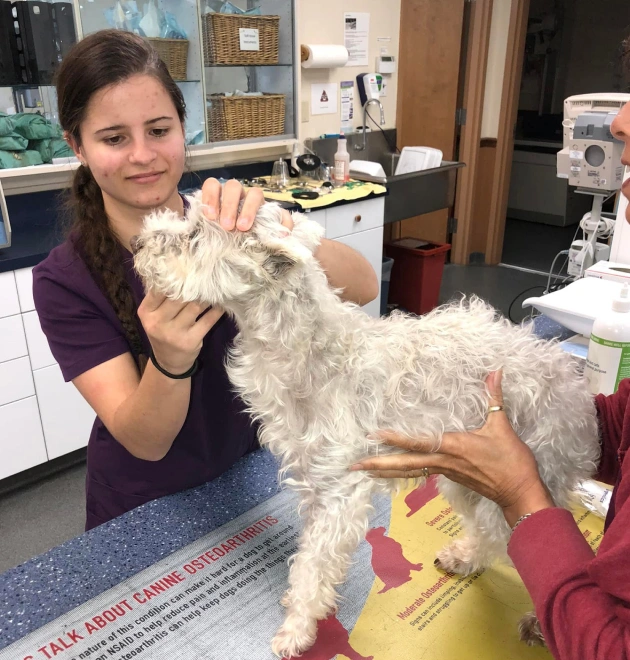
How Does Arthritis Affect Senior Dogs and Cats?
Arthritis, also referred to as osteoarthritis or degenerative joint disease, is a progressive ailment characterized by inflammation and degradation of one or more joints. This condition is common among senior dogs and cats, primarily stemming from the natural wear and tear on their joints over time.
What Causes Arthritis in Senior Dogs and Cats?
The primary cause of arthritis in senior pets is the natural aging process, which triggers the breakdown of cartilage within their joints. Cartilage serves as a protective cushion to prevent bones from rubbing against each other. With age, this cartilage can deteriorate, leading to painful bone-on-bone contact.
Additionally, genetics, obesity, injuries, and joint abnormalities are contributing factors to arthritis development. Certain breeds may be more susceptible to arthritis due to their size and genetic predispositions.
Impact of Arthritis on Senior Pets
Arthritis significantly impacts a pet's mobility and comfort levels. It often results in chronic pain, decreased mobility, and potential behavioral changes as pets adjust to discomfort. Reduced activity levels, weight gain from decreased exercise, and overall diminished quality of life can occur if arthritis is not effectively managed.
Symptoms of Arthritis in Senior Dogs and Cats
Detecting arthritis in senior pets can be challenging as they often endure discomfort silently. However, there are several signs that pet owners can observe:
- Limping or lameness: Pets may favor one leg or display stiffness, especially after rest.
- Difficulty moving: Pets might struggle with tasks like climbing stairs, jumping onto furniture, or entering/exiting the car.
- Behavioral changes: Look for increased irritability, reduced interest in play, or aversion to being touched in specific areas.
- Lethargy: A noticeable decrease in energy levels can indicate pain.
- Muscle atrophy: Lack of muscle use around affected joints can lead to muscle wasting.
Less Obvious Signs:
- Altered gait: Subtle changes in walking or running may suggest joint discomfort.
- Increased sleeping: Pets may sleep more to alleviate pain from movement.
- Licking, chewing, or biting: Focusing on sore areas can lead to skin irritation or hair loss.
Consulting with our Charlotte veterinary team is essential if you notice any of these symptoms. We can diagnose arthritis through physical examinations, medical history assessment, and imaging.
Managing Arthritis in Senior Pets
While arthritis cannot be cured, there are several strategies to alleviate symptoms and slow its progression:
- Seek guidance from our veterinary team
- Ensure your pet maintains a healthy weight
- Provide cozy bedding for comfort
- Adapt your home environment to accommodate your senior pet's needs
- Laser Therapy: Explore alternative therapies like laser therapy
- New Ostheoarthritis Injections: Discuss osteoarthritis injections such as Solensia for cats and Librela for dogs, powerful pain suppressants, with our Charlotte veterinarians
Senior Pet Care Tips
Senior pets require specialized care to address their changing needs compared to their younger counterparts. Here are essential considerations for pet owners:
- Regular Veterinary Check-Ups: Schedule routine veterinary check-ups to detect early signs of age-related diseases like arthritis, diabetes, or vision loss.
- Preventative Care: Maintain vaccinations, control parasites, and manage weight to prevent obesity and further health complications.
- Adjusted Diet and Nutrition: Provide a diet rich in essential nutrients while adjusting calorie intake to accommodate slowing metabolism.
- Supplements: Consider supplements like glucosamine, chondroitin for joint health, and omega-3 fatty acids for cognitive function and inflammation reduction.
- Comfortable Living Environment: Create a living space that caters to decreased mobility and increased need for comfort.
- Accessibility: Ensure easy access to favorite spots with ramps or steps for pets with arthritis or mobility issues.
- Exercise: Tailor exercise to your pet's abilities with gentle walks to maintain joint health and muscle tone.
- Mental Stimulation: Engage pets with simple games, new toys, or training sessions to keep their minds sharp.
- Grooming and Dental Care: Regular grooming and dental care are essential to prevent skin diseases and dental issues that can impact overall health.
- Love and Patience: Show love and patience as senior pets may move slower, have reduced senses, and require adjustment to changes in health and mobility.
New Furry Friends Welcome.
Schedule a Same-Day or Next Day Visit!