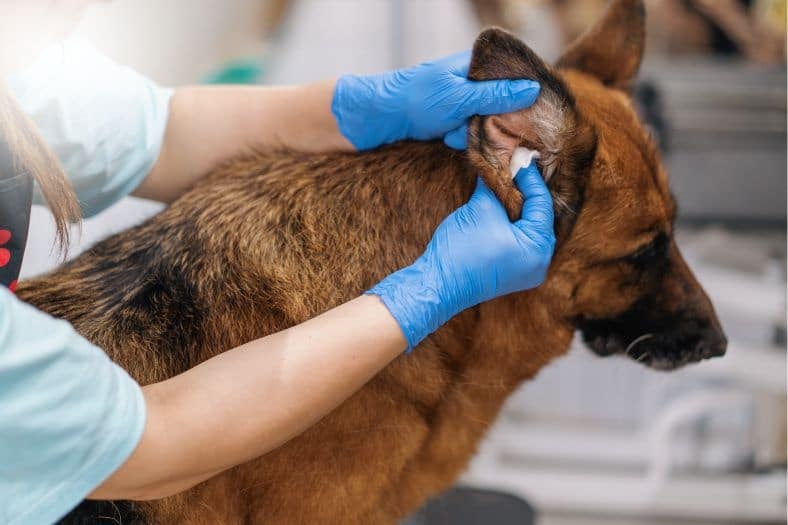
Dog Ear Infection Symptoms: Key Indicators That Require Urgent Veterinary Attention
By Rea Road Animal Hospital | November 4, 2026
Dog ear infections are among the most common reasons pet owners in Charlotte call a veterinarian. They often begin with mild itching and can progress quickly to pain, hearing problems, and balance issues when they are not treated. Knowing which symptoms are minor and which need urgent pet care can protect the comfort and long term health of your dog.
Read More
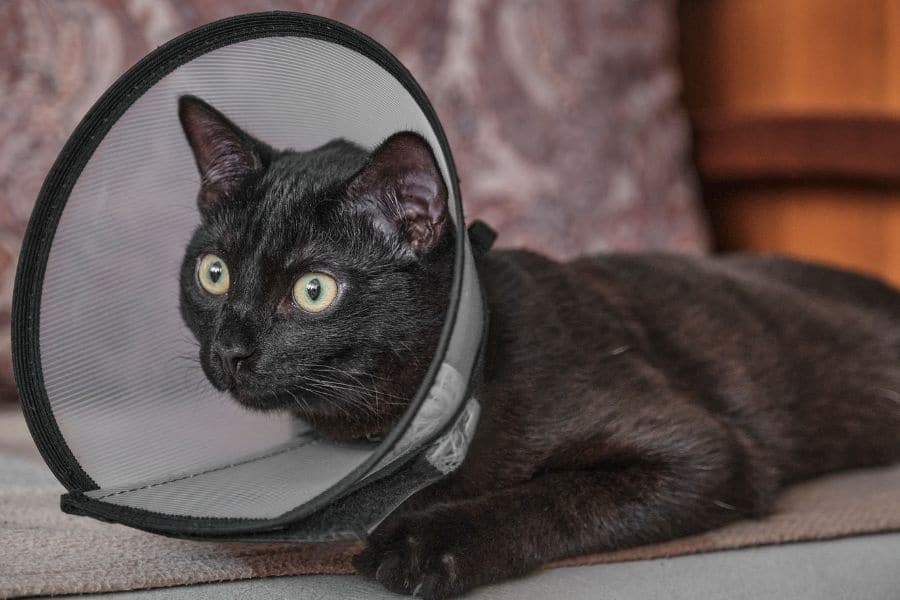
How Your Cat’s Age and Medical History Influence Surgical Planning
By Rea Road Animal Hospital | October 29, 2026
Cats can need surgery at different stages of life, from kittenhood through their senior years. However, the approach to each procedure depends on more than the condition being treated. A cat’s age, previous illnesses, current medications, and overall physical health all help veterinarians determine how to prepare for surgery and support recovery. For cat owners, understanding these factors can make
Read More

Sudden Weakness in Dogs and Cats: Common Causes and When to Seek Urgent Care
By Rea Road Animal Hospital | October 22, 2026
A playful dog suddenly refusing to stand or a normally active cat becoming unusually quiet can be alarming. Sudden weakness is not a condition by itself; it is a sign that something may be affecting a pet’s body. Urgent pet care can help identify the underlying problem quickly, particularly when weakness appears suddenly or is accompanied by other concerning changes.
Read More

Halloween Pumpkin Safety: Which Parts Can Dogs and Cats Eat?
By Rea Road Animal Hospital | October 14, 2026
As carved pumpkins appear on porches across Charlotte, many pet owners wonder whether a nibble is harmless or risky. The answer depends on which part of the pumpkin your pet gets and how it was prepared. This guide to Halloween Pumpkin Safety explains what dogs and cats can eat, what to skip, how to train your pet for Halloween so
Read More

Beyond the Mosquito Bite: Why Year-Round Heartworm Prevention is Non-Negotiable
By Rea Road Animal Hospital | October 6, 2026
If you’re a pet owner in Charlotte, you’ve probably heard of heartworm disease, but many people still believe it’s only a summer problem. In reality, year-round heartworm prevention is one of the most important parts of preventative pet care, and it’s far easier than most owners expect. This guide explains how heartworm spreads, what the warning signs look like, and
Read More

How to Distinguish Normal Aging From Early Cognitive Decline in Senior Pets
By Rea Road Animal Hospital | October 2, 2026
A gray muzzle and slower walks are a normal part of life for senior dogs and cats, but sudden confusion or personality changes can signal something more. Knowing the difference is a key part of senior pet care, and today’s pet diagnostics can help you find answers early. For pet owners in Charlotte, learning what to watch for is the
Read More

What Dog Owners Should Know About Soft Tissue Surgery
By Rea Road Animal Hospital | September 29, 2026
When people hear the term dog surgery, they may immediately think about procedures involving bones or joints. However, veterinary surgery also includes many procedures involving the skin, muscles, organs, blood vessels, and other soft tissues. Soft tissue surgery can address a wide range of health concerns in dogs. Depending on the condition, surgery may involve removing an abnormal growth, repairing
Read More
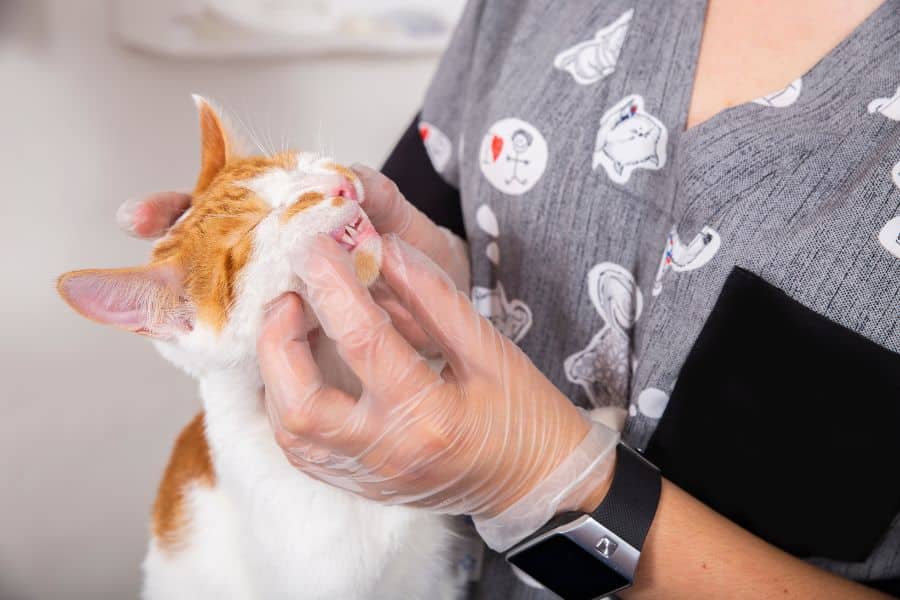
What Happens Below the Gumline During a Cat Dental Examination?
By Rea Road Animal Hospital | September 24, 2026
A cat’s mouth can look perfectly normal at first glance, yet important dental changes may be developing below the gumline. This is one reason a professional cat dental examination involves more than simply looking at the visible teeth. Areas hidden beneath the gums can contain plaque, tartar, inflammation, tooth damage, or other concerns that may not be obvious during a
Read More
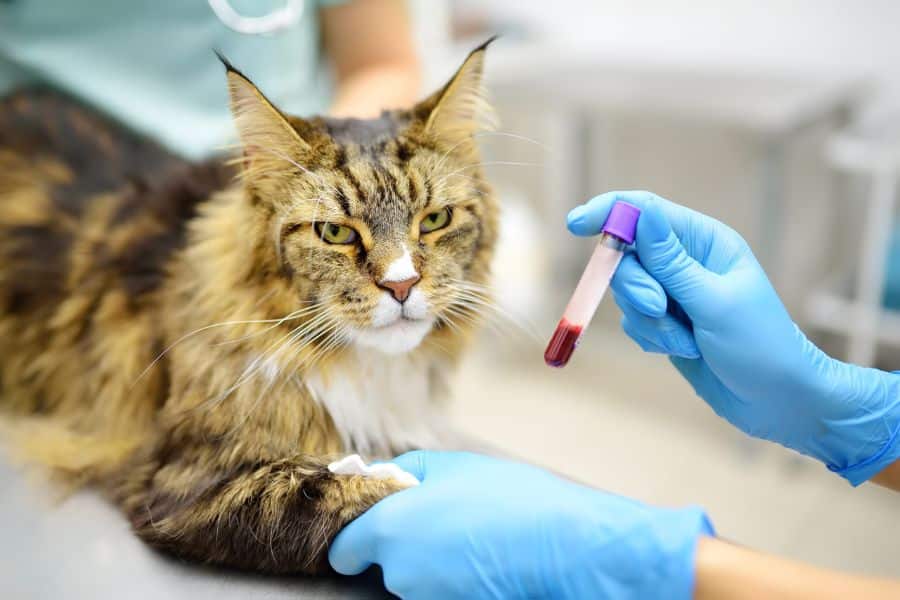
Bloodwork, X-Rays, or Ultrasound? How Vets Decide What Your Cat Needs
By Rea Road Animal Hospital | September 17, 2026
When a cat is not feeling well, determining what is happening is not always straightforward. Cats can hide subtle signs of illness, and symptoms such as reduced appetite, weight changes, vomiting, lethargy, or changes in behavior can have many possible causes. This is where cat diagnostic care becomes an important part of veterinary medicine. Bloodwork, X-rays, and ultrasound are three
Read More
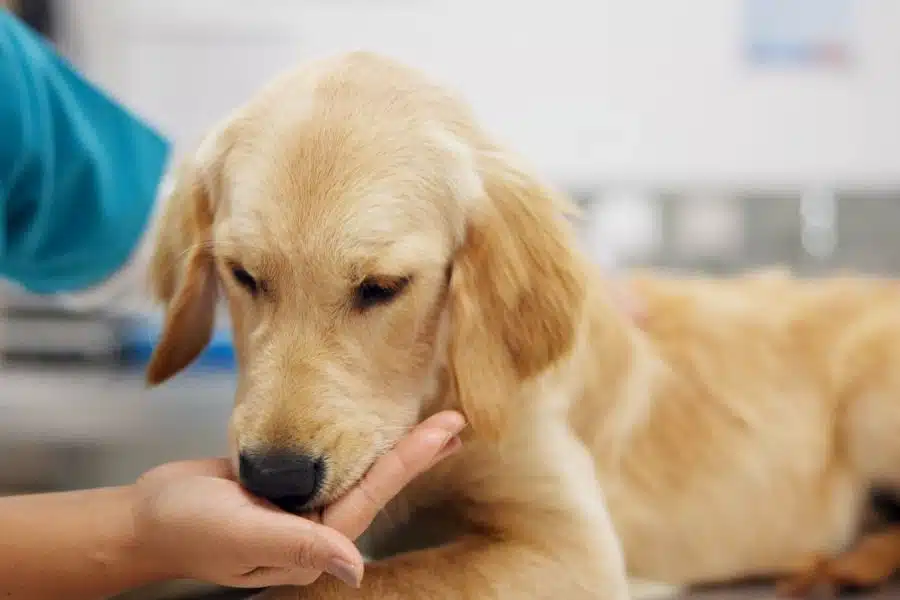
When a Minor Pet Injury Needs More Than Home Care
By Rea Road Animal Hospital | September 9, 2026
Active pets love to explore their surroundings, which means minor bumps, scrapes, and awkward landings are a routine part of life. Whether your dog misjudges a leap off the porch or your cat gets a claw caught in a favorite rug, small accidents happen in an instant. Most pet parents keep basic first aid supplies at home to manage tiny
Read More
New Furry Friends Welcome.
Schedule a Same-Day or Next Day Visit!