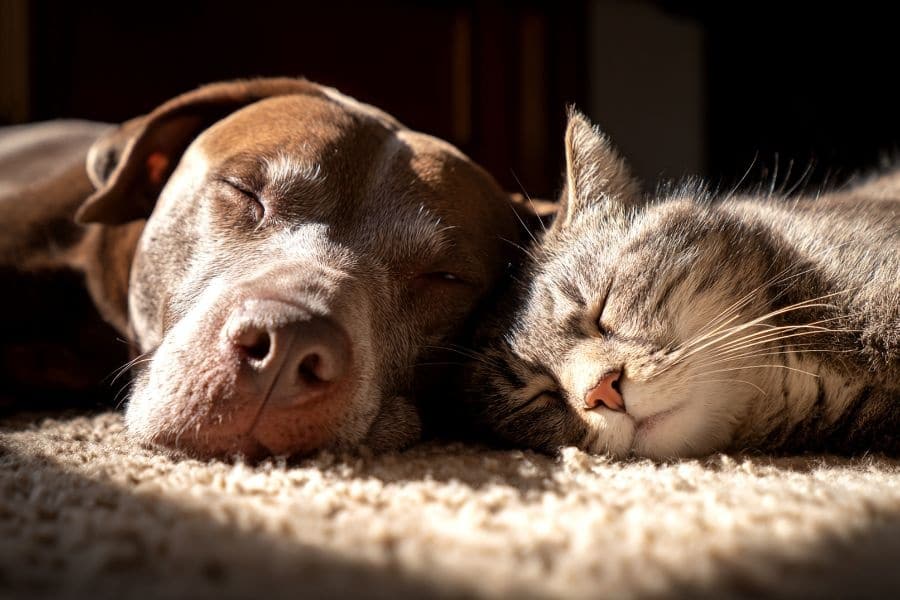
A gray muzzle and slower walks are a normal part of life for senior dogs and cats, but sudden confusion or personality changes can signal something more. Knowing the difference is a key part of senior pet care, and today’s pet diagnostics can help you find answers early. For pet owners in Charlotte, learning what to watch for is the first step toward keeping an aging companion comfortable and happy.
What Normal Aging Looks Like in Senior Pets
Pets age at different rates. Most dogs are considered seniors around age seven, and cats often reach that stage between ages seven and ten. Larger dog breeds tend to age faster than smaller ones. As your pet gets older, some gradual changes are completely expected.
You may notice your dog or cat sleeping more, tiring faster on walks, or taking a little longer to get up from a nap. Graying fur, slightly cloudy eyes, and mild stiffness in the morning are also common. Many senior pets become a bit less playful, but they still know their family, respond to their name, and follow familiar routines.
The key word is gradual. Normal aging usually moves slowly over months or years, and your pet remains recognizably themselves. They still find their food bowl, greet you at the door, and settle into their favorite spot without trouble.
A simple test is to ask whether a change can be explained by comfort or energy. A pet who avoids the stairs because their hips hurt is behaving differently from a pet who stands at the bottom of the stairs and seems unsure what to do next. The first points to a physical issue, while the second may suggest confusion.
Even “normal” changes deserve attention. If slowing down seems sudden or severe, it may be pain or illness rather than age. Arthritis, for example, is often mistaken for just getting old.
Early Signs of Cognitive Decline Your Pet May Show
Cognitive dysfunction in pets is similar in some ways to dementia in people. It affects memory, learning, and awareness, and it can begin quietly. Dogs are diagnosed more often, but cats can develop it too. Because the early signs are subtle, many families dismiss them as a normal part of getting older.
Watch for changes that go beyond ordinary slowing down:
- Getting lost in familiar rooms, staring at walls, or standing at the wrong side of a door
- Restless pacing or wandering at night, and sleeping more during the day
- Forgetting house training or litter box habits
- Less interest in greeting family or playing, or seeming unusually clingy and anxious
- Barking, howling, or meowing for no clear reason
One odd moment doesn’t mean your pet has cognitive decline. Look for patterns that continue for several weeks or become more frequent. Keeping a short journal or recording videos of unusual behavior can be very helpful when you talk with your veterinarian.
These changes also tend to progress, which is another reason early attention matters. Pets in the early stage often respond better to management strategies than pets whose symptoms have been building for years. Catching small changes early gives you more options.
Why Pet Diagnostics Matter for Senior Pets
Here is the tricky part: many conditions look like cognitive decline. Pain from arthritis, hearing or vision loss, kidney disease, thyroid problems, high blood pressure, urinary infections, and even brain tumors can all cause confusion, restlessness, or accidents in the house. Without testing, it’s very hard to know which one you’re dealing with.
This is where pet diagnostics make a real difference. A senior wellness visit often includes a full physical and neurological exam, bloodwork, urinalysis, and blood pressure checks. Depending on your pet’s symptoms, your veterinarian may also recommend imaging such as X-rays or ultrasound to look deeper.
Cognitive dysfunction is typically diagnosed by ruling out other causes first. A clear diagnosis can lead to the right treatment, whether that’s pain relief, medication for an underlying illness, or a plan to support brain health. Many treatable conditions are missed when owners assume it’s simply old age.
Routine screening is helpful even when your pet seems fine. Senior pets often hide discomfort, and baseline results give your vet something to compare against at future visits. Many veterinarians recommend senior exams every six months.
When you’re looking for a veterinarian in Charlotte for an older pet, choose a practice that offers diagnostic testing and takes time to explain the results. Clear answers mean less waiting and less worry for both of you.
Everyday Senior Pet Care Tips to Support Brain Health
While no routine can stop aging, good senior pet care can help your pet stay sharp and comfortable. Start with consistency. Keep feeding times, walks, and bedtime on a predictable schedule, since familiar patterns reduce anxiety for pets who feel confused.
Mental and physical activity matter, too. Short, gentle walks, puzzle feeders, sniffing games, and simple new tricks keep your pet’s mind engaged. For cats, window perches, low climbing shelves, and interactive toys offer similar benefits without overdoing it.
Make your home easier to navigate. Add night lights, non-slip rugs, ramps, and low-entry litter boxes, and avoid rearranging furniture. A nutritious senior diet, and in some cases veterinarian-approved supplements or brain-support foods, may also help. Always check with your vet before changing food or adding anything new.
Prepare for your visit by writing down what you’ve noticed, including when it happens, how often, and what seems to trigger it. Bring your pet’s medication list and a few short videos. These details help your veterinarian choose the right tests and avoid guesswork.
Finally, give your pet plenty of patience. A senior dog who has an accident or a cat who cries at night isn’t misbehaving. They may be feeling lost, and your calm reassurance goes a long way.
Conclusion: Don’t Wait to Ask About Changes
Telling normal aging from early cognitive decline comes down to watching for sudden, worsening, or persistent changes and acting on them early. Thoughtful senior pet care at home, paired with regular exams and pet diagnostics, gives your pet the best chance of enjoying comfortable golden years.
If you’ve noticed changes in your aging companion, the team at Rea Road Animal Hospital is here to help pet owners in Charlotte get clear answers and a care plan that fits their pet. Trust your instincts, because you know your pet best, and a conversation with your veterinarian can bring real peace of mind.
At Rea Road Animal Hospital in Charlotte, we are committed to helping senior pets live comfortable, confident lives. Schedule your pet’s visit today and give your pet the care they deserve.
Frequently Asked Questions
Q1. At what age do pets typically start showing signs of cognitive decline?
Ans: Signs most often appear after age 10 in dogs and after age 11 or 12 in cats, though some pets show subtle changes earlier. Every pet is different, so any new confusion or behavior change is worth mentioning to your vet at any age.
Q2. Is cognitive decline in pets treatable?
Ans: It can’t be cured, but it can often be managed. Your veterinarian may suggest diet changes, supplements, medication, environmental adjustments, and more mental enrichment to slow progression and improve your pet’s quality of life.
Q3. How can I tell if nighttime restlessness is cognitive decline or pain?
Ans: Pain-related restlessness often improves with comfort, such as a softer bed or pain relief, while cognitive restlessness often involves pacing, vocalizing, or seeming disoriented. Because the two can overlap, an exam is the best way to sort them out.
Q4. Where can I find pet diagnostics for my senior pet in Charlotte?
Ans: Look for a local animal hospital that offers senior wellness exams and in-house or partnered diagnostic testing. Ask what’s included, how results are shared, and how often your pet should be rechecked.
Q5. Is it safe to give my senior pet brain-health supplements?
Ans: Some supplements are designed to support aging brains, but quality and suitability vary. Always ask your veterinarian first so you can choose a safe option that won’t interfere with other medications or health conditions.
Related Articles

New Furry Friends Welcome.
Schedule a Same-Day or Next Day Visit!