Comprehensive Wellness
and Preventative Care
for Your Pet
Our Wellness & Preventative Care services prioritize health and happiness for the dogs and cats of Charlotte and Ballantyne, NC. If you're looking for a "vet near me” for routine check-ups, vaccinations, parasite control, and more, we ensure your furry companion stays healthy throughout their life. Trust our compassionate team to provide comprehensive care tailored to your pet's individual needs.
Preventative Care for Pets in Charlotte - Why it Matters
Preventive care for pets mirrors the routine check-ups humans have. It encompasses proactive measures aimed at averting diseases, identifying health concerns at their onset, and upholding overall animal well-being. This proactive approach can significantly enhance the quality and duration of your pet's life.
- Early Detection of Health Issues - By prioritizing preventive care, our veterinarians can detect diseases and health issues before they escalate, which not only reduces treatment expenses but also enhances effectiveness. Detecting problems early enables better management of chronic conditions and can sometimes determine whether your pet's life is saved.
- Cost-Effective Health Management - Embracing preventive care proves economical over time. Regular check-ups and prompt interventions are generally less costly than addressing advanced illnesses or resorting to emergency measures.
- Improved Quality of Life - Consistent care and early disease detection contribute to a superior quality of life for your pet. This translates to extended years of companionship and fewer limitations stemming from health complications.
Pet Wellness Exams in Charlotte
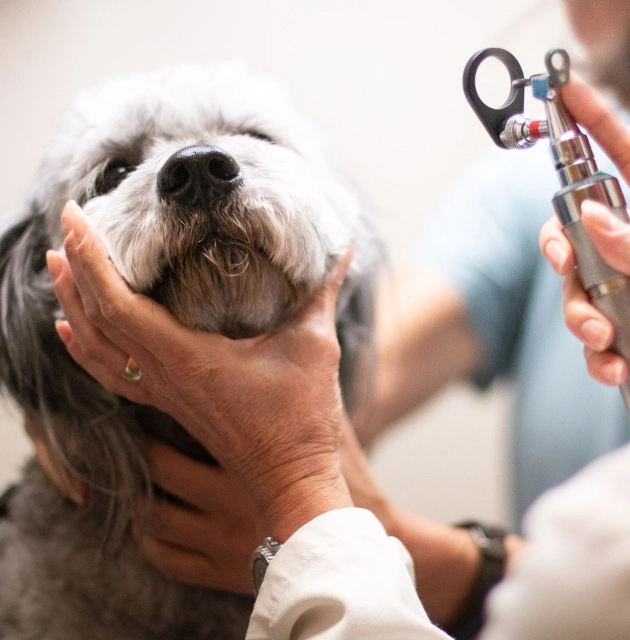
A pet wellness examination is a thorough assessment of your pet's general health, providing our Charlotte veterinarians with a comprehensive overview of their well-being. It entails a meticulous examination from head to tail.
Key Aspects of a Wellness Examination:
- Evaluation of weight and body condition
- Examination of the heart and lungs
- Checking the gums and mouth for any signs of disease or decay
- Inspection of the eyes, ears, skin and fur
- Palpation of the abdomen and lymph nodes
- Feeling joints and muscles
- Conducting blood tests and other diagnostics if deemed necessary
Frequency of Pet Wellness Examinations
The recommended frequency of wellness exams depends on factors such as your pet's age, breed, and overall health. In general, adult pets should have a wellness exam at least once a year, while puppies, kittens, and senior pets often require more frequent check-ups to monitor their growth, development, and age-related health concerns. Your veterinarian can provide personalized recommendations based on your pet’s specific needs.
Pet Vaccinations in Charlotte
Routine vaccinations are considered to be one of the first lines of defense against many potentially fatal diseases. Vaccines have revolutionized medicine and have saved millions of human and animal lives since their invention. Thanks to vaccines, some fatal diseases that used to be common are now rare. It is critical for pets to receive the core recommended injections to protect them against disease.
Core Vaccinations
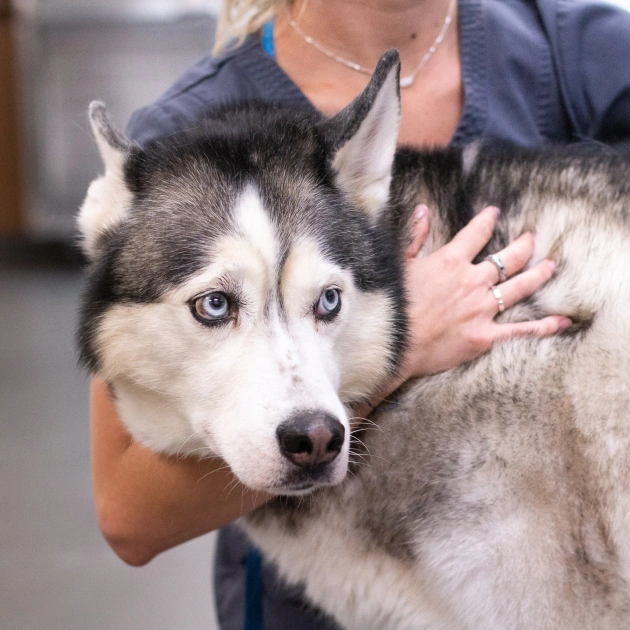
for Dogs:
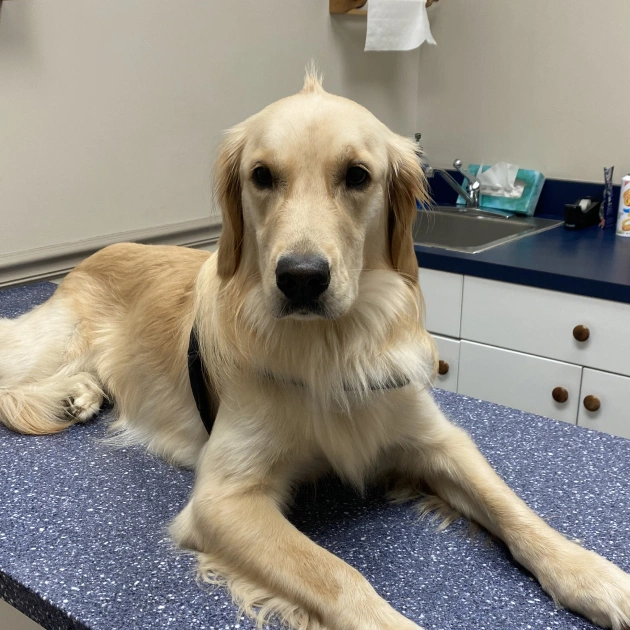
- Rabies
- DHPP (Distemper, Hepatitis, Parainfluenza, and Parvo)
- Bordetella (kennel cough)
- Leptospirosis
Core Vaccinations
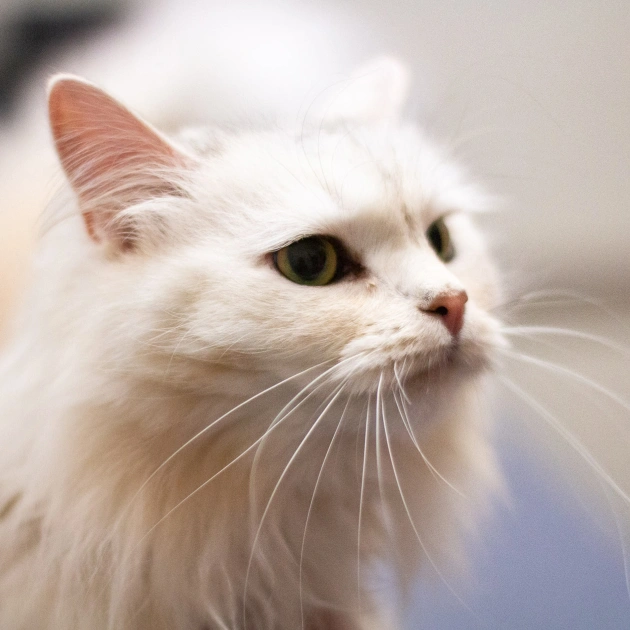
for Cats:
- Rabies
- FVRCP (Feline Viral Rhinotracheitis, Calicivirus, and Panleukopenia)
We also offer canine Distemper/Parvo titers in lieu of vaccines for dogs. It is important to note that while exposing the pet’s immune system to a safe and controlled dose of the particular threat, it does not actually make the animal sick. This allows them to be better prepared in the event of a disease outbreak, and will help to fight against it. Our team at Rea Road Animal Hospital takes extreme care and precaution when vaccinating pets under our care.
Parasite Control in Pets
Parasites such as fleas, ticks, and heartworms present significant health threats to pets. Our customized preventive strategies, which include monthly flea and tick preventatives and heartworm medication, provide essential protection for your pet. Our Charlotte veterinarians will evaluate your pet's lifestyle and exposure risks to suggest the most suitable parasite control methods. Routine fecal exams and parasite testing are conducted to promptly identify and treat any parasite infestations.
Fleas
Fleas are tiny wingless insects that feed on the blood of mammals and birds, posing a nuisance to pets and humans alike.
Symptoms:
- Persistent scratching, biting, or licking
- Presence of flea dirt (black specks) on the fur
- Reddish-brown specks on pet bedding or furniture
- Skin irritation, redness, or rash
- Hair loss or hot spots (areas of inflamed skin)
Ticks
Ticks are tiny insects which latch onto dogs and cats, and in addition to having a painful bite, are tough to remove and can carry dangerous diseases such as Lyme disease, Ehrlichiosis, Rocky Mountain spotted fever, and more.
Symptoms:
- Visible tick attached to the skin
- Skin irritation or redness at the bite site
- Lethargy or weakness
- Fever
- Joint pain or swelling
- In severe cases, paralysis or neurological symptoms
Roundworms
Long, spaghetti-like parasitic worms found in the intestines of infected animals.
Symptoms:
- Potbellied appearance in puppies or kittens
- Vomiting or diarrhea
- Weight loss or failure to thrive
- Presence of worms in feces or vomit
- Coughing (if larvae migrate to the lungs)
Whipworms
Thin, whip-like parasitic worms that inhabit the large intestine of infected animals.
Symptoms:
- Chronic diarrhea, which may contain mucus or blood
- Weight loss or anemia
- Dehydration
- Lethargy or weakness
- Abdominal pain or discomfort
Tapeworms
Flat, segmented parasitic worms that live in the intestines of infected animals.
Symptoms:
- Presence of small, rice-like segments near the anus or in feces
- Intense itching or irritation around the anus
- Occasional vomiting
- Weight loss or poor coat condition
Hookworms
Small, thin parasitic worms with hook-like mouthparts that attach to the intestinal lining.
Symptoms:
- Anemia (pale gums)
- Bloody or tarry stools
- Diarrhea
- Weakness or lethargy
- Poor appetite or weight loss
Coccidia
Single-celled parasites that infect the intestinal lining of animals.
Symptoms:
- Diarrhea, which may be watery or contain blood
- Dehydration
- Weight loss or failure to thrive
- Lethargy
- Occasionally, vomiting
Giardia
Protozoan parasites that infect the small intestine of animals, including humans.
Symptoms:
- Diarrhea, which may be explosive or foul-smelling
- Dehydration
- Weight loss or poor appetite
- Abdominal cramps or discomfort
- Occasionally, vomiting
Heartworms in Dogs & Cats
Heartworm disease is a very serious illness that can harm dogs and cats. It's caused by tiny worms called Dirofilaria immitis. If not treated, it can cause lung and heart problems, damage other organs, and even lead to death.
The disease spreads when an infected mosquito bites an animal. The mosquito takes in tiny baby worms called microfilariae from the animal's blood. Then, when the mosquito bites another animal, it passes these baby worms along. Once inside a new animal, these baby worms grow into adult heartworms. In dogs, these worms can live in the bloodstream for 5 to 7 years, while in cats, they usually survive for 2 to 3 years.
Symptoms of Heartworms in Dogs
Detecting heartworm disease in its early stages can be tough because some dogs may not display any symptoms at all. However, as the disease advances, signs may become more noticeable. Here are some typical symptoms to keep an eye out for in dogs:
Mild to Moderate Symptoms:
- Occasional coughing
- Reluctance to engage in exercise
- Tiredness following moderate activity
- Reduced appetite
Weight loss Severe Symptoms:
- Enlarged abdomen caused by fluid buildup
- Difficulty breathing
- Paleness in the gums
- Urine that is dark or bloody
- Sudden collapse
Symptoms of Heartworms in Cats
Cats are not the usual hosts for heartworms, so these parasites don't thrive as effectively in cats as they do in dogs. This makes detecting the disease more challenging, and even a small number of heartworms can pose significant risks for a cat. Symptoms in cats can range from subtle to severe and may include:
Mild to Moderate Symptoms:
- Occasional coughing or asthma-like episodes
- Periodic vomiting
- Loss of appetite
- Weight loss
Severe Symptoms:
- Difficulty walking
- Fainting spells or seizures
- Accumulation of fluid in the abdomen
- Sudden collapse or unexpected death
Heartworm Testing for Dogs & Cats in Charlotte
Heartworm testing in both dogs and cats typically involves a blood test and is essential for diagnosing and managing heartworm disease effectively. It is advised to test dogs and cats for heartworms annually, and testing is typically conducted before initiating or continuing any heartworm prevention treatment.

What is FIV & FeLV in Cats?
FIV and FeLV are serious diseases that weaken a cat's immune system, making them more prone to infections and health problems. These diseases only affect cats and cannot be passed to humans.
- FIV is similar to HIV in humans (but only affects cats). It weakens their immune system, making them vulnerable to other infections. It spreads mainly through deep bite wounds, where the virus is in the saliva of infected cats.
- FeLV is a virus that can cause anemia or lymphoma in cats. It spreads through close contact, like grooming or sharing food and water bowls. FeLV can also pass from mother to kitten during pregnancy or nursing.
Symptoms of FIV in Cats
FIV cats can remain symptom-free for years, but when symptoms do appear, they may include:
- Persistent fever
- Frequent infections
- Weight loss
- Dull coat
- Reduced appetite
- Lethargy
- Gum and mouth inflammation
- Diarrhea
- Seizures or changes in behavior
Cats with FIV may experience periods of good health before deteriorating due to secondary infections.
Symptoms of FeLV in Cats
The symptoms of FeLV can vary and may involve:
- Paleness in gums or jaundice
- Swollen lymph nodes
- Weight loss
- Reduced appetite
- Weakness and tiredness
- Difficulty breathing
- Digestive issues like diarrhea or constipation
- Reproductive problems in breeding cats
FIV and FeLV can have similar symptoms because they affect the immune system. It's crucial to remember that not all infected cats will display signs, especially in the initial stages of the diseases.
Testing Cats for FIV & FeLV in Charlotte
FIV and FeLV testing is performed using a blood sample. The blood is analyzed using specialized tests designed to detect antibodies or antigens associated with these viruses. These tests can provide accurate results within a short period, helping our veterinarians diagnose and manage these diseases effectively.
Pet Microchipping in Charlotte
Microchipping serves as a permanent identification method for pets, involving the insertion of a small chip, approximately the size of a grain of rice, under the animal's skin, typically positioned between the shoulder blades. This chip holds a unique identification number that can be read by a scanner.
How Microchipping Works
The microchipping procedure for pets is quick and relatively painless, resembling the administration of a vaccine. The chip is implanted using a hypodermic needle, with no need for anesthesia. The entire process takes just a few seconds and can be conveniently performed during a routine wellness visit.
Safety of Microchipping
Microchipping is considered safe, with minimal risks involved. The chips are designed to be bio-compatible, ensuring they won't cause allergic reactions or degrade over time.
Benefits of Microchipping Dogs and Cats
- Permanent Identification: Unlike collars and tags, which may get lost or become unreadable, microchips provide a permanent, tamper-proof form of identification.
- Increased Chance of Recovery: Microchipped pets have a higher likelihood of being reunited with their owners if lost or stolen, as most veterinary clinics and shelters possess scanners to detect microchips.
- Proof of Ownership: In cases of theft or ownership disputes, a microchip serves as legal proof of ownership, aiding in the rightful reclaiming of pets.
- Travel Convenience: Some countries mandate microchipping for pet entry, and certain accommodations may require it, streamlining travel arrangements for pet owners.
- Peace of Mind: Having a microchipped pet offers reassurance, ensuring a reliable means of identification and reunion in the event of loss or separation.
In addition to microchipping, we recommend using all forms of identification, including ID tags and pet collars, as the fear of being separated from a pet can be a terrifying thought.
Nutrition and Weight Management in Pets
Pets need a well-balanced diet packed with essential nutrients to thrive. It's crucial to provide them with high-quality pet food tailored to their individual dietary requirements, which can vary depending on factors like species, age, size, and activity level. Our Charlotte veterinarians will work with you to determine the optimal diet for your pet.
- Understanding Food Labels - When choosing pet food, carefully review the ingredient list and nutritional details. Look for high-quality proteins listed near the top of the ingredients. Avoid products containing excessive fillers, artificial preservatives, or by-products, as these can lead to weight gain and other health issues.
- Weight Monitoring - Regularly monitoring your pet's weight is vital for weight management. You should be able to feel your pet's ribs without a thick layer of fat covering them, and they should have a discernible waist when observed from above.
- Feeding Practices - Overfeeding is a common cause of obesity in pets. Be mindful of portion sizes and resist the temptation to indulge those pleading eyes begging for more food or treats.
- Meal Timing and Portion Control - Establish a consistent feeding routine and stick to it. Instead of leaving food available all day, opt for controlled, measured meals to prevent overeating and maintain a healthy weight.
- Exercise and Play - Physical activity is as crucial for pets as it is for humans. Regular exercise helps burn calories, alleviate boredom, and keep muscles toned.
- Tailored Activities - Tailor your pet's activities to their interests and abilities. Dogs may enjoy walks, runs, or playing fetch, while cats may prefer chasing toys or climbing cat trees.
- Health Check-Ups - Regular veterinary check-ups are essential for ensuring your pet's well-being and managing their weight effectively. Our Charlotte veterinarians can offer personalized advice on diet and exercise tailored to your pet's specific requirements.
New Furry Friends Welcome.
Schedule a Same-Day or Next Day Visit!