Comprehensive Pet Diagnostics
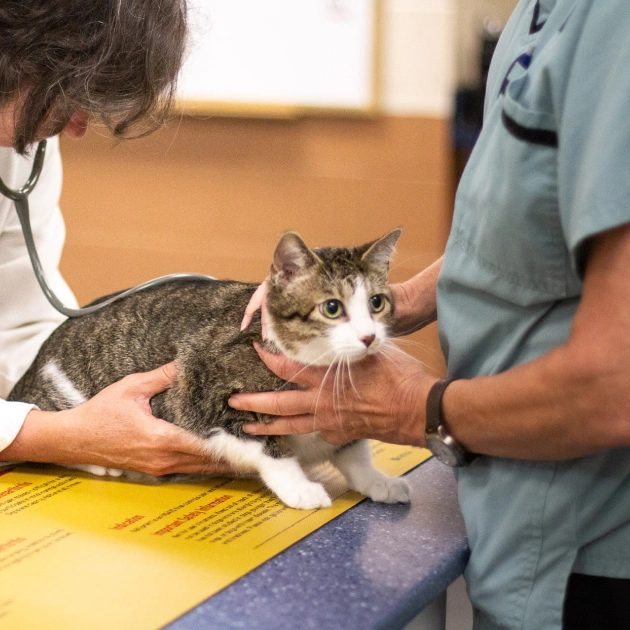
Our pet diagnostic care in Charlotte assists with the diagnosis of sick and injured pets, as well as confirming the health status of seemingly healthy pets. As a full-service animal hospital in Charlotte, we may recommend a variety of lab work, blood tests, and advanced imaging depending on the symptoms your pet presents.
When Does My Pet Need Diagnostic Testing?
Diagnostic testing helps us find the cause of your pet's symptoms and catch problems before they become serious. We may recommend pet diagnostics if your pet has:
- Vomiting, diarrhea, or a change in appetite or weight
- Limping or signs of pain
- Increased thirst or urination
- Itchy skin, ear problems, or repeated skin issues
- Lumps, swelling, or abdominal pain
Testing is also part of routine wellness exams, pre-anesthetic checks before surgery, and regular bloodwork for senior pets. If your pet is in distress, contact our urgent pet care team.
Looking for species-specific information? See our dog diagnostic care and cat diagnostic care pages.
X-Ray Diagnostics
At Rea Road Animal Hospital, we are proud to provide our patients with modern digital x-ray technology. X-rays are helpful for diagnosing conditions of the musculoskeletal system, such as structural abnormalities, bone fractures, tumors, and more.
Our hospital uses digital x-rays, which take significantly less time, meaning your pet is exposed to less radiation. Digital x-rays also help our veterinarians make accurate decisions because of the high-quality images they provide, and these images can easily be shared electronically with pet owners and specialists.
Even more important than the modern tools we use are the highly-trained professionals we have to decipher the x-ray images. By using the most advanced technology and expertise of our staff, we ensure our team is making the most scientific and accurate decisions to find solutions for your pet’s medical concerns. We also use dental X-rays as part of our pet dentistry services.
Ultrasound
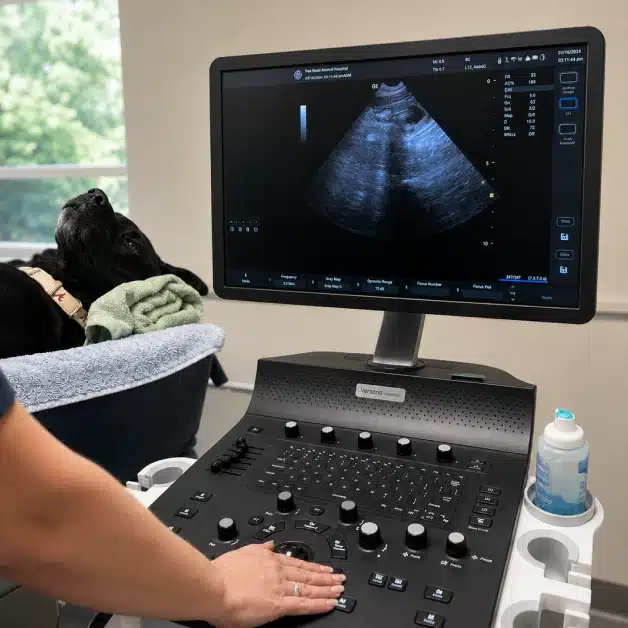
Pet ultrasound is a safe, non-invasive diagnostic tool that allows our veterinarians to evaluate your pet's internal organs in real time without surgery. Unlike X-rays, which primarily show bones and dense structures, ultrasound provides detailed images of soft tissues such as the liver, kidneys, spleen, bladder, intestines, heart, and reproductive organs. This makes it an invaluable tool for diagnosing a wide range of medical conditions in both dogs and cats.
We use advanced veterinary ultrasound technology to investigate symptoms such as vomiting, abdominal pain, unexplained weight loss, difficulty urinating, fluid buildup, and suspected internal masses. Ultrasound also helps us monitor ongoing medical conditions, guide treatment decisions, and recommend the most appropriate care for your pet.
A veterinary ultrasound may be recommended to evaluate:
- Liver, kidney, and bladder disease
- Gastrointestinal disorders and chronic vomiting
- Pancreatitis
- Abdominal masses or tumors
- Pregnancy and reproductive health
- Internal bleeding or fluid accumulation
- Enlarged lymph nodes
- Heart conditions (when indicated)
In-House Laboratory
At Rea Road Animal Hospital, we are proud to offer an in-house pet diagnostic laboratory for essential lab work, including Complete Blood Count (CBC), chemistry panels, and tests for Feline Leukemia (FeLV) and Feline Immunodeficiency Virus (FIV), among others. Our in-house capabilities allow us to provide faster results and closely monitor the testing process for accuracy. For more specialized or comprehensive diagnostics, we partner with a trusted referral laboratory to ensure your pet receives the most advanced testing and care available.
Common diagnostic tests our medical team may recommend include:
- Complete Blood Count (CBC)
- Fecal Ova and Parasite Test
- Urinalysis
- Heartworm
- Thyroid Function
- Blood Chemistry Panel
- Feline Leukemia (FeLV)
- Feline Immunodeficiency Virus (FIV)
Once we recommend diagnostic testing, our team will discuss in detail the reasons for the tests and will be happy to discuss any questions or concerns you may have. The following tests are helpful in giving our staff information that cannot be gained from a physical exam.
Blood Chemistry Panel: Series of tests created to provide information about a specific organ system such as the liver or kidneys.
Complete Blood Count: Counts the ratio of red and white blood cells in the bloodstream, and can help diagnose anemia, inflammation, infection, and blood clotting functions.
Thyroid Tests: A thyroid gland controls metabolism and energy. Thyroid disorders are common among senior pets, and will be detected from a thyroid test.
Electrolytes Testing: Electrolytes testing helps diagnose dehydration and provides helpful information about vital salts in the body.
Urinalysis: A test performed on a urine sample, a urinalysis can determine kidney problems and urinary tract infections. This is considered a routine test for pets.
Fecal Tests: Fecal tests are primarily used to check for intestinal parasites such as roundworms, hookworms, tapeworms, and whipworms. We recommend bringing a fresh stool sample with you to your pet’s annual check-up, so we can ensure your pet is free of intestinal parasites.
Allergy & Dermatology
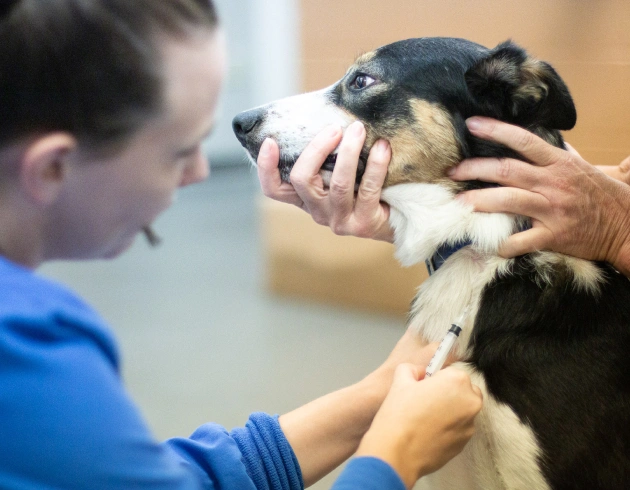
Allergies and dermatological issues can make your pet feel miserable, irritated, and uncomfortable without treatment. Our highly experienced team at Rea Road Animal Hospital in Charlotte is clinically trained in the diagnosis of dermatological conditions that may affect your pets’ coat, skin, ears, eyes, and feet. Unfortunately, many chronic issues require long-term treatment, therefore having a communicative and comfortable relationship with your veterinarian is important.
Our goal is to accurately diagnose the allergen or dermatological issue, and provide relief to your pet. We must first find the cause of irritation by conducting a physical exam on the pet. In addition, we may need more information from the owner, blood tests, or a combination of these options.
Some signs that may indicate your pet is suffering from a dermatological condition include:
- Biting or licking the skin
- Regular itching and scratching
- Red or watery eyes
- Unusual irritability or aggression
- Flaking skin or rashes
- Seeking more or less human attention than normal
Endoscopy
Endoscopy is a minimally invasive procedure which accesses your pet’s gastrointestinal tract in order to diagnose conditions such as gastrointestinal lymphoma, cancers, inflammatory bowel disease (IBD), foreign body ingestion, and more. The endoscope is a flexible tube with a camera attached allowing the veterinarian to observe the condition of esophagus, stomach, and intestines. The endoscope is also capable of taking a biopsy which helps in further diagnosing GI tract issues.
A great alternative to surgery, the benefits of endoscopies include less pain and recovery time, no incisions, and less anesthesia used. Many times, the use of an endoscope can eliminate the need for surgery entirely. To prepare your pet for endoscopy, we recommend fasting for 12-36 hours (depending on the procedure) so that food is not blocking the endoscope. Your veterinarian will be able to provide an accurate time frame based on the case.
Once the endoscopy procedure is completed, your pet will have no incisions but may experience some discomfort. We recommend keeping your pet as comfortable as you can with plenty of rest in a familiar setting until they feel better.
New Furry Friends Welcome.
Schedule a Same-Day or Next Day Visit!