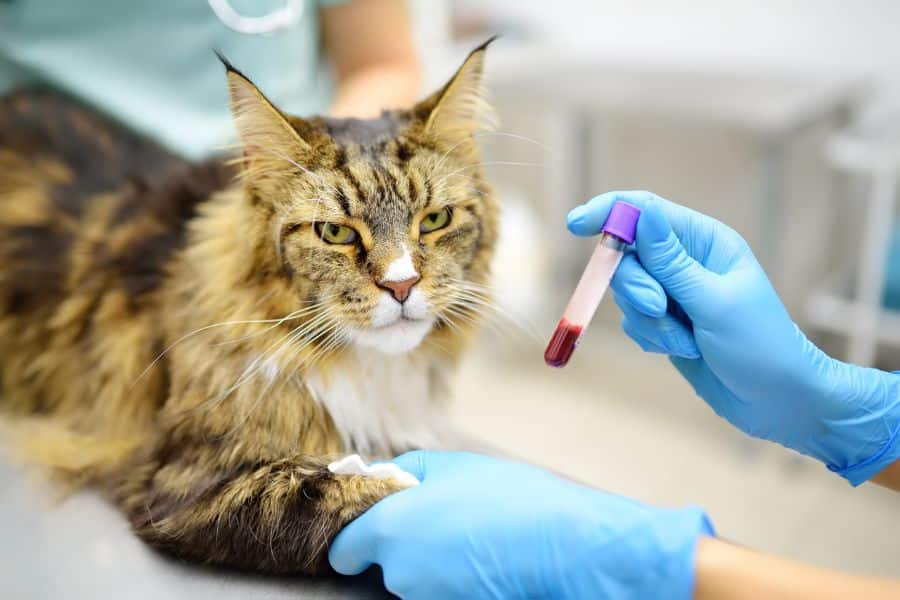
When a cat is not feeling well, determining what is happening is not always straightforward. Cats can hide subtle signs of illness, and symptoms such as reduced appetite, weight changes, vomiting, lethargy, or changes in behavior can have many possible causes. This is where cat diagnostic care becomes an important part of veterinary medicine.
Bloodwork, X-rays, and ultrasound are three commonly used diagnostic tools, but they do not all provide the same type of information. Your veterinarian chooses a diagnostic test based on your cat’s symptoms, physical examination findings, medical history, age, and overall condition.
For cat owners in Charlotte, understanding how veterinarians approach diagnostic testing can make the process feel more understandable. At Rea Road Animal Hospital, your veterinary team can evaluate your cat and determine which diagnostic approach may provide the most useful information.
Why Cats May Need Diagnostic Testing
A physical examination provides valuable information about your cat, including their weight, body condition, heart and breathing patterns, abdomen, skin, eyes, ears, and overall behavior. However, some health problems cannot be identified through an examination alone.
Diagnostic testing can provide additional information about what is happening inside the body.
For example, bloodwork can provide information about organ function and blood cell levels. X-rays can help veterinarians examine bones and certain internal structures. Ultrasound can provide detailed images of soft tissues and internal organs.
The goal is not simply to perform as many tests as possible. Effective cat diagnostic care focuses on selecting tests that are appropriate for the individual cat and the concerns being investigated.
When Bloodwork May Be Recommended
Bloodwork is often useful when a veterinarian wants information about what is happening at a cellular or chemical level.
A complete blood count can provide information about red blood cells, white blood cells, and platelets. Other blood tests can provide information about organs and metabolic processes.
Your veterinarian may consider bloodwork when a cat has unexplained changes such as decreased appetite, weight loss, increased thirst, changes in energy, or digestive concerns. Bloodwork may also be considered before certain procedures to help evaluate a cat’s general health.
One advantage of bloodwork is that it can reveal changes that may not be obvious from outward appearance. A cat may look relatively normal while laboratory results show that further investigation is appropriate.
When X-Rays Can Be Helpful
X-rays use imaging to create pictures of structures inside the body. They are particularly useful for evaluating bones and can also provide information about areas such as the chest and abdomen.
If a cat has experienced an injury, has difficulty moving, or shows signs that could be associated with a bone or joint problem, X-rays may be considered.
Chest X-rays can also help veterinarians evaluate certain changes involving the lungs and heart area. Abdominal X-rays may provide useful information about the position, size, or appearance of certain structures.
However, X-rays do not show every type of tissue with the same level of detail. Depending on the concern, another diagnostic method may provide additional information.
When Ultrasound May Be the Better Choice
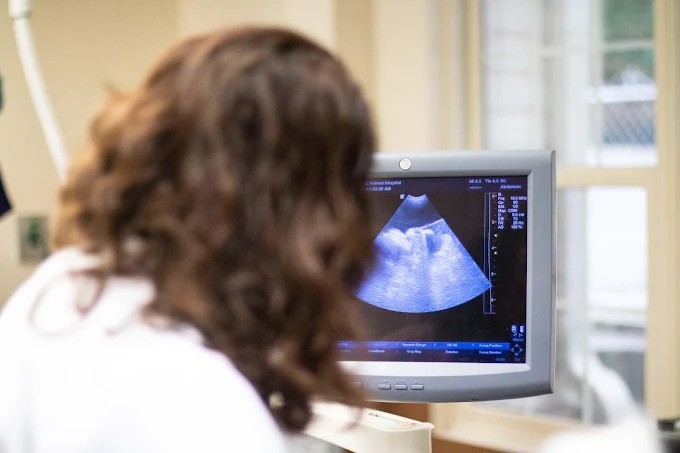
Ultrasound uses sound waves to create real-time images of internal structures. It can provide detailed views of many soft tissues and organs.
For cats with certain abdominal concerns, ultrasound may help a veterinarian evaluate structures such as the liver, kidneys, digestive tract, bladder, or other internal areas.
One important benefit of ultrasound is that it can show internal structures in ways that complement X-ray images. It can also allow veterinarians to observe certain structures and movements in real time.
The decision to use ultrasound depends on the symptoms and information your veterinarian is seeking. In some cases, ultrasound may be recommended after an initial examination or other diagnostic testing suggests that additional imaging would be useful.
Bloodwork vs X-Rays vs Ultrasound
Each diagnostic tool answers different questions.
Bloodwork focuses primarily on information found in the blood and can provide insight into blood cells, organ function, and other internal processes.
X-rays provide images that can help evaluate bones and certain structures within the chest or abdomen.
Ultrasound provides detailed imaging of many soft tissues and organs and can complement information obtained from X-rays or laboratory testing.
This means there is no single diagnostic test that is right for every cat. A veterinarian may recommend one test or a combination of tests depending on what they learn during the examination.
How Your Cat’s Symptoms Influence Testing
The symptoms your cat is experiencing are an important part of the diagnostic decision.
For example, a cat with unexplained weight loss may benefit from laboratory testing, while a cat with a possible injury may need imaging. A cat showing digestive symptoms may require a different diagnostic approach depending on the duration and nature of those symptoms.
Your veterinarian will consider questions such as when the problem began, whether it is getting worse, changes in appetite or drinking, changes in litter box habits, and whether your cat’s behavior has changed.
Providing accurate information about what you have noticed at home can help your veterinarian select appropriate diagnostic tests.
Why Multiple Diagnostic Tests May Be Needed
Sometimes one test provides useful information but does not answer every question.
For instance, bloodwork may indicate that further evaluation of an organ is warranted, while imaging can provide additional information about its appearance. Likewise, an X-ray may identify an area that needs a more detailed examination with another diagnostic method.
Using complementary tests can help veterinarians build a clearer picture of a cat’s health.
This step-by-step approach is an important part of cat diagnostic care because the objective is to gather meaningful information rather than rely on one test alone.
The Role of Your Cat’s Medical History
Your cat’s medical history can influence diagnostic decisions just as much as current symptoms.
Age, previous health concerns, medications, changes in weight, appetite, activity, and earlier diagnostic results can all provide useful context.
If your cat has experienced similar symptoms before, tell your veterinarian. It can also help to bring a list of current medications and notes about changes you have observed at home.
For Charlotte cat owners, maintaining an ongoing relationship with a veterinary team can make it easier to compare current findings with previous health information.
What Happens After Diagnostic Testing?
Diagnostic testing is only one part of the veterinary process. Once results are available, your veterinarian reviews them alongside the physical examination and your cat’s history.
Depending on the findings, your veterinarian may recommend monitoring, additional testing, treatment, dietary adjustments, or follow-up evaluation.
It is important to ask questions if you are unsure why a particular test has been recommended. Understanding what the test is intended to evaluate can help you feel more involved in your cat’s care.
At Rea Road Animal Hospital, discussing your cat’s symptoms and diagnostic options with the veterinary team can help you understand the next steps for your pet.
Supporting Better Cat Diagnostic Care in Charlotte
Cats can develop health problems without showing obvious signs at first. Paying attention to changes in appetite, weight, activity, behavior, drinking, and litter box habits can help you provide your veterinarian with useful information.
When your cat needs additional evaluation, bloodwork, X-rays, ultrasound, or a combination of diagnostic methods may help uncover information that a physical examination alone cannot provide.
The right diagnostic approach depends on your individual cat. By working with your veterinarian and sharing detailed observations, you can help create a thoughtful plan focused on understanding your cat’s health.
Schedule an Online Appointment With Rea Road Animal Hospital
Have you noticed unusual changes in your cat’s appetite, weight, activity, behavior, or daily routine? Book an online appointment with Rea Road Animal Hospital in Charlotte.
A veterinary consultation can help you discuss your concerns and determine whether diagnostic testing may be appropriate for your cat. Early attention to changing health patterns can provide useful information for ongoing care.
Frequently Asked Questions
Q1. How does a veterinarian decide whether my cat needs bloodwork or imaging?
Ans: Your veterinarian considers your cat’s symptoms, physical examination, medical history, age, and overall condition. These factors help determine which test may provide the most useful information.
Q2. Can bloodwork detect problems that an X-ray cannot?
Ans: Yes. Bloodwork evaluates information such as blood cell levels and certain aspects of organ function, while X-rays provide images of internal structures. The tests answer different diagnostic questions.
Q3. What can an ultrasound show in a cat?
Ans: Ultrasound can provide detailed images of many soft tissues and internal organs. Depending on the situation, it may help veterinarians evaluate areas such as the abdomen and digestive or urinary structures.
Q4. Will my cat always need more than one diagnostic test?
Ans: No. Some concerns may be evaluated with one appropriate test, while other situations require multiple tests to develop a clearer understanding of the problem.
Q5. What should I tell my veterinarian before my cat has diagnostic testing?
Ans: Share details about changes in appetite, weight, behavior, activity, drinking, litter box habits, medications, and when the symptoms began. These observations can help guide the diagnostic process.

New Furry Friends Welcome.
Schedule a Same-Day or Next Day Visit!