
As a responsible pet owner, you want the best for your furry friend. Regular check-ups, a healthy diet, and exercise are all crucial—but what happens when something isn’t quite right? Pets can’t tell us how they feel, and early symptoms often go unnoticed. That’s where advanced diagnostics step in, playing a vital role in identifying health issues before they become serious.
In this post, we’ll explore why advanced diagnostics are not just helpful but essential for your pet’s well-being. From early detection to personalized treatment plans, discover how these tools can make all the difference.
Early Detection Saves Lives
First and foremost, advanced diagnostic tools help detect diseases early, often before any visible symptoms appear. Whether it’s cancer, kidney disease, or diabetes, early diagnosis increases the chances of successful treatment. Just like in human medicine, catching a condition in its initial stages can mean the difference between a minor issue and a life-threatening problem.
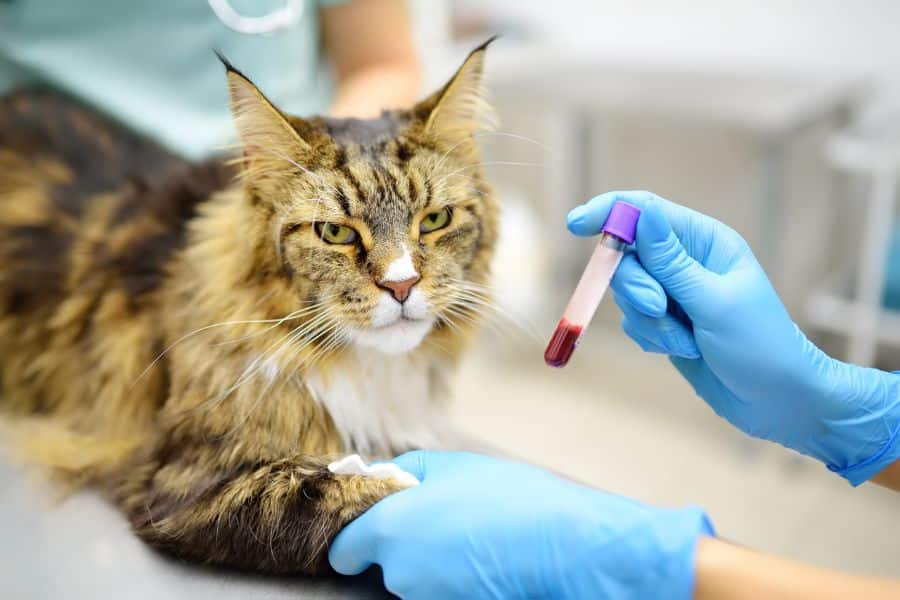
Take, for example, blood tests and urinalysis. These can reveal imbalances or abnormalities that would otherwise go unnoticed. With prompt results, your vet can take immediate action and prevent the condition from worsening.
Tailored and Accurate Treatment Plans
Once a diagnosis is confirmed, the next step is creating a treatment plan. With the help of advanced diagnostics such as ultrasound, digital X-rays, endoscopy, and lab testing, veterinarians can better understand the extent of the issue.
Moreover, precision matters. A correct diagnosis ensures your pet receives the right treatment at the right time, reducing the risk of complications. For chronic conditions like arthritis or heart disease, ongoing monitoring through diagnostic imaging and blood work helps your vet fine-tune medications and lifestyle adjustments.
Minimally Invasive and Stress-Free Options
Gone are the days when diagnosing a pet involved invasive procedures and long recovery times. Today’s diagnostics offer minimally invasive solutions that are safer and more comfortable for pets. Techniques like digital radiography and ultrasound can provide detailed internal images without the need for surgery.
Additionally, many modern tests are quicker and less stressful, reducing the anxiety that pets often feel during vet visits. This makes the experience easier for both your pet and you.
Peace of Mind for Pet Owners
Another major benefit of advanced diagnostics is the peace of mind they offer. When your pet shows signs of discomfort or unusual behavior, not knowing the cause can be stressful. With access to accurate and timely diagnostic results, you can feel confident knowing exactly what’s going on.
Furthermore, advanced diagnostics help you make informed decisions about your pet’s care. Whether it’s choosing a treatment plan, deciding on surgery, or evaluating quality of life, having a clear picture makes all the difference.
Supporting Preventive Care
Preventive care goes beyond vaccinations and flea control. Advanced diagnostics help create a baseline for your pet’s health. By comparing results over time, veterinarians can detect subtle changes that may indicate the beginning of a disease. This proactive approach helps avoid emergency situations and keeps your pet healthier in the long run.
Many pets age faster than humans, and health issues can progress rapidly. Diagnostic screening, especially for senior pets, is essential in managing age-related conditions before they become severe.
In conclusion, advanced diagnostics play a vital role in ensuring your pet lives a longer, healthier life. From early disease detection to monitoring chronic conditions, these tools provide the critical insights needed for personalized care. At Rea Road Animal Hospital, we proudly offer a comprehensive range of diagnostic services, combining compassionate care with cutting-edge technology.
If you’re looking for trusted pet diagnostics in Charlotte, NC, our experienced team is here to help. Contact us today to schedule your pet’s wellness exam or diagnostic screening—because proactive care is the best care.
FAQs
Q1. What types of diagnostic tests are available for pets?
Ans. Common tests include blood work, X-rays, ultrasounds, urinalysis, fecal exams, and more specialized tools like endoscopy and CT scans.
Q2. Are advanced diagnostics safe for pets?
Ans. Yes. Modern diagnostic procedures are designed to be safe, minimally invasive, and stress-free for pets of all ages.
Q3. How often should my pet have diagnostic testing?
Ans. Annual check-ups usually include basic diagnostics. Senior pets or those with chronic conditions may need more frequent monitoring.
Q4. Can diagnostics detect cancer in pets?
Ans. Yes. Advanced imaging and lab tests can detect tumors, abnormal cells, and other signs of cancer early, improving treatment outcomes.
Q5. Will insurance cover diagnostic tests?
Ans. Many pet insurance plans cover diagnostics, especially if they are part of a recommended treatment plan. It’s best to check with your provider.
Q6. How long does it take to get test results?
Ans. Some tests, like blood work, can provide results within minutes. Others, such as biopsies, may take a few days depending on the complexity.

New Furry Friends Welcome.
Schedule a Same-Day or Next Day Visit!