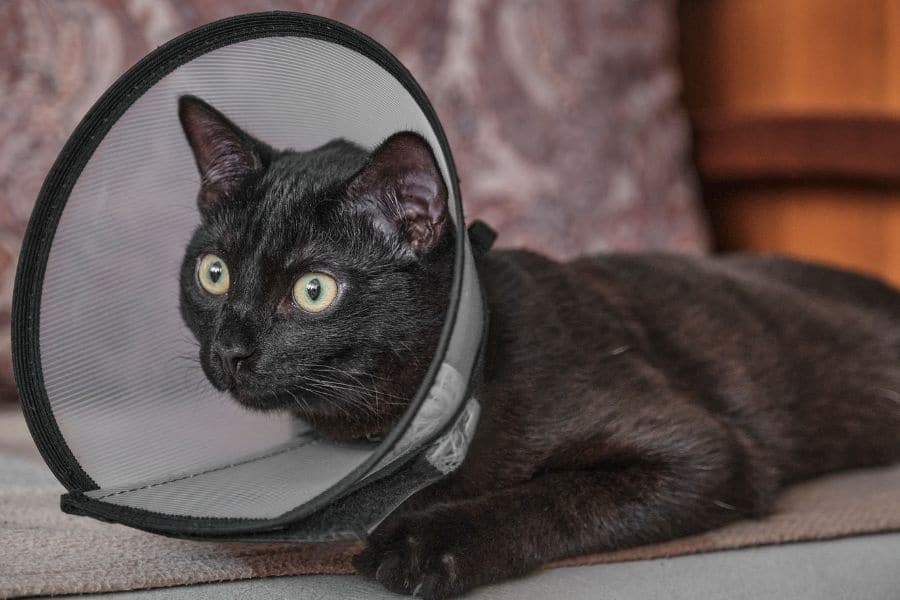
Cats can need surgery at different stages of life, from kittenhood through their senior years. However, the approach to each procedure depends on more than the condition being treated. A cat’s age, previous illnesses, current medications, and overall physical health all help veterinarians determine how to prepare for surgery and support recovery.
For cat owners, understanding these factors can make the process less confusing and help them participate in informed decisions about their pet’s care. At Rea Road Animal Hospital in Charlotte, individualized surgical planning considers the needs of each patient rather than relying on a single approach for every cat. Whether a procedure is planned to address an injury, remove abnormal tissue, or treat another medical condition, careful evaluation helps guide appropriate veterinary surgery.
Why Age Matters When Planning Cat Surgery
A cat’s age provides useful information about its changing health needs, but age alone does not determine whether surgery is appropriate. Young cats, adult cats, and senior cats may have different considerations during preoperative assessment, anesthesia, and recovery.
Kittens are still developing and may require adjustments based on their size, maturity, and nutritional status. Their small bodies can make temperature regulation and medication calculations particularly important. Veterinarians consider these factors when determining the safest approach for an individual kitten.
Adult cats may have fewer age-related concerns, but their medical history and current condition remain essential. A healthy adult cat may tolerate a procedure differently from a cat of the same age with an underlying illness.
Senior cats deserve especially careful evaluation because age-related changes can affect the heart, kidneys, liver, and other body systems. Nevertheless, older age does not automatically rule out surgery. A veterinarian assesses the cat’s functional health, the expected benefits of treatment, and the risks associated with delaying or avoiding the procedure.
How Medical History Shapes Surgical Decisions
A cat’s medical history helps veterinarians identify conditions that could influence the surgical approach. Previous illnesses, earlier procedures, medication reactions, and ongoing health concerns can all affect the preparation process.
For example, a cat with a history of kidney disease may need additional assessment to understand kidney function and hydration status. A cat with a known heart condition may require further evaluation before anesthesia. Previous reactions to medications can also influence which drugs the veterinary team considers.
Chronic conditions such as diabetes, respiratory disease, or thyroid disorders may require special management before and after a procedure. The veterinarian may recommend additional tests, adjustments to existing treatment, or closer monitoring, depending on the condition.
Pet owners should share as much relevant information as possible, including records from other veterinary practices. Even conditions that appear unrelated to the planned procedure may affect anesthesia, pain management, or healing.
The Role of Preoperative Examinations and Testing
A physical examination helps the veterinarian assess the cat’s current condition before making surgical recommendations. The examination may include checking the heart and lungs, evaluating hydration, assessing body condition, and reviewing any symptoms that could influence treatment.
Blood testing may be recommended to evaluate red blood cells, white blood cells, platelets, kidney function, liver-related measurements, and other indicators of health. The exact tests depend on the cat’s age, medical history, examination findings, and planned procedure.
Some cats may benefit from additional diagnostic testing, such as blood pressure measurement, urinalysis, imaging, or cardiac evaluation. These tests are not necessary for every patient. Instead, the veterinary team selects them when the information could help guide clinical decisions.
Preoperative testing does not eliminate every possible risk. However, it can reveal concerns that may change the timing of surgery, the anesthetic plan, or the level of monitoring required.
How Existing Health Conditions Affect Anesthesia
Anesthesia allows many surgical procedures to be performed while a cat remains unconscious and does not experience the procedure in the usual way. Its administration and monitoring require careful consideration of the patient’s health.
Conditions affecting the heart, lungs, kidneys, or liver can influence how a cat responds to anesthetic medications. Dehydration, anemia, and certain metabolic disorders may also require attention before surgery proceeds.
The veterinary team uses the available medical information to select an appropriate anesthetic approach and monitoring plan. Depending on the patient, monitoring may include heart rate, breathing, oxygen levels, blood pressure, and body temperature.
For senior cats or those with complex medical histories, the veterinarian may recommend additional precautions. These might include treating a manageable health concern before proceeding or arranging closer observation during recovery.
Owners should follow all instructions about food, water, and regular medications before surgery. Cats with diabetes or other conditions may need specific feeding or medication guidance, so do not make independent changes without speaking with the veterinary team.
Why Medication and Previous Treatment Records Matter
Medications can influence how a cat responds to anesthesia, how blood clots, and how pain is managed after surgery. For this reason, veterinarians need an accurate list of everything a cat receives.
Tell the veterinary team about prescription medications, supplements, topical treatments, and any nonprescription products. Include the dose, frequency, and time of the most recent administration when possible.
Do not stop a prescribed medication simply because surgery is approaching. Some treatments may need to continue, while others may require adjustments. The correct decision depends on the medication, the cat’s condition, and the procedure.
Previous surgical records can also be useful. They may provide information about past anesthetic responses, complications, healing patterns, or medications that caused unwanted effects. Sharing these details helps the veterinary team develop a more informed plan.
Adjusting Recovery Plans for Different Cats
Surgical planning includes preparation for the days and weeks after the procedure. A cat’s age and medical history can influence how closely recovery should be supervised and which home-care arrangements are needed.
Young, energetic cats may need help limiting jumping, climbing, and rough play. Older cats with arthritis or reduced mobility may benefit from a low-entry litter box, nonslip flooring, and food and water bowls placed close to their resting area.
Cats with chronic illnesses may need additional monitoring of appetite, hydration, medication schedules, or other condition-specific signs. The veterinarian will explain which changes are expected and which require follow-up.
Pain management is another important part of recovery. The veterinary team selects an appropriate plan based on the procedure and the cat’s health. Owners should never give human pain medications to cats unless a veterinarian has specifically prescribed or directed their use.
Follow discharge instructions carefully, check the incision as advised, and attend recommended follow-up visits. Contact the veterinary practice if your cat develops worsening discomfort, unusual weakness, persistent vomiting, changes around the incision, or other concerning symptoms.
Balancing Surgical Benefits and Individual Risks
The decision to proceed with surgery involves considering both the potential benefits and the possible risks. A cat’s age or chronic illness may influence this discussion, but neither factor should be considered in isolation.
The veterinarian may explain what the procedure is expected to achieve, what could happen without treatment, and whether alternative management options are available. Some conditions require prompt intervention, while others allow time for additional testing or stabilization before surgery.
Pet owners should feel comfortable asking questions about anesthesia, expected recovery, pain control, monitoring, and follow-up care. Understanding the purpose of each recommendation can help families make informed decisions that reflect their cat’s needs.
At Rea Road Animal Hospital, discussions about pet surgical services can help Charlotte pet owners understand the factors that influence treatment recommendations. A plan tailored to the individual cat supports more thoughtful preparation and clearer expectations throughout the process.
Schedule a Surgical Consultation at Rea Road Animal Hospital
Every cat has a unique combination of age-related needs, previous health concerns, and current medical considerations. Reviewing these factors before a procedure helps the veterinary team determine which examinations, precautions, and recovery arrangements may be appropriate.
If your cat may need surgery, contact Rea Road Animal Hospital in Charlotte to discuss the next steps. Schedule your pet’s initial exam with our team online. Bring available medical records and a current list of medications to the consultation. Ask how your cat’s age and health history may affect surgical preparation, anesthesia, and recovery. A conversation with your veterinarian can help you understand the available options and prepare your cat for the care ahead.
Frequently Asked Questions
Q1. Does being a senior cat mean my pet cannot have surgery?
Ans: No. Age alone does not determine surgical eligibility. The veterinarian considers your cat’s overall health, underlying conditions, test results, the type of procedure, and the expected benefits before making a recommendation.
Q2. What medical records should I bring before my cat’s surgery?
Ans: Bring previous examination records, laboratory results, details of earlier procedures, known medication reactions, and a current list of medications and supplements. These details help the veterinary team evaluate your cat’s individual needs.
Q3. Will my cat need blood tests before every surgical procedure?
Ans: Not necessarily. Testing recommendations depend on the procedure, your cat’s age, examination findings, and medical history. Your veterinarian will explain which tests are appropriate and how the results may influence the surgical plan.
Q4. Should I change my cat’s regular medication before surgery?
Ans: Do not change or stop medication without veterinary guidance. Some medications may need to continue, while others may require adjustments around anesthesia or fasting. Follow the specific instructions provided by your veterinary team.
Q5. How can I help an older cat recover comfortably after surgery?
Ans: Prepare a quiet resting area with supportive bedding, nonslip flooring, and easy access to food, water, and a litter box. Follow activity restrictions and medication instructions, monitor your cat as directed, and attend scheduled follow-up appointments.


New Furry Friends Welcome.
Schedule a Same-Day or Next Day Visit!