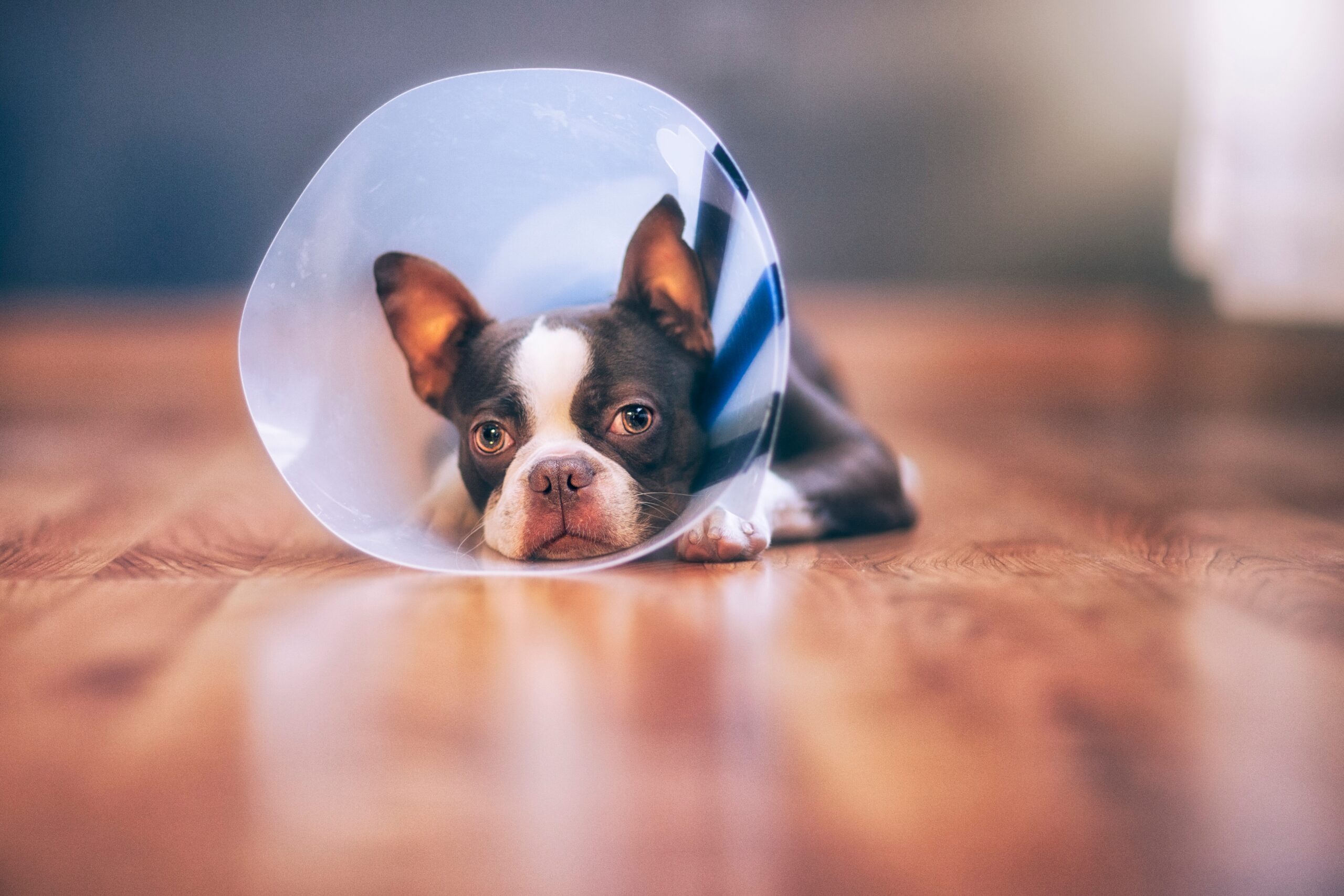
As a pet owner, you want to provide the best care possible for your furry friend, ensuring they lead a long and happy life. However, just like humans, pets are susceptible to health issues that may require medical attention, including orthopedic problems. If you’ve noticed changes in your pet’s movement or behavior, it might be time to consider whether orthopedic surgery is needed.
Orthopedic issues in pets often involve bones, joints, or soft tissues. These conditions can cause discomfort, limit your pet’s mobility, and significantly affect their quality of life. This blog is especially for pet owners in Charlotte, NC, who want to understand the common signs that indicate their pet might need orthopedic surgery. This guide will help you recognize those signs, understand the types of orthopedic surgeries available, support your pet’s recovery, and help them thrive.
Everything You Need to Know About Orthopedic Surgery for Pets
Orthopedic surgery for pets is a medical procedure aimed at correcting problems related to bones, joints, ligaments, and tendons. These issues can arise from injuries, developmental conditions, or age-related wear and tear. For pets suffering from fractures, arthritis, or ligament damage, surgery can restore mobility and alleviate pain.
Pets are at risk for orthopedic issues due to various factors such as age, breed, activity level, and even genetics. Some conditions can be managed with non-surgical methods, but in more severe cases, surgery is necessary to improve your pet’s quality of life. Timely intervention is key; delaying treatment can lead to further complications, making the recovery process more difficult.
Common Signs That Your Pet Might Need Orthopedic Surgery
Lameness and Limping
One of the most obvious signs that your pet might need orthopedic surgery is limping or lameness. If your pet suddenly starts limping or avoids putting weight on a leg, it’s a clear indication that something is wrong. Common causes of limping include fractures, ligament injuries, or joint instability.
When to be concerned:
- Persistent limping that lasts more than a couple of days
- Favoring one leg or being unable to walk properly
- Pain when the affected limb is touched
Difficulty Moving or Climbing
As pets age or experience injury, they may struggle with movement. If your cat or dog seems to have trouble jumping, climbing stairs, or getting up after resting, it could be a sign of arthritis, hip dysplasia, or another orthopedic issue. These conditions can cause pain and stiffness in joints, making everyday activities more difficult.
When to be concerned:
- Reluctance to jump or climb
- Signs of stiffness, especially in the morning
- Difficulty standing up after lying down
Swelling and Heat Around Joints
Swelling or heat around a joint is another key indicator that your pet might need orthopedic surgery. Inflammation can result from arthritis, injuries, or infections. If the swelling is accompanied by pain or tenderness, it may indicate a more serious condition that requires medical attention.
When to be concerned:
- Swelling that does not go away or worsens over time
- Heat or warmth around a specific joint
- Painful when the affected area is touched
Changes in Gait or Posture
If you see your pet dragging a limb or walking with a limp, it may indicate an underlying orthopedic issue, such as muscle weakness, joint instability, or damage to bones or ligaments. A crooked posture or abnormal walking patterns can affect your pet’s movement and quality of life.
When to be concerned:
- Shifting weight in an unusual way
- Dragging one or more limbs while walking
- Walking with a hunched back or an abnormal posture
Behavioral Changes and Irritability
Pets experiencing pain often exhibit changes in their behavior. If your normally friendly pet becomes more irritable, aggressive, or withdrawn, they may be trying to communicate discomfort. Orthopedic issues can cause pain that makes pets act out of character.
When to be concerned:
- Unexplained aggression or sudden behavioral changes
- Hiding or avoiding interaction
- Increased sensitivity to touch or handling
Exploring the Different Types of Orthopedic Surgeries for Pets
1. Hip and Elbow Dysplasia Surgery
Hip and elbow dysplasia are common conditions in larger dog breeds, where the joint doesn’t develop properly, leading to pain and arthritis. Surgery can help correct the joint’s alignment or replace the damaged joint, offering long-term pain relief.
Types of surgery:
- Total Hip Replacement (THR): In severe cases, a hip replacement may be needed to remove the damaged joint and replace it with a prosthetic.
- Femoral Head Ostectomy (FHO): In some cases, the head of the femur is removed to relieve pain and improve mobility.
- Elbow Arthroplasty: This procedure helps stabilize the elbow joint and reduce pain.
2. Fracture Repair
Fractures, whether caused by accidents, falls, or trauma, require prompt attention. Depending on the location and severity of the fracture, surgical repair might be necessary to realign the bone and ensure proper healing.
Fracture repair methods:
- Plates, screws, or pins to stabilize the broken bone
- External fixation for complex fractures
- Casting for less severe fractures, when appropriate
3. Cruciate Ligament Repair
A torn cruciate ligament is a common injury in active dogs, especially in certain breeds. It can lead to instability in the knee joint, making it difficult for your pet to walk or run. Surgery is often required to repair or replace the damaged ligament.
Surgical options:
- TTA (Tibial Tuberosity Advancement): A procedure to stabilize the knee and reduce pain.
- TPLO (Tibial Plateau Leveling Osteotomy): A more advanced procedure to provide stability to the knee joint.
4. Arthroscopy for Joint Problems
Arthroscopy is a minimally invasive procedure used to diagnose and treat joint problems. It involves inserting a small camera into the joint to look for damage to cartilage or soft tissue. In many cases, arthroscopy can help remove damaged tissue or repair minor injuries.
Benefits of arthroscopy:
- Minimally invasive
- Faster recovery time compared to traditional surgery
- Accurate diagnosis and treatment of joint issues
5. Joint Replacement Surgery
For pets suffering from severe arthritis or joint degeneration, joint replacement surgery may be the best option. Common joint replacements are the hip and elbow, though other joints can also be replaced. It can significantly improve your pet’s quality of life and mobility.
What to expect:
- The damaged joint is replaced with a prosthetic one.
- Post-surgical rehabilitation is necessary for the best outcome.
Recovery Guide: Things to Expect After Your Pet’s Surgery
1. Post-Surgery Care and Rehabilitation
The recovery process for orthopedic surgery varies depending on the type of surgery, your pet’s age, and overall health. In most cases, pets will need a period of rest and limited activity to allow the surgical site to heal properly. Your veterinarian will provide specific instructions on post-surgery care, including medications and rehabilitation exercises.
Key recovery tips:
- Restrict movement: Prevent your pet from running, jumping, or engaging in strenuous activities.
- Pain management: Follow your vet’s instructions for administering pain medication.
- Physical therapy: In some cases, rehabilitation exercises or hydrotherapy can speed up recovery and improve mobility.
2. Follow-up Appointments
Your vet will schedule follow-up appointments to monitor your pet’s recovery. These visits allow the veterinarian to check the surgical site, assess your pet’s healing progress, and make any necessary adjustments to the recovery plan.
What to expect at follow-up visits:
- X-rays or other imaging to check bone healing
- Adjustments to pain medication or physical therapy routines
- Instructions on increasing activity levels gradually
Guiding Your Pet’s Recovery From an Orthopedic Surgery
Orthopedic surgery can be life-changing for pets suffering from pain, limited mobility, or injuries. Whether your pet needs joint replacement, ligament repair, or fracture treatment, early intervention and proper care are crucial to their recovery. By recognizing the signs that your pet may need surgery and seeking veterinary help, you can ensure they receive the treatment they need to live a comfortable, active life.
If you notice any signs of discomfort or mobility issues in your pet, don’t hesitate to consult with your veterinarian. Surgery might be the best solution to restore your pet’s quality of life and prevent further complications.
If you’re in Charlotte and think your pet may need orthopedic surgery, schedule an appointment with Rea Road Animal Hospital for a consultation today. Our compassionate team is here to guide you through the best treatment options for your pet’s orthopedic health. Contact us through our website or call us and help your pet get back on its paws.
FAQs
Q1. How can I tell if my pet needs orthopedic surgery?
Ans. If your pet is limping, struggling to move, or showing signs of pain that don’t improve with rest, it may be time to consult with your vet for orthopedic evaluation and potential surgery.
Q2. How long does recovery take after orthopedic surgery?
Ans. Recovery time varies, but most pets take 6-8 weeks to heal fully. Your veterinarian will provide a customized recovery plan based on your pet’s surgery.
Q3. Are there risks associated with orthopedic surgery?
Ans. As with any surgery, there are risks such as infection or complications during healing. However, the benefits of restoring mobility and alleviating pain usually outweigh these risks.
Q4. Can I prevent orthopedic problems in my pet?
Ans. Maintaining a healthy weight, providing joint supplements, and ensuring your pet gets regular exercise can help prevent orthopedic issues. Regular vet check-ups also aid in early detection.
Q5. What happens if I delay surgery for my pet?
Ans. Delaying surgery can lead to worsening pain, decreased mobility, and the potential for more severe complications. Timely surgery ensures better long-term outcomes and faster recovery.
Q6. Can my pet return to normal activities after orthopedic surgery?
Ans. With proper rehabilitation and gradual resumption of activity, many pets return to normal activities after orthopedic surgery. Your vet will guide you through the recovery process to ensure the best outcome.
New Furry Friends Welcome.
Schedule a Same-Day or Next Day Visit!