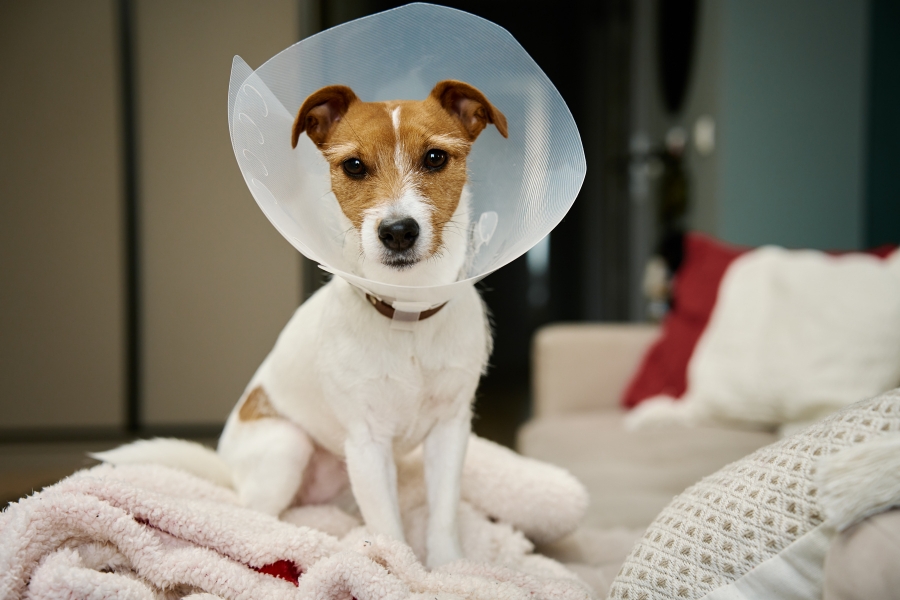
Watching your dog undergo surgery can be stressful. As a loving pet parent, it’s natural to wonder how long recovery will take and what you can do to help your dog heal comfortably. While every dog is different, understanding the recovery process allows you to provide the right care at the right time.
Recovery does not happen overnight. Instead, it occurs in stages and depends on several factors, including the type of procedure, your dog’s age, and overall health. With patience, proper aftercare, and veterinary guidance, most dogs return to their normal routines successfully. This guide is designed to help pet owners make informed decisions and feel confident throughout the healing process, especially those caring for dogs in Charlotte , NC.
What Does Recovery After Surgery Really Mean?
Recovery refers to the period during which your dog’s body heals from surgical trauma. During this time, tissues repair, inflammation reduces, and energy gradually returns. Although your dog may appear better within days, internal healing often takes much longer.
Therefore, following veterinary instructions closely is essential. Rushing recovery can lead to complications such as infection, delayed healing, or reopening of surgical sites. Understanding what to expect helps prevent these setbacks.
Factors That Affect a Dog’s Recovery Time
Several elements influence how long it takes a dog to heal after surgery.
First, the type of procedure matters. Minor surgeries usually heal faster, while complex orthopedic or abdominal procedures require extended rest. Second, your dog’s age plays a role. Puppies often heal quickly, whereas senior dogs may take longer.
Additionally, overall health significantly impacts recovery. Dogs with underlying conditions may need extra monitoring. Nutrition, activity restriction, and home care consistency also affect healing speed.
Typical Recovery Timeline for Dogs
Although timelines vary, most dogs follow a general recovery pattern.
First 24–72 Hours
During this period, dogs may feel groggy due to anesthesia. Mild swelling, reduced appetite, and low energy are common. Rest is critical at this stage.
First Week
Energy levels begin to improve. However, activity should remain limited. Your dog may want to move more, but restraint prevents complications.
Two to Four Weeks
Most soft tissue healing occurs during this phase. Sutures may be removed, and controlled activity may resume if approved by your veterinarian.
Four to Eight Weeks
Full recovery often happens within this window, especially after major procedures. Bone and muscle healing may continue beyond this point.
Because healing is gradual, patience remains essential throughout the process.
How Pain Management Supports Healing
Pain control plays a crucial role in recovery. When pain is managed effectively, dogs rest better and heal faster. Veterinarians often prescribe medications to reduce discomfort and inflammation.
Never give human pain medication to your dog. Instead, follow prescribed dosing instructions carefully. If pain seems uncontrolled, contact your veterinarian promptly.
The Importance of Activity Restriction
Limiting movement protects surgical sites and internal repairs. Jumping, running, or rough play can reopen wounds or disrupt healing tissues.
Leash walks, confinement, and calm environments help ensure a smooth recovery. Although your dog may resist restrictions, consistency prevents setbacks and promotes long-term health.
Nutrition and Hydration During Recovery
Proper nutrition fuels healing. After surgery, some dogs experience temporary appetite loss. Offering small, bland meals can help encourage eating.
Hydration is equally important. Ensure fresh water is always available. If appetite does not return within a reasonable timeframe, consult your veterinarian.
Monitoring for Complications
Daily observation helps catch issues early. Watch for signs such as swelling, redness, discharge, excessive licking, or behavioral changes.
While most dogs recover without issues, complications can occur after dog surgery. Prompt veterinary attention prevents minor problems from becoming serious.
Emotional Support Matters Too
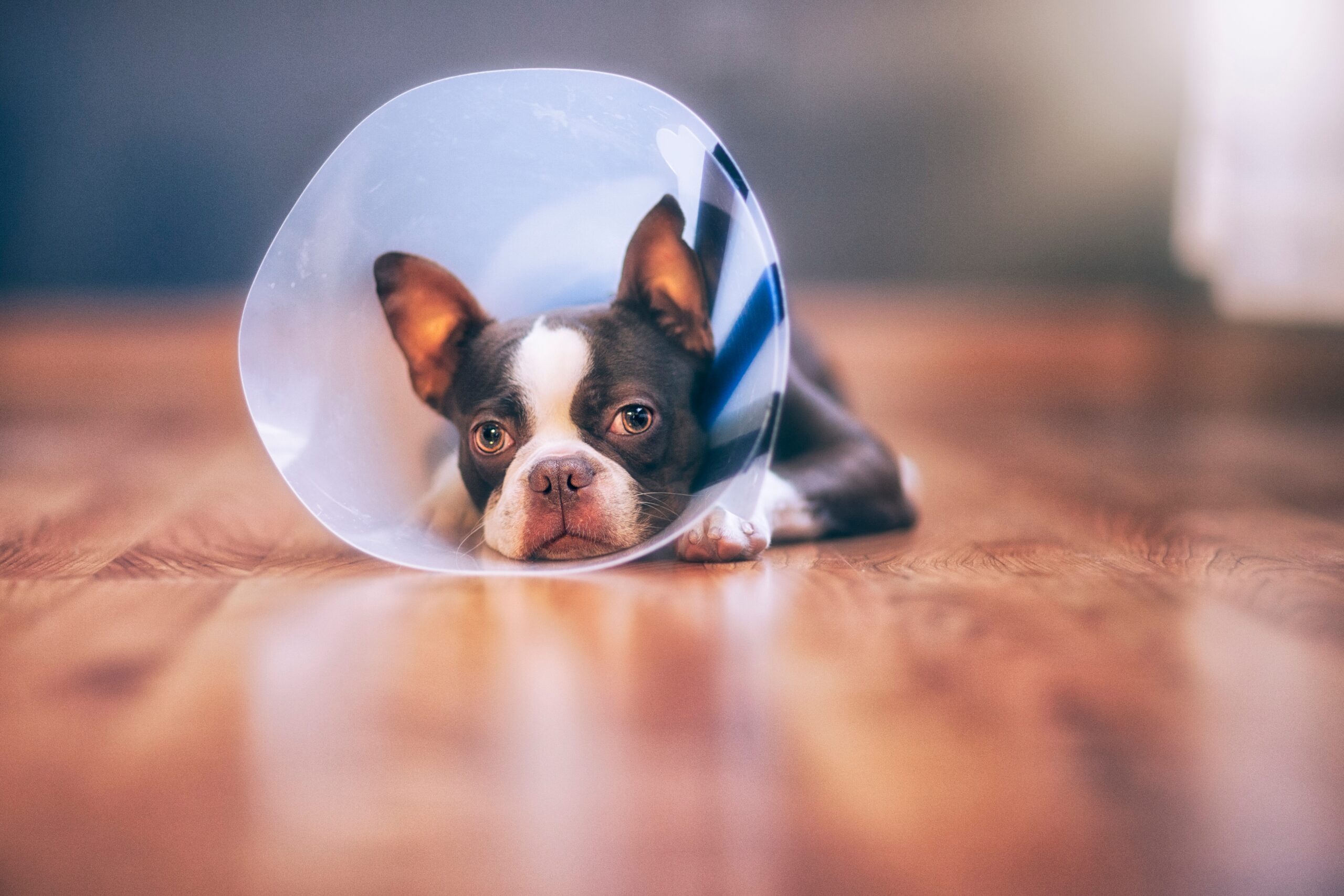
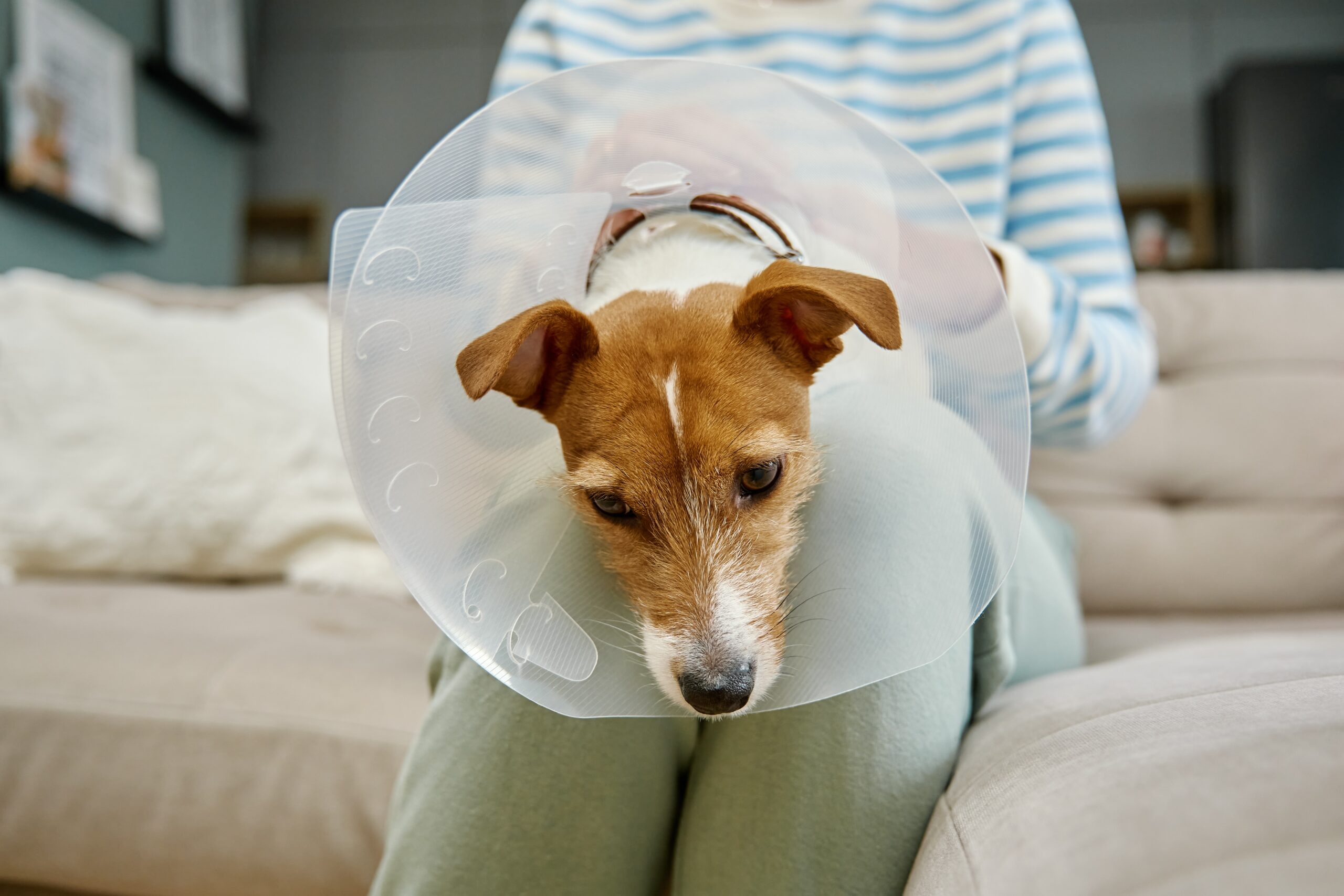
Dogs often feel anxious during recovery. Changes in routine, limited activity, and wearing protective collars can cause stress.
Providing reassurance, maintaining a calm environment, and spending quiet time together supports emotional well-being. Emotional comfort plays a surprising role in physical healing.
When to Contact Your Veterinarian
Contact your veterinarian if you notice persistent pain, fever, loss of appetite, or changes in the surgical site. Early intervention protects your dog’s health and speeds recovery.
Clear communication with your veterinary team ensures your dog receives appropriate care after dog surgery and beyond.
Recovery after surgery is a journey that requires patience, attention, and consistency. While healing timelines vary, proper aftercare significantly improves outcomes. By following veterinary guidance, limiting activity, and monitoring progress, you give your dog the best chance at a full recovery.
If you are in Charlotte and need guidance related to dog recover after surgery, book an appointment with Rea Road Animal Hospital. Our veterinary team is dedicated to supporting your dog’s healing every step of the way.
FAQs
Q1. How long does it take for a dog to fully recover after surgery?
Ans. Recovery time varies based on the type of surgery, age, and overall health, but most dogs heal within a few weeks with proper care.
Q2. Is it normal for dogs to be sleepy after surgery?
Ans. Yes. Drowsiness and low energy are common for several days due to anesthesia and the healing process.
Q3. How can I tell if my dog is in pain during recovery?
Ans. Signs include whining, restlessness, reduced appetite, limping, or changes in behavior.
Q4. When can my dog start walking or playing again after surgery?
Ans. Light activity may resume gradually, but full activity should only begin after your veterinarian gives approval.
Q5. What should I avoid during my dog’s recovery period?
Ans. Avoid running, jumping, bathing too soon, and allowing your dog to lick or chew the surgical site.
Q6. When should I contact a veterinarian after my dog’s surgery?
Ans. Contact your veterinarian if you notice swelling, discharge, persistent pain, fever, or loss of appetite.
New Furry Friends Welcome.
Schedule a Same-Day or Next Day Visit!