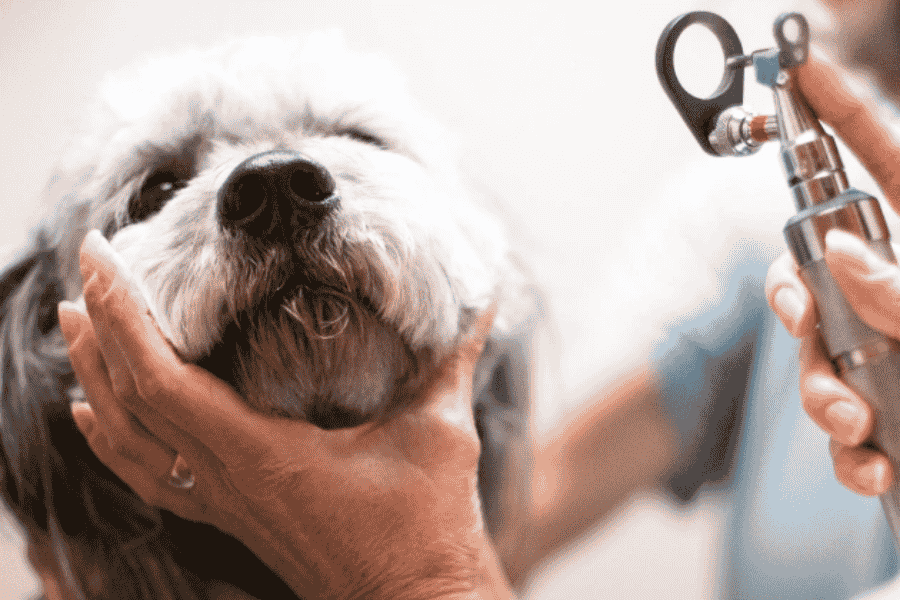
Laser technology isn’t just for human healthcare anymore. Today, veterinary clinics are embracing laser dentistry to make dental procedures for pets safer, quicker, and less stressful. But is it really safe for your furry companion? And what do veterinarians actually think about it?
Let’s dig into the world of pet laser therapy services and uncover what’s behind the rising popularity of laser dentistry in veterinary care.
What Is Laser Dentistry for Pets?
Laser dentistry uses focused light energy to perform soft or hard tissue procedures. Instead of using traditional tools like scalpels or drills, lasers provide a minimally invasive approach. Vets can treat conditions such as gingivitis, periodontal disease, and oral tumors with greater precision.
Because lasers cauterize as they cut, there’s often less bleeding, reduced swelling, and faster healing—benefits that sound great, especially for anxious pets.
Why More Clinics Are Turning to Laser Dentistry
Veterinarians are turning to laser technology for several compelling reasons:
- Reduced pain and discomfort during and after treatment
- Lower risk of infection due to sterilizing properties
- Minimal bleeding, which improves visibility for the vet
- Shorter recovery times, allowing pets to bounce back quickly
Clinics offering pet laser therapy services often see improved patient outcomes and more satisfied pet owners.
Pros of Laser Dentistry for Pets
Laser technology isn’t just flashy—it delivers real benefits that are hard to ignore. Here are some of the biggest pros:
1. Gentler Experience
Lasers make incisions without direct contact, reducing the need for physical pressure or pulling on sensitive gum tissues.
2. Less Anesthesia Required
In some cases, procedures can be completed with lighter sedation. This is especially beneficial for older pets or those with medical conditions.
3. Faster Recovery
Many pets resume eating and normal behavior sooner after laser procedures compared to traditional surgery.
4. Precision That Protects Healthy Tissue
Because lasers target only the affected area, surrounding tissues remain untouched and unharmed.
Are There Any Drawbacks?
Despite the many upsides, laser dentistry isn’t perfect. Let’s explore some of the potential cons:
1. Higher Cost
Laser equipment is expensive, and those costs may be reflected in the procedure price.
2. Limited Application
Lasers are ideal for soft-tissue procedures, but they may not be suitable for treating issues involving hard tooth structures or deep bone infections.
3. Trained Operators Required
Successful laser dentistry depends heavily on the operator’s skill. Inexperienced handling can lead to ineffective treatment or tissue damage.
Still, many vets agree the pros outweigh the cons—especially when the technology is handled by trained professionals.
What Do Vets Really Think?
Veterinarians who have adopted laser dentistry often say they’d never go back. They highlight the smoother procedures, quicker patient turnaround, and improved long-term outcomes.
However, some caution that it’s not a one-size-fits-all solution. As one Charlotte-based vet put it, “Laser therapy is a fantastic tool, but it’s not a miracle fix. When paired with good diagnosis and patient care, it works wonders.”
Clinics offering pet laser therapy services usually assess each pet individually before recommending laser over conventional methods.
When Is Laser Dentistry a Good Option?
Laser dentistry can be a smart choice in several situations, including:
- Pets with early to moderate gum disease
- Animals sensitive to pain or slow to heal
- Senior pets that need minimal trauma during procedures
- Removal of small tumors or oral growths
- Treating inflamed gums or lesions
However, it’s important to schedule a full oral exam so your vet can determine if laser dentistry is appropriate.
How to Prepare for a Laser Dentistry Appointment
If your vet recommends laser treatment, here are a few things you can do to prepare:
- Ensure your pet hasn’t eaten 6–8 hours before anesthesia
- Bring a list of medications and supplements
- Ask questions about risks, post-op care, and recovery timeline
- Create a calm environment at home for post-treatment healing
Following these steps helps ensure a smoother experience for both you and your pet.
FAQs About Laser Dentistry for Pets
1. Is laser dentistry painful for pets?
No, it’s typically less painful than traditional surgery. The laser seals nerve endings, reducing pain and discomfort.
2. Can laser dentistry replace traditional cleanings?
Not completely. It’s a complementary tool for procedures like gum treatment, but ultrasonic scaling is still essential for cleanings.
3. How long is the recovery time?
Many pets show improvement within 24–48 hours. Full recovery may take a few days, depending on the procedure.
4. Is anesthesia still required?
Yes, in most cases, pets need anesthesia to remain still and pain-free during treatment.
5. Is laser dentistry safe for cats, too?
Absolutely. Laser procedures are safe and effective for both cats and dogs.
6. Are there any risks with laser dentistry?
When performed by trained professionals, the risks are minimal. However, improper use can damage tissues or delay healing.
Final Thoughts:
Laser dentistry is shaping the future of veterinary dental care. It’s faster, cleaner, and less invasive—perfect for pets who don’t love the vet (which, let’s face it, is most of them). Still, it’s not the right solution for every dental concern.
Your best course of action? Speak with a trusted provider of pet laser therapy services. They can guide you based on your pet’s specific needs and ensure you make an informed decision.

New Furry Friends Welcome.
Schedule a Same-Day or Next Day Visit!