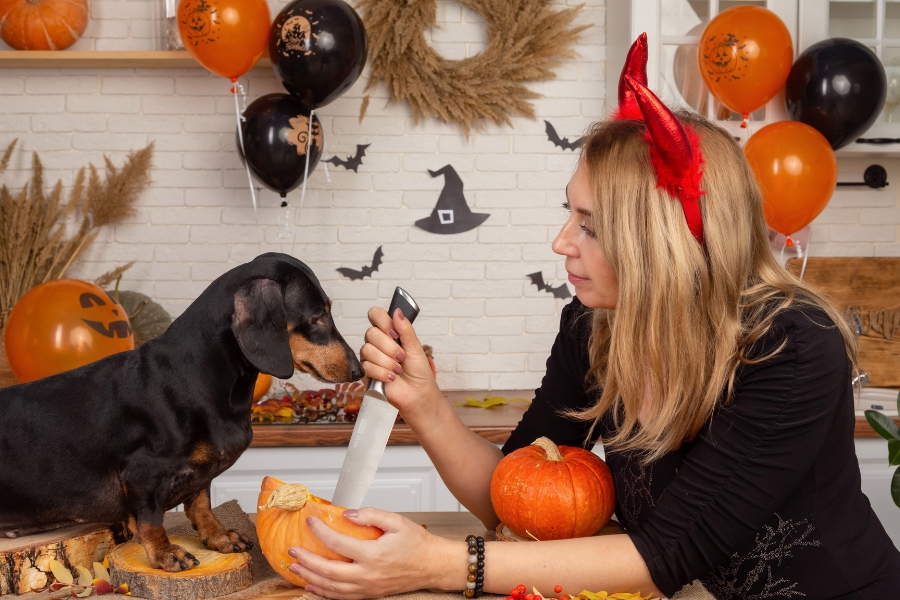
Halloween is an exciting time filled with costumes, candy, and spooky decorations. However, for many dogs, this holiday can be overwhelming. Strange noises, unfamiliar visitors, and a flood of costumes can cause stress and confusion. Therefore, training your dog for Halloween is not just a fun idea—it’s essential for their safety and comfort.
In this post, you will learn the top tricks and treats to train your dog effectively for Halloween. From socialization tips to safety measures, we’ll cover everything to ensure your furry friend enjoys the festivities alongside you.
Start With Socialization Early
First and foremost, socialization is the foundation of any good training program. Introducing your dog to different people, sounds, and environments early on will help them stay calm when Halloween night arrives. If your dog is already socialized, reinforce this behavior by exposing them to new experiences gradually.
For example, invite friends over in costume or play Halloween soundtracks at a low volume. These activities help your dog become accustomed to the unusual sights and sounds without feeling overwhelmed.
Use Positive Reinforcement
Next, focus on positive reinforcement. Reward your dog for calm and relaxed behavior around Halloween stimuli. Use treats, praise, and toys to encourage your dog when they respond well to costumes, decorations, or visitors.
Positive reinforcement helps your dog associate Halloween with good things rather than fear or anxiety. For instance, if your dog remains calm while someone in a costume approaches, immediately reward them. This technique strengthens their confidence and reduces negative reactions.
Teach Basic Commands
Furthermore, mastering basic commands is crucial for keeping your dog safe during Halloween. Commands such as “sit,” “stay,” “come,” and “leave it” can prevent unwanted behavior like darting into the street or barking excessively at trick-or-treaters.
Practice these commands regularly, especially in distracting environments. Consider using Halloween-themed practice sessions to make training fun. For example, have your dog “stay” while you walk by with a noisy decoration or colorful costume.
Create a Safe Space
Moreover, provide your dog with a safe space to retreat to when Halloween activities become too much. This could be a quiet room, a crate, or a cozy corner with their favorite bed and toys.
Encourage your dog to use this space whenever they feel stressed or scared. Training them to understand this is their sanctuary helps reduce anxiety and promotes self-soothing during noisy or crowded situations.
Manage Doorway Behavior
One of the biggest challenges during Halloween is managing your dog’s behavior at the door. With constant visitors knocking or ringing the doorbell, dogs can become overly excited or protective.
To address this, train your dog to remain calm and seated when the doorbell rings. You can practice this by ringing the bell yourself and rewarding calm behavior. Additionally, use baby gates or barriers to limit access to the front door if needed.
Avoid Dangerous Treats
While treats are a great training tool, it’s important to avoid giving your dog Halloween candy. Chocolate, xylitol, and many common sweets are toxic to dogs.
Instead, choose dog-friendly treats or make homemade goodies designed for pups. Using safe treats during training ensures your dog stays healthy and prevents any emergency vet visits during the busy holiday.
Incorporate Costume Training
If you plan to dress your dog in a costume, introduce it gradually. Some dogs may find costumes uncomfortable or frightening at first. Start by letting your dog sniff and explore the costume before putting it on.
Then, put the costume on for short periods, rewarding your dog with treats and praise. Slowly increase the wearing time to build their tolerance. Always monitor your dog to ensure they don’t overheat or get tangled in costume parts.
Stay Calm and Patient
Finally, remember to stay calm and patient throughout the training process. Dogs can sense your emotions, and if you are stressed or anxious, your dog might mirror those feelings.
Use a calm voice and gentle touch to reassure your dog. Consistency and repetition are key to successful training, so keep sessions short but frequent for the best results.
In conclusion, preparing your dog for Halloween with these tricks and treats can make the holiday enjoyable and stress-free for both of you. By socializing early, using positive reinforcement, teaching commands, and creating a safe space, you help your dog navigate the spooky season confidently. Don’t forget to avoid harmful treats and introduce costumes gradually. Most importantly, stay patient and calm during training.
If you notice any unusual behavior or health concerns related to Halloween stress or treats, be sure to contact your veterinarian promptly. Their expert advice will keep your dog safe and happy all year round.
FAQs
Q1. Can I train my dog for Halloween in just a few days?
Ans. While you can make some progress in a short time, effective training takes weeks. Start early for the best results.
Q2. What if my dog is scared of costumes?
Ans. Introduce costumes gradually, reward calm behavior, and never force your dog. Some dogs may never enjoy costumes, and that’s okay.
Q3. Are all dog treats safe for Halloween?
Ans. No. Avoid human candy like chocolate or anything containing xylitol. Use vet-approved or homemade dog treats instead.
Q4. How can I reduce my dog’s anxiety on Halloween?
Ans. Create a quiet, safe space, use calming aids if needed, and maintain a routine to help your dog feel secure.
Q5. Is it okay to take my dog trick-or-treating?
Ans. Only if your dog is comfortable in crowds and you can control them well. Otherwise, it’s better to leave them in a safe space at home.
Q6. What should I do if my dog gets overstimulated?
Ans. Remove them from the environment immediately and provide a calm, quiet area to relax. If symptoms persist, consult your veterinarian.
Related Articles
New Furry Friends Welcome.
Schedule a Same-Day or Next Day Visit!