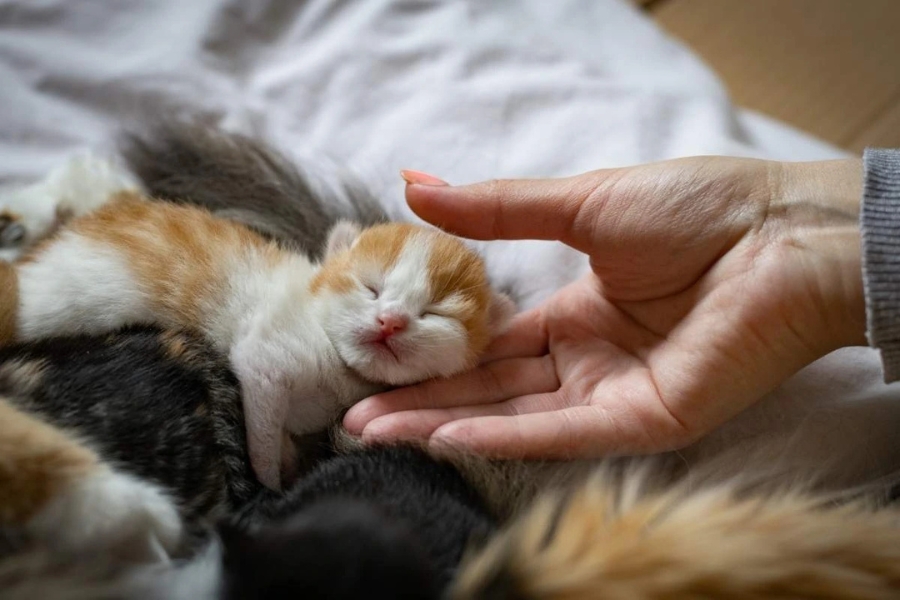
Bringing a new kitten into your home is an exciting and rewarding experience. However, it’s essential to understand that your kitten will need some time to adjust to their new surroundings. The “3-3-3 Rule” is a useful guideline to help both you and your kitten navigate this transition. This rule is designed to help your kitten adapt emotionally, mentally, and physically over the first few weeks. By following this simple rule, you’ll be setting your kitten up for a happy, healthy life in your home.
In this blog, we’ll break down the 3-3-3 Rule, explain why it’s so important for your kitten’s transition, and offer tips for ensuring a smooth adjustment.
What Is the 3-3-3 Rule?
The 3-3-3 Rule outlines the three stages of a kitten’s transition after moving into a new home. It is based on the premise that it typically takes a kitten three days, three weeks, and three months to adjust to their new environment fully. Understanding and being patient with your kitten’s adjustment process will help reduce stress for both you and your new pet.
Here’s a breakdown of the 3-3-3 Rule:
- 3 Days: The initial adjustment phase
- 3 Weeks: Building trust and settling in
- 3 Months: A fully adjusted and comfortable kitten
Let’s dive deeper into each stage.
Stage 1: The First 3 Days – The Adjustment Phase
During the first three days in your home, your kitten will likely be overwhelmed. Moving to a new home means a new environment, new sounds, new smells, and new faces. This can be intimidating for your kitten, and they will need time to settle in.
What to Expect:
- Hiding: Most kittens will spend the first few days hiding in a quiet, safe spot. They may be too scared to interact with you or their surroundings.
- Shyness and Anxiety: Your kitten might seem nervous, unsure, or scared of unfamiliar sounds and people.
- Limited Eating or Drinking: It’s not uncommon for kittens to have reduced appetite during the first few days. Stress can sometimes impact their eating habits.
What You Can Do:
- Provide a Safe Space: Set up a designated area where your kitten can feel secure. This might be a quiet room with their food, water, litter box, and a cozy spot to rest.
- Limit Visitors: During the first few days, it’s best to limit the number of people your kitten interacts with. Keep things calm and quiet so they can adjust at their own pace.
- Be Patient and Gentle: Avoid forcing interactions. Let your kitten come to you when they’re ready. Speak softly and avoid sudden movements that might startle them.
Stage 2: The First 3 Weeks – Building Trust and Settling In
By the time three weeks have passed, your kitten will begin to feel more comfortable in their new environment. They will start exploring more and gradually become less fearful of their surroundings. However, they may still need additional time to fully trust you and their new home.
What to Expect:
- Exploration: Your kitten will begin exploring different areas of the house. They’ll start to venture out of their safe space, but they may still be cautious in unfamiliar areas.
- Increased Activity: Kittens are naturally curious and energetic. Over the next few weeks, your kitten will begin to engage in more playtime and interaction with you.
- Some Fear of New People or Pets: While they may be more comfortable around you, they might still feel nervous when meeting new people or other animals.
What You Can Do:
- Encourage Play: Play is an excellent way to bond with your kitten and build trust. Use toys to encourage interaction, like string toys or interactive wands.
- Gentle Handling: Handle your kitten gently and consistently. Spend time petting and cuddling them to help them feel secure.
- Gradual Introductions to Others: If you have other pets, introduce them slowly. Similarly, when visitors come over, allow your kitten to observe from a distance before making closer introductions.
Stage 3: The First 3 Months – A Fully Adjusted Kitten
By the end of the first three months, your kitten will be fully adjusted to their new home and will have bonded with you. They’ll become more social, confident, and active. This is the stage where your kitten truly begins to feel like a part of the family.
What to Expect:
- Social Behavior: Your kitten will be much more affectionate and interactive, regularly seeking attention, playtime, and petting.
- Confidence: They will no longer feel the need to hide and will confidently explore all areas of your home.
- Stronger Bond with You: Your kitten will have formed a strong bond with you and may follow you around, snuggle on the couch, or show other signs of attachment.
What You Can Do:
- Encourage Socialization: Continue socializing your kitten with other pets and people. Positive interactions help them build confidence.
- Start Training: At this point, you can begin introducing basic training, such as litter box habits and gentle commands. Use treats and positive reinforcement to encourage good behavior.
- Establish a Routine: Cats thrive on routines. Establish regular feeding times, play sessions, and bedtime to help your kitten feel secure.
Why the 3-3-3 Rule Matters
Understanding the 3-3-3 Rule helps you approach the kitten adjustment process with patience and empathy. Cats are creatures of habit, and a major change in their environment can be overwhelming. Recognizing that it takes time for your kitten to adjust can help you avoid frustration or feelings of failure during the transition.
Additionally, this rule helps you set realistic expectations. Not all kittens will adjust at the same pace, but following the 3-3-3 Rule ensures that you’re providing the right amount of time and care for them to adjust at their own speed.
Additional Tips for a Successful Kitten Transition
Here are some extra tips to help your kitten settle in more smoothly during their first few months:
- Veterinary Care: Schedule a veterinary checkup within the first week of bringing your kitten home. Regular check-ups ensure your kitten is healthy and up to date on vaccinations.
- Litter Box Training: Make sure the litter box is in a quiet, accessible location. Clean it regularly to encourage your kitten to use it.
- Kitten-Proof Your Home: Remove any potential hazards, like cords, small objects that could be swallowed, or harmful plants. Safety should be a top priority.
- Provide Mental Stimulation: Kittens are playful and curious. Provide interactive toys, climbing structures, or even puzzle feeders to keep them engaged.
The 3-3-3 Rule for kittens offers a clear and manageable timeline for understanding your new kitten’s adjustment period. By following these guidelines and providing your kitten with plenty of love, attention, and patience, you’ll help them become comfortable and happy in their new home.
As your kitten settles in, you’ll find that they develop a deep bond with you, becoming a cherished member of your family. Remember, every kitten is unique, and some may take a bit longer to adjust than others, but with time, your kitten will thrive.
If you’re looking for kitten care in Charlotte, NC, be sure to reach out to local veterinarians and pet care specialists who can offer expert advice and support to ensure a happy and healthy life for your kitten.
FAQs
Q1. How long does it take for a kitten to adjust to a new home?
Ans. It typically takes about three months for a kitten to fully adjust to a new environment. The adjustment process can vary depending on the kitten’s temperament and experiences.
Q2. How do I know if my kitten is stressed after moving?
Ans. Signs of stress in kittens include hiding, loss of appetite, excessive meowing, and reluctance to interact. Be patient and provide a quiet space for them to settle in.
Q3. Should I let my kitten explore the whole house right away?
Ans. No, it’s best to allow your kitten to explore a small, safe area initially. Gradually expand their space as they become more comfortable.
Q4. What should I do if my kitten isn’t eating or drinking after the move?
Ans. If your kitten isn’t eating or drinking within the first 24-48 hours, consult a vet. Stress can affect their appetite, but it’s important to ensure they stay hydrated and nourished.
Q5. How can I help my kitten socialize with other pets?
Ans. Introduce your kitten to other pets gradually, ensuring positive experiences. Allow them to observe each other first, then slowly move towards supervised interaction.
Q6. When should I take my kitten to the vet for the first time?
Ans. Schedule a vet visit within the first week of bringing your kitten home to ensure they are healthy, vaccinated, and receive a general check-up.



New Furry Friends Welcome.
Schedule a Same-Day or Next Day Visit!