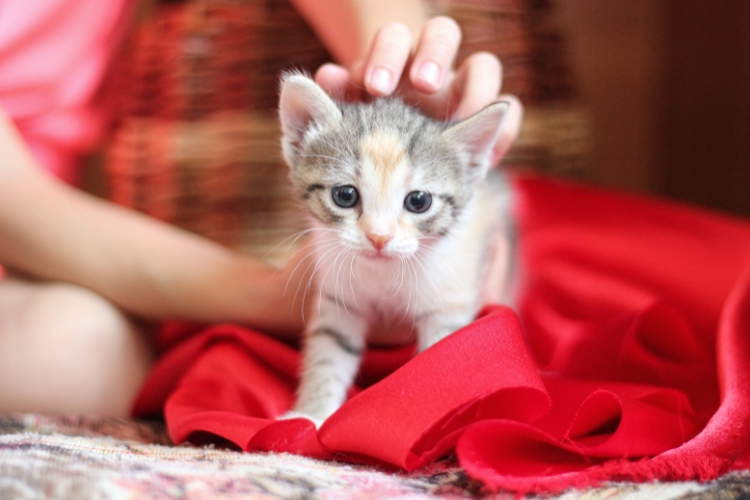
Bringing a kitten into your home is an exciting experience, but it also comes with many responsibilities. Kitten care is crucial to ensuring that your furry friend grows up healthy, happy, and well-adjusted. As a new kitten owner, there are several important things to consider in their first few months of life, including feeding, socialization, grooming, and health. Proper care during this early stage will set the foundation for a long, rewarding companionship.
This blog is especially for kitten owners in Charlotte, NC, who want to understand how proper kitten care plays a crucial role in raising a healthy, happy, and well-adjusted feline companion.
1. Preparing Your Home for Your New Kitten
Before bringing your kitten home, it’s important to prepare your space to ensure it’s safe, comfortable, and kitten-friendly. This preparation will help your kitten adjust to their new surroundings and reduce stress.
Key Preparations:
- Create a Safe Space: Set up a small, quiet room where your kitten can acclimate to their new environment. This space should include a cozy bed, litter box, food and water bowls, and some toys to keep them entertained.
- Kitten-Proof Your Home: Just like a baby, kittens are curious and tend to get into things they shouldn’t. Ensure your home is kitten-proofed by removing any dangerous items like toxic plants, electrical cords, or small objects they might swallow.
- Gather Supplies: Get the basics ready before your kitten arrives—these include a litter box, food and water dishes, a scratching post, kitten food, and a few toys.
By setting up your home with the essentials, you can make your kitten’s transition smoother and more comfortable.
2. Feeding Your Kitten
Proper nutrition is essential for a growing kitten. A balanced diet will support their rapid growth, development, and energy needs. When your kitten arrives, it’s important to follow a feeding routine that provides the proper nourishment.
What to Feed Your Kitten:
- Kittens Under 8 Weeks: If your kitten is very young, they may still need to be bottle-fed using kitten milk replacement (KMR). Regular cow’s milk should be avoided as it can upset their stomach.
- Kittens Over 8 Weeks: Once your kitten reaches 8 weeks old, they can start eating solid kitten food. Look for high-quality kitten food that is rich in protein, fat, and other essential nutrients. At this stage, you can feed a combination of wet and dry food to meet their dietary needs.
It’s important to feed your kitten several small meals a day at first. As they grow, you can gradually reduce the frequency of meals. Always provide fresh water for your kitten throughout the day.
3. Litter Training Your Kitten
Litter training is one of the first tasks you’ll tackle as a new kitten owner. Luckily, most kittens instinctively know how to use a litter box, but they may need some guidance during their adjustment period.
Tips for Litter Training:
- Choose the Right Litter: Start with a soft, non-clumping litter that’s gentle on your kitten’s paws. Some kittens may be sensitive to certain textures, so choose a litter that suits them best.
- Keep the Box Clean: Kittens are clean creatures and will be more likely to use the litter box if it is kept tidy. Scoop the litter box daily to prevent odors and maintain cleanliness.
- Positive Reinforcement: When your kitten uses the litter box correctly, offer praise or a small treat. Positive reinforcement will help them understand what’s expected of them.
With patience and consistency, most kittens quickly adapt to using the litter box.
4. Socializing Your Kitten
Socialization is key to raising a well-adjusted cat. The first few months of a kitten’s life are critical for socialization, and positive early experiences will shape how they interact with people and other animals later on.
How to Socialize Your Kitten:
- Introduce New Experiences Gradually: Gently expose your kitten to various sounds, sights, and smells. This can include things like household appliances, children, or new environments. It helps them become accustomed to different situations.
- Handle Your Kitten Regularly: Spend time petting, holding, and playing with your kitten every day. This helps them get used to human touch, reducing the likelihood of fear or anxiety as they grow.
- Meet Other Pets and People: If you have other pets, introduce them slowly and monitor their interactions. Likewise, expose your kitten to new people in a calm and controlled manner.
Proper socialization will help your kitten grow up to be friendly, confident, and comfortable around people and other animals.
5. Grooming Your Kitten
Grooming is an important part of kitten care. Regular grooming keeps your kitten’s coat healthy and free of tangles and hairballs. Even if your kitten has short fur, they still need regular brushing to remove loose hair and debris.
Grooming Tips:
- Brushing: Start brushing your kitten’s fur early so they get used to it. Use a soft brush or comb to avoid irritating their skin. Regular brushing will reduce shedding and help prevent hairballs.
- Nail Trimming: Trim your kitten’s nails regularly to prevent them from becoming too long or sharp. Start gently and gradually so your kitten becomes accustomed to the process.
- Bathing: Most kittens don’t require frequent baths unless they get into something sticky or dirty. If you do need to bathe your kitten, use a kitten-safe shampoo to avoid irritating their skin.
Grooming not only keeps your kitten looking good but also helps to maintain their health and hygiene.
6. Veterinary Care for Your Kitten
Routine veterinary visits are essential for your kitten’s overall health and development. Your veterinarian will help ensure your kitten stays on track with vaccinations, health screenings, and general care.
Key Veterinary Visits:
- Initial Checkup: After bringing your kitten home, schedule a vet visit to ensure they are healthy and free of parasites. Your vet will perform a physical exam and recommend the appropriate vaccines.
- Vaccinations: Kittens need a series of vaccinations to protect against diseases like feline distemper, herpesvirus, calicivirus, and rabies. Follow your veterinarian’s schedule for these vaccinations.
- Spaying/Neutering: Around 5-6 months, your kitten should be spayed or neutered. This helps prevent unwanted litters and reduces the risk of certain health issues later in life.
At Rea Road Animal Hospital, we provide comprehensive veterinary care for kittens, including routine exams, vaccinations, and advice on spaying or neutering. We’re here to support your kitten’s health from day one.
Caring for a kitten is a rewarding experience that requires patience, attention, and commitment. By following the tips outlined in this guide, you can ensure that your kitten grows up healthy, happy, and well-adjusted. If you’re in Charlotte, NC, and looking for expert kitten care near you, schedule an appointment with Rea Road Animal Hospital. Our veterinary team is dedicated to providing the best care for your kitten, from vaccinations to routine checkups and beyond. Contact us today to ensure your kitten has the best start in life.
FAQs
Q1. When can I bring my kitten home?
Ans. You can typically bring your kitten home around 8-12 weeks of age, once they are fully weaned and ready for socialization and training.
Q2. What should I feed my kitten?
Ans. Feed your kitten high-quality kitten food rich in protein and essential nutrients. Your veterinarian can help guide you in selecting the best food based on your kitten’s needs.
Q3. How often should I feed my kitten?
Ans. Kittens should be fed 3-4 times a day initially. As they grow, you can gradually reduce the frequency of feedings, but always provide fresh water.
Q4. How do I know if my kitten is sick?
Ans. Signs of illness in kittens include loss of appetite, lethargy, diarrhea, vomiting, or coughing. Contact your veterinarian immediately if you notice any of these symptoms.
Q5. When should I spay or neuter my kitten?
Ans. Kittens can be spayed or neutered as early as 5-6 months of age. This helps prevent unwanted litters and improves long-term health.
Q6. How do I introduce my kitten to other pets?
Ans. Introduce your kitten to other pets slowly and supervise their interactions. Allow them to become familiar with each other in a safe, controlled environment.


New Furry Friends Welcome.
Schedule a Same-Day or Next Day Visit!