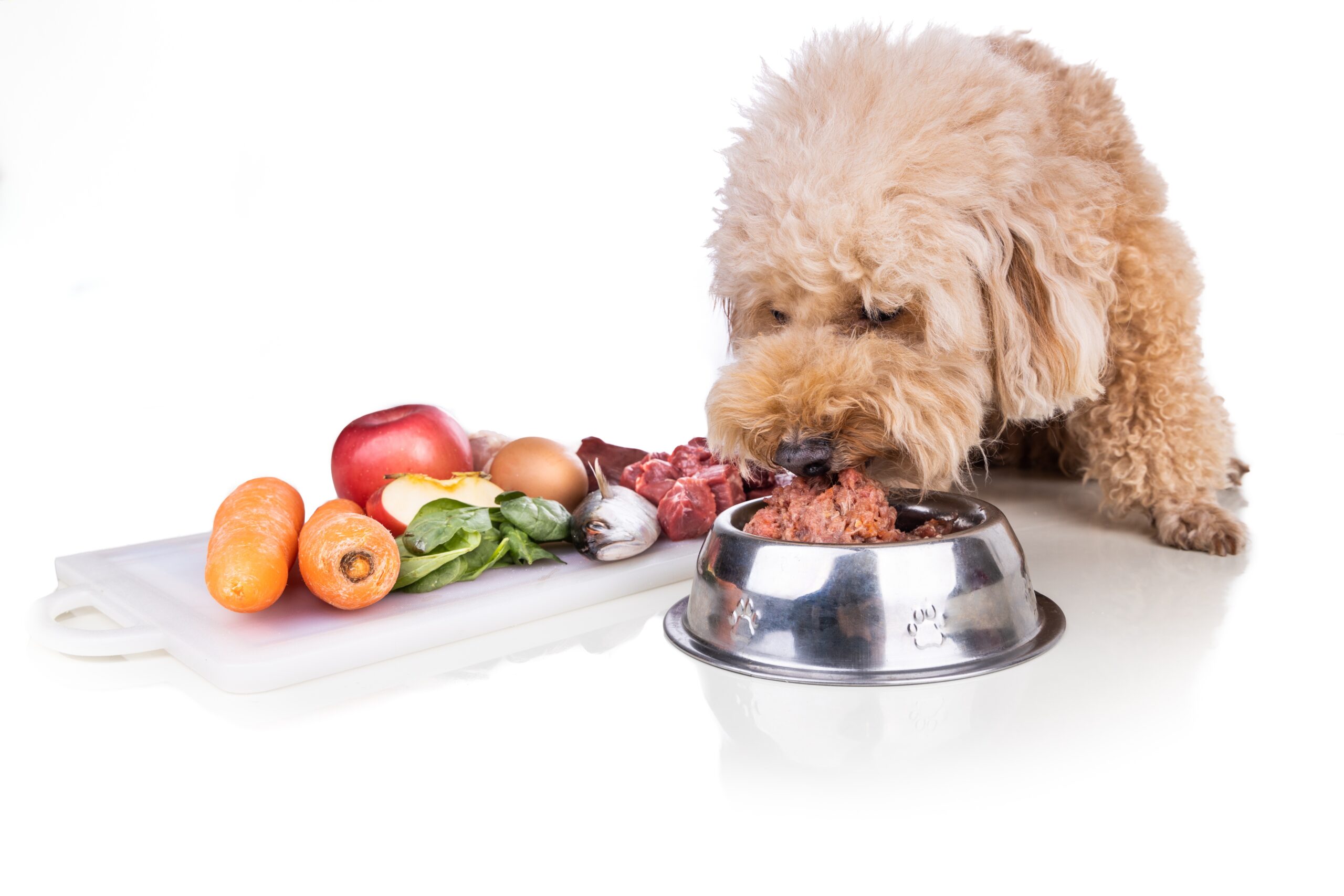
Digestive problems are one of the most common reasons dogs and cats visit the veterinarian. While occasional stomach upset may not always be serious, persistent digestive symptoms can sometimes indicate underlying medical conditions that require professional care. Because pets cannot explain what they are feeling, it is important for owners to recognize early warning signs before minor issues become more severe.
Vomiting, diarrhea, appetite changes, gas, and abdominal discomfort can all signal digestive problems in pets. In some cases, these symptoms may result from mild dietary indiscretion, while others could point to infections, parasites, food sensitivities, pancreatitis, intestinal obstruction, or chronic gastrointestinal disease.
Understanding the difference between occasional digestive upset and symptoms requiring veterinary attention can help protect your pet’s health and comfort.
For pet owners in Charlotte, learning to recognize digestive problems early may improve treatment outcomes and reduce the risk of complications.
At Rea Road Animal Hospital, comprehensive veterinary care and diagnostic testing help identify digestive issues quickly so pets can receive the treatment and support they need.
Why Digestive Health Matters for Pets
The digestive system plays a major role in your pet’s overall health. Proper digestion allows the body to absorb nutrients, maintain hydration, support immune function, and provide energy for daily activity.
When digestive problems occur, pets may quickly become dehydrated, weak, or uncomfortable. Chronic digestive issues can also affect long-term health if left untreated.
Veterinarians often recommend preventive wellness support for dogs and cats because routine exams may help detect early gastrointestinal concerns before symptoms become severe.
Digestive symptoms should never be ignored when they persist or worsen over time.
Vomiting: When Should You Be Concerned?
Occasional vomiting may happen if a pet eats too quickly or consumes something irritating. However, repeated vomiting or vomiting accompanied by other symptoms often requires veterinary evaluation.
Possible causes of vomiting include:
- Dietary indiscretion
- Food sensitivities
- Intestinal parasites
- Viral or bacterial infections
- Pancreatitis
- Kidney disease
- Foreign body obstruction
- Toxic substance ingestion
Warning signs that vomiting may be more serious include:
- Blood in vomit
- Repeated episodes
- Weakness or lethargy
- Loss of appetite
- Abdominal swelling
- Dehydration
Many pet owners seek advanced diagnostic evaluations for pets when vomiting becomes frequent or severe because identifying the underlying cause early is important.
Persistent vomiting should never be considered normal.
Diarrhea and Changes in Stool
Diarrhea is another common digestive symptom in dogs and cats. Mild diarrhea may sometimes resolve quickly, but ongoing or severe diarrhea can lead to dehydration and nutritional deficiencies.
Digestive issues affecting stool quality may include:
- Soft stool
- Watery diarrhea
- Mucus in stool
- Blood in stool
- Increased bowel movements
- Straining during defecation
Potential causes range from parasites and infections to inflammatory bowel disease or dietary intolerance.
Veterinary teams often recommend routine parasite screening and digestive care to help identify gastrointestinal problems that may not be visible during a physical exam alone.
Early treatment can prevent complications and improve recovery time.
Appetite Loss Can Signal Underlying Illness
Changes in appetite are often one of the earliest signs of digestive discomfort. Pets experiencing nausea, abdominal pain, or gastrointestinal inflammation may stop eating or show reduced interest in food.
Loss of appetite may be linked to:
- Dental disease
- Gastrointestinal infection
- Organ disease
- Food intolerance
- Pain or inflammation
- Intestinal blockage
Cats are especially vulnerable because prolonged appetite loss can quickly lead to serious complications such as hepatic lipidosis.
Owners looking for comprehensive health monitoring for pets often discover that appetite changes provide important clues about underlying medical conditions.
Even subtle reductions in eating habits deserve attention.
Excessive Gas and Stomach Noises
Frequent gas, bloating, or loud stomach sounds may indicate digestive upset or food intolerance.
Some pets develop digestive symptoms after eating certain ingredients or consuming table scraps. Others may experience chronic gastrointestinal sensitivity that requires dietary adjustments.
Signs of digestive discomfort may include:
- Excessive flatulence
- Abdominal rumbling
- Burping
- Restlessness after eating
- Mild bloating
While occasional gas is common, persistent digestive discomfort may require dietary evaluation or further diagnostic testing.
Food Sensitivities and Dietary Intolerance
Some pets develop food sensitivities that affect digestion and overall comfort. Food intolerance may trigger symptoms such as vomiting, diarrhea, skin irritation, or chronic ear infections.
Common dietary triggers may include:
- Certain proteins
- Dairy products
- Artificial additives
- Fatty foods
- Sudden diet changes
Veterinarians may recommend elimination diets or specialized nutrition plans to help identify problem ingredients.
Many owners seeking personalized nutritional guidance for pets benefit from veterinary support when managing chronic digestive sensitivities.
Changing diets without veterinary guidance may sometimes worsen symptoms.
Signs of Abdominal Pain in Pets
Pets experiencing digestive pain often display subtle behavioral changes.
Signs of abdominal discomfort may include:
- Hunched posture
- Restlessness
- Panting
- Whining
- Sensitivity when touched
- Hiding
- Refusal to lie down comfortably
Because dogs and cats naturally hide pain, behavioral changes should always be taken seriously.
Veterinary evaluations become especially important if abdominal symptoms occur alongside vomiting, diarrhea, or appetite loss.
Chronic Digestive Problems in Pets
Some digestive issues become long-term conditions requiring ongoing management.
Chronic gastrointestinal conditions may include:
- Inflammatory bowel disease
- Chronic pancreatitis
- Food allergies
- Gastrointestinal infections
- Intestinal absorption disorders
Pets with chronic digestive problems may experience recurring symptoms over time, even if episodes temporarily improve.
Veterinarians often use in-house laboratory and imaging services to evaluate chronic digestive symptoms more thoroughly and create individualized treatment plans.
Long-term management may include dietary adjustments, medications, supplements, or regular monitoring.
When Diagnostic Testing Is Necessary
Diagnostic testing helps veterinarians identify the underlying cause of digestive symptoms rather than simply treating visible signs alone.
Depending on symptoms, testing may include:
Bloodwork
Blood tests evaluate organ function, hydration status, inflammation, and infection risk.
Fecal Testing
Fecal exams help detect intestinal parasites and certain infections.
X-Rays
Radiographs help identify obstructions, swallowed objects, or abdominal abnormalities.
Ultrasound
Ultrasound imaging provides detailed views of soft tissues and internal organs.
Pet owners interested in advanced internal health screenings for pets often appreciate how diagnostic tools improve treatment accuracy and recovery outcomes.
Early diagnosis is one of the most important parts of effective digestive care.
How to Support Digestive Health at Home
While veterinary care is essential for ongoing symptoms, pet owners can also support digestive health through good daily habits.
Helpful digestive care tips include:
- Feeding consistent meals
- Avoiding sudden diet changes
- Limiting table scraps
- Providing fresh water
- Keeping toxic foods out of reach
- Using veterinarian-approved diets
- Scheduling regular wellness exams
Monitoring changes in stool, appetite, and energy levels can also help owners recognize digestive issues earlier.
Why Early Veterinary Care Matters
Digestive symptoms can sometimes progress rapidly, especially in puppies, kittens, senior pets, or animals with underlying health conditions.
Delaying treatment may increase the risk of:
- Severe dehydration
- Nutritional deficiencies
- Intestinal obstruction
- Organ complications
- Chronic gastrointestinal disease progression
In Charlotte, more pet owners are recognizing the importance of early digestive evaluations and preventive veterinary care. Addressing symptoms early often leads to faster recovery and more successful long-term management.
At Rea Road Animal Hospital, we understand how stressful digestive problems can be for both pets and owners. Whether your dog or cat is experiencing vomiting, diarrhea, appetite changes, or chronic digestive discomfort, our team is here to provide compassionate care and advanced diagnostic support. Book an appointment today to help your pet feel healthier, more comfortable, and back to enjoying daily life.
FAQs About Digestive Problems in Pets
Q1. When should I worry about my pet vomiting?
Ans: Repeated vomiting, blood in vomit, weakness, dehydration, or appetite loss should prompt veterinary evaluation.
Q2. Is diarrhea always a serious problem?
Ans: Not always, but persistent, bloody, or severe diarrhea may indicate underlying illness and should be examined by a veterinarian.
Q3. Can food allergies cause digestive symptoms?
Ans: Yes. Food sensitivities may cause vomiting, diarrhea, gas, or chronic gastrointestinal irritation in some pets.
Q3. Why is my pet suddenly refusing food?
Ans: Appetite loss can result from digestive discomfort, pain, infection, dental disease, or other medical conditions.
Q4. What diagnostic tests help identify digestive problems?
Ans: Bloodwork, fecal testing, X-rays, ultrasound, and other diagnostic tools may help determine the underlying cause of symptoms.
Related Articles
New Furry Friends Welcome.
Schedule a Same-Day or Next Day Visit!