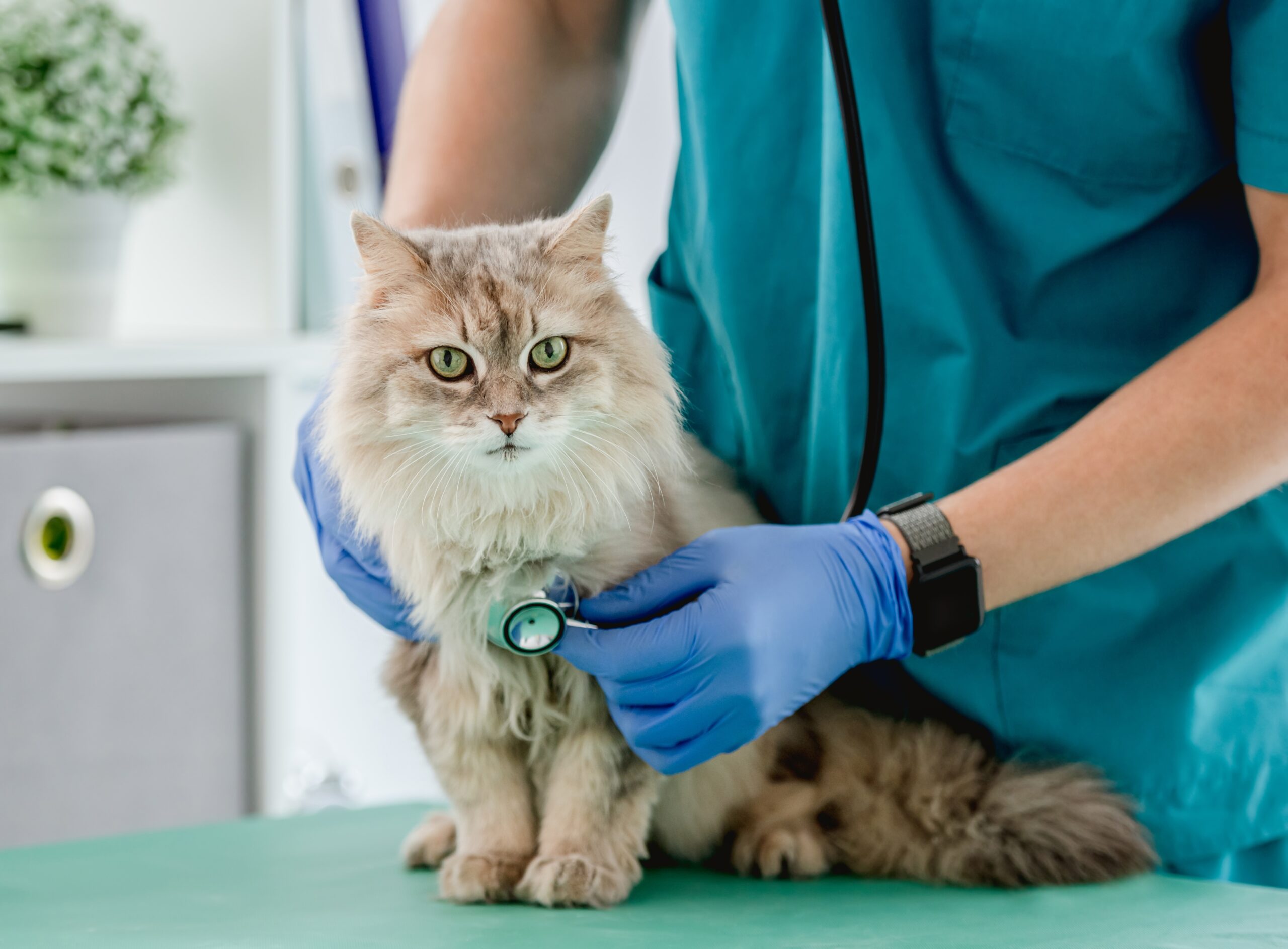
Heart disease is one of the most common and most overlooked health conditions in dogs and cats. Because pets can’t tell us when something feels wrong, the early warning signs often go unnoticed until the condition has already advanced. That’s why veterinarians in Charlotte emphasize the importance of routine wellness exams and proactive cardiac screening to catch heart disease early, when treatment is most effective.
Why Early Detection of Heart Disease Matters
The heart is one of the hardest-working organs in your pet’s body and when it starts to struggle, the impact is felt everywhere. Heart disease in pets can develop slowly over months or even years, with subtle changes that are easy to miss at home.
When caught early, many forms of heart disease can be managed with medication, dietary adjustments, and lifestyle changes that significantly extend your pet’s quality and length of life. Left undetected, the same conditions can progress to congestive heart failure a far more serious and difficult-to-manage stage.
Early intervention isn’t just about adding years to your pet’s life. It’s about making sure those years are comfortable, active, and full of the moments you both love.
Common Early Signs of Heart Disease in Dogs and Cats
One of the challenges with heart disease is that early symptoms can mimic other conditions or appear so mild that pet owners attribute them to normal aging. Knowing what to watch for at home can make a meaningful difference.
In dogs, early signs often include a persistent soft cough (especially at night or after lying down), reduced tolerance for exercise, slightly labored breathing, and occasional episodes of weakness or fainting. Some dogs may also seem more tired than usual or lose interest in activities they previously enjoyed.
Cats tend to be even more subtle. You might notice your cat breathing faster than normal while resting, becoming less active, hiding more often, or losing weight gradually. Because cats are so skilled at masking discomfort, changes in behavior however small are worth mentioning to your veterinarian at the next visit.
How Veterinarians Diagnose Heart Conditions
When heart disease is suspected, veterinarians use a range of diagnostic tools to evaluate the heart’s structure and function. The process typically begins with a thorough physical exam, during which your vet will listen carefully to your pet’s heart for murmurs, irregular rhythms, or abnormal sounds.
From there, additional diagnostics may include chest X-rays to assess heart size and check for fluid in the lungs, an electrocardiogram (ECG) to measure the heart’s electrical activity, and an echocardiogram an ultrasound of the heart which gives your veterinarian a detailed, real-time look at how the heart is pumping. Blood and urine tests are also commonly used to evaluate organ function and rule out related conditions.
Together, these tools allow your veterinary team to build a complete picture of your pet’s cardiac health and determine the most appropriate course of action whether that’s ongoing monitoring, medication, or a referral to a specialist.
What to Expect During a Cardiac Evaluation
If your veterinarian recommends a cardiac evaluation, there’s no need to be alarmed the process is straightforward and designed with your pet’s comfort in mind. Most evaluations begin with a review of your pet’s health history and any symptoms you’ve observed at home.
Your veterinarian will perform a detailed physical exam, followed by any diagnostics deemed necessary based on your pet’s age, breed, and risk factors. Certain breeds such as Cavalier King Charles Spaniels, Doberman Pinschers, Maine Coons, and Ragdolls are genetically predisposed to specific heart conditions and may benefit from earlier or more frequent screening.
The visit is typically calm and low-stress. Most pets tolerate cardiac diagnostics well, and results from imaging and bloodwork can often guide your veterinarian toward a clear diagnosis within the same appointment.
Conclusion: Protecting Your Pet’s Heart Starts with Routine Care
Heart disease doesn’t always come with obvious warning signs but that doesn’t mean it can’t be found early. With the right diagnostics and a veterinarian who knows your pet’s health history, conditions that might otherwise go unnoticed can be identified and managed before they become serious. Veterinarians in Charlotte are equipped with the tools and expertise to monitor your pet’s cardiac health at every stage of life, giving you the peace of mind that comes from knowing your companion is truly well cared for.
At Rea Road Animal Hospital, we believe every pet deserves proactive, thorough care not just treatment when something goes wrong. Our team is here to partner with you in keeping your pet’s heart healthy for years to come.
At Rea Road Animal Hospital, we are committed to catching health concerns early and giving every pet the best possible chance at a long, healthy life. Book your pet’s wellness exam today and let our team provide the compassionate cardiac care your furry family member deserves. Schedule your appointment online.
Frequently Asked Questions
Q1. What are the most common types of heart disease in dogs and cats?
In dogs, most common form is mitral valve disease, which causes heart’s valve to weaken over time. In cats, hypertrophic cardiomyopathy (HCM) a thickening of heart muscle is most frequently diagnosed condition. Both can be detected early through routine screening and imaging.
Q2. How often should my pet have a cardiac checkup?
For most healthy adult pets, an annual wellness exam that includes listening to the heart is a good starting point. Senior pets or breeds predisposed to heart disease may benefit from more frequent evaluations, including echocardiograms every one to two years.
Q3. Can heart disease in pets be cured?
Most forms of heart disease in pets are not curable, but they are very manageable when caught early. Medication, dietary changes, and regular monitoring can significantly slow the progression of the disease and maintain your pet’s quality of life for years.
Q4. How do veterinarians screen for heart disease during a routine visit?
During a standard wellness exam, your veterinarian will use a stethoscope to listen for heart murmurs, irregular rhythms, or abnormal sounds. If anything unusual is detected, they may recommend follow-up diagnostics such as chest X-rays, an ECG, or an echocardiogram.
Q5. Should I be concerned if my vet detects a heart murmur?
Not necessarily many pets live for years with heart murmur and never develop serious complications. However, it is important to monitor condition closely. Veterinarian will recommend appropriate follow-up schedule and let you know if treatment or lifestyle changes are needed.

New Furry Friends Welcome.
Schedule a Same-Day or Next Day Visit!