When it comes to your pet’s health, early detection can make all the difference. Today’s animal hospital is equipped with cutting-edge diagnostic technology that allows veterinarians to identify illness before symptoms become serious giving your pet the best possible chance at a long, healthy life. At Rea Road Animal Hospital in Charlotte, advanced diagnostics are at the heart of the care we provide every day.
Why Early Detection Matters for Your Pet’s Health
Pets are experts at hiding pain and discomfort. By the time your dog or cat shows obvious signs of illness, the condition may already be well advanced. This is why routine wellness visits paired with modern diagnostic tools are so important they give veterinarians the ability to catch problems early, when treatment is most effective and least invasive.
Early detection also tends to help reduce long-term treatment costs for pet owners. Treating a condition in its early stages typically requires less intervention than managing a disease that has progressed significantly. Preventive diagnostics are one of the smartest investments you can make in your pet’s long-term wellbeing.
The good news is that veterinary medicine has advanced dramatically in recent years. The tools available at a modern animal hospital today rival what was once only possible in human hospitals, bringing higher standards of care to our furry family members.
Advanced Imaging: Seeing What the Eye Can’t
One of the most powerful tools available at a modern animal hospital is advanced imaging technology. Digital X-rays allow veterinarians to get clear, detailed views of your pet’s bones, joints, and internal organs within minutes. Unlike traditional film X-rays, digital imaging produces sharper results and exposes your pet to significantly less radiation.
Ultrasound is another invaluable diagnostic tool. It allows vets to visualize soft tissues, organs, and even blood flow in real time without any incisions or sedation in many cases. Ultrasound is especially useful for detecting abnormalities in the heart, liver, kidneys, bladder, and reproductive system.
For more complex cases, some animal hospitals also have access to CT scans and MRI technology, either in-house or through referral partners. These advanced imaging tools provide three-dimensional views of your pet’s internal structures and are particularly valuable for identifying tumors, spinal issues, and neurological conditions.
In-House Laboratory Testing: Fast Results, Faster Action
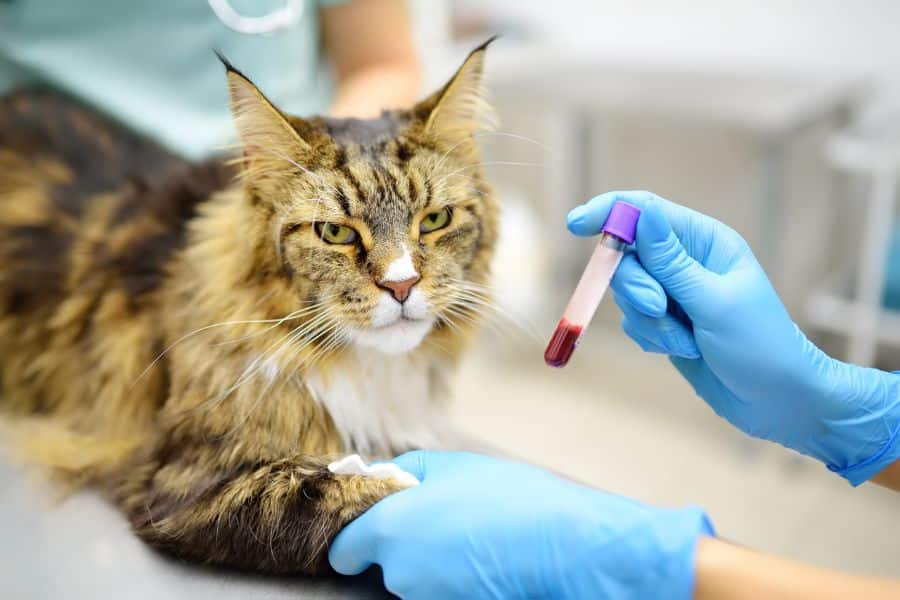
Speed is critical when pet is unwell. In-house laboratory capabilities allow animal hospital to run blood panels, urinalysis, fecal tests, and more right on-site delivering results in minutes rather than days. This means veterinarian can begin forming diagnosis and treatment plan during same appointment, rather than asking you to wait anxiously at home.
Complete blood count (CBC) and comprehensive metabolic panels are among the most common in-house tests. These screenings can reveal a wide range of conditions, including anemia, infection, diabetes, kidney disease, liver dysfunction, and hormonal imbalances. Many of these conditions show no outward symptoms in their early stages, making lab work an essential part of every wellness visit.
Cytology and fine needle aspirates can also be analyzed in-house in many cases, allowing vets to quickly assess lumps, bumps, or skin abnormalities and determine whether further action is needed. This kind of rapid turnaround gives pet owners peace of mind and helps avoid unnecessary delays in care.
Cardiac and Dental Diagnostics: Often Overlooked, Always Important
Heart disease is one of the most common conditions affecting older pets, yet it often goes undetected until it has progressed significantly. Modern animal hospitals use electrocardiograms (ECGs) and digital chest X-rays to evaluate heart rhythm, size, and function. When caught early, many forms of cardiac disease in pets can be managed effectively with medication and lifestyle changes.
Dental disease is another frequently underestimated health issue. Studies suggest that the majority of pets over three years old have some degree of dental disease, which can lead to pain, tooth loss, and even systemic infections affecting heart and kidneys. Advanced dental X-rays allow veterinarians to see below gumline, where most dental disease actually occurs something that is impossible to assess with visual exam alone.
Routine cardiac and dental evaluations are core part of comprehensive wellness care at quality animal hospital in Charlotte. These screenings do not just protect your pet’s mouth and heart they protect their overall quality of life.
What to Expect During a Diagnostic Wellness Visit
A diagnostic wellness visit typically begins with a thorough physical examination, during which your veterinarian assesses everything from your pet’s weight and coat condition to their eyes, ears, and lymph nodes. Based on your pet’s age, breed, and health history, your vet will then recommend appropriate diagnostic screenings.
For younger, healthy pets, this might include a basic blood panel and urinalysis. For senior pets or those with known health conditions, a more comprehensive workup may be recommended including imaging, cardiac evaluation, or specialized testing for conditions common in their breed.
The visit is designed to be as stress-free as possible for your pet. Many modern animal hospitals have taken steps to create low-stress environments, and staff are trained in gentle handling techniques. The goal is not just to gather data, but to give your pet a positive experience so they’re comfortable returning for care throughout their life.
Conclusion: Proactive Care Starts with the Right Diagnostics
The ability to detect illness before it becomes serious is one of the greatest gifts modern veterinary medicine offers pet owners. Whether it’s a subtle change in bloodwork, an early-stage heart murmur, or a dental issue hiding below the gumline, today’s diagnostic tools give veterinarians in Charlotte the ability to act early and act decisively.
At Rea Road Animal Hospital, we believe every pet deserves access to advanced, compassionate care. Our state-of-the-art diagnostic capabilities are designed to give you answers, give your pet relief, and give your whole family peace of mind. Don’t wait until your pet is showing symptoms schedule a comprehensive wellness visit and let our team put modern diagnostics to work for your pet.
At Rea Road Animal Hospital in Charlotte, we are committed to using the latest diagnostic technology to keep your pet healthy at every stage of life. Book your pet’s wellness visit today and give them the proactive care they deserve.
Frequently Asked Questions
Q1. How often should my pet have diagnostic bloodwork done?
For healthy adult pets, annual bloodwork is generally recommended as part of routine wellness exam. Senior pets typically those over seven years old benefit from twice-yearly panels, since age-related conditions can develop quickly. Your veterinarian at your animal hospital will recommend right schedule based on your pet’s individual needs.
Q2. Are diagnostic procedures like X-rays and ultrasounds safe for pets?
Yes, the diagnostic imaging used at modern animal hospitals is considered very safe. Digital X-rays use a fraction of the radiation of older film-based systems, and ultrasound uses sound waves with no radiation at all. Sedation is only used when necessary to keep your pet still and comfortable during the procedure.
Q3. What signs should prompt me to bring my pet in for diagnostics sooner?
Any sudden change in behavior, appetite, energy level, or bathroom habits warrants a prompt visit to your animal hospital. Other warning signs include excessive thirst, unexplained weight loss or gain, lumps or bumps, difficulty breathing, limping, or vomiting and diarrhea that lasts more than 24 hours.
Q4. Can an animal hospital detect cancer early through diagnostics?
Yes, many forms of cancer in pets can be detected early through a combination of bloodwork, imaging, and cytology. Routine wellness screenings increase the chances of catching abnormalities before they become advanced. Early detection significantly improves treatment outcomes for many types of cancer in both dogs and cats.
Q5. What is the difference between a wellness exam and a diagnostic visit?
Wellness exam is routine check-up focused on prevention and health maintenance. Diagnostic visit is typically prompted by specific concern or symptom and involves targeted testing to identify cause. Many animal hospitals, including Rea Road Animal Hospital, incorporate baseline diagnostics into wellness visits to catch issues proactively before symptoms appear.


New Furry Friends Welcome.
Schedule a Same-Day or Next Day Visit!