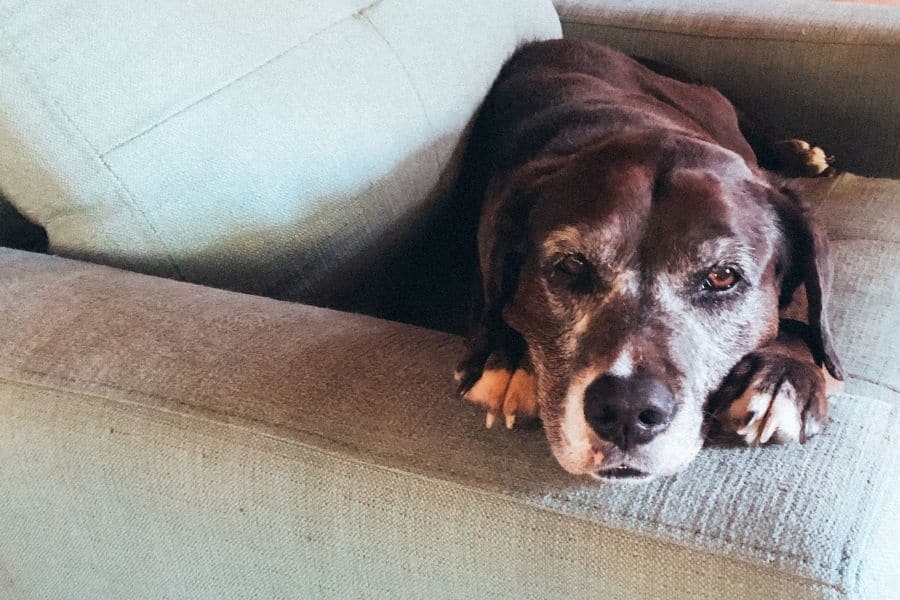
Watching a beloved pet grow older is a rewarding experience, but it also brings a unique set of challenges. As dogs and cats enter their golden years, their bodies change, their immune systems weaken, and they become more vulnerable to sudden medical issues. When a senior pet experiences an unexpected shift in health, it can be incredibly stressful for a pet parent.
Navigating these sudden changes requires swift action and specialized medical attention. Access to dedicated urgent pet care ensures that aging companions receive prompt evaluation, pain management, and tailored treatment plans when time is of the essence. Understanding how these specialized veterinary services support older animals can make all the difference in maintaining their comfort and quality of life.
The Vulnerability of Aging Companions
As pets age, their ability to bounce back from minor illnesses diminishes. A condition that a young adult dog might fight off easily can quickly escalate into a serious situation for a senior pet. Organs like the kidneys, heart, and liver lose efficiency over time, meaning sudden symptoms often point to deeper, interconnected health shifts.
Furthermore, senior pets are masters at hiding discomfort. Due to natural survival instincts, dogs and cats frequently mask chronic pain or early stages of illness. By the time a pet parent notices a visible change—such as sudden lethargy, a refusal to eat, or difficulty standing—the underlying issue may have already progressed significantly. This is why immediate professional assessment is so vital for older animals.
Common Sudden Health Changes in Senior Pets
Recognizing the signs of an acute health shift allows you to seek help before a condition deteriorates further. Older pets frequently experience sudden symptoms that require targeted veterinary intervention.
Sudden Mobility Loss or Weakness
It is common for older dogs and cats to slow down gradually due to arthritis. However, a sudden inability to stand up, weakness in the hind legs, or a total loss of balance (often caused by vestibular disease) requires rapid medical evaluation. A veterinary team can quickly assess whether the cause is neurological, musculoskeletal, or related to a cardiovascular event.
Severe Gastrointestinal Distress
While an occasional upset stomach can happen at any age, prolonged vomiting or severe diarrhea in an aging animal can lead to rapid, dangerous dehydration. Senior pets have lower fluid reserves, and electrolyte imbalances can quickly impact their organ function, making swift fluid therapy and medication necessary.
Respiratory Distress or Heavy Panting
If an older pet suddenly starts panting heavily while at rest, breathing with an open mouth, or displaying a blueish tint on their gums, it indicates a lack of oxygen. This can stem from underlying heart conditions, fluid accumulation, or respiratory infections that require immediate stabilization.
How Urgent Pet Care Benefits Senior Animals
When an aging pet faces a sudden health downturn, waiting days for a routine appointment isn’t always a viable option. Dedicated veterinary clinics equipped for acute cases offer distinct advantages for older patients.
Advanced Diagnostic Capabilities
Determining the root cause of a sudden symptom in a senior pet requires specialized tools. Modern clinics utilize on-site diagnostics such as digital radiography, ultrasound, and rapid blood chemistry panels. These tools allow veterinarians to check kidney function, liver enzymes, and blood sugar levels within minutes, leading to a faster, more accurate diagnosis.
Tailored Pain Management and Stabilization
Older pets often have pre-existing conditions like chronic kidney disease or arthritis, which means standard medications may not be safe for them. A veterinary team specializing in acute care knows how to choose medications that alleviate pain and stabilize the animal without placing undue stress on compromised organs.
Navigating Age-Related Medical Decisions
When an older pet faces a sudden health crisis, the medical focus often shifts from long-term cures to immediate comfort, pain relief, and quality of life. Veterinarians assist families by providing clear, compassionate guidance during these emotional moments. They help interpret diagnostic results, discuss prognosis realistically, and outline treatment pathways that prioritize the animal’s comfort above all else.
Having professional support during these critical times empowers pet parents to make informed, loving decisions that respect the dignity of their senior companions.
Keeping Your Golden-Aged Pet Safe
Being prepared is the best approach to managing the health of an aging pet. Keep a detailed log of your pet’s daily habits, including their appetite, water intake, and mobility levels. Having this baseline data helps you notice subtle shifts before they become major issues.
Additionally, keep the contact information of a trusted local veterinary clinic easily accessible so you know exactly who to call if an unexpected health change occurs.
If you are from Charlotte and looking for urgent pet care to support your aging companion through an unexpected health change, finding a dedicated team that understands senior pet needs is essential for peace of mind.
Rea Road Animal Hospital provides compassionate, comprehensive veterinary services designed to keep your beloved companions healthy and comfortable through every stage of life.
Our team is ready to assist you with scheduling your pet’s next visit. Please utilize our online booking platform to secure a convenient time for your companion’s wellness evaluation.
For immediate assistance or to speak directly with our veterinary staff regarding your senior pet’s current health needs, please call our team at 704-544-6313.
Q1. What constitutes a sudden health change in a senior pet that requires prompt attention?
Ans: A sudden health change includes any abrupt shift from your pet’s normal behavior or physical capabilities. Examples include a sudden inability to walk, severe lethargy, persistent vomiting, labored breathing, or sudden disorientation. Because older pets decline more rapidly than younger ones, these signs warrant immediate veterinary assessment.
Q2. Can a sudden behavior change in an older cat or dog indicate pain?
Ans: Yes, sudden behavior changes are primary indicators of pain or discomfort in senior pets. If a normally gentle pet suddenly snaps, hides, cries out when touched, or becomes unusually restless, they may be experiencing acute pain from an underlying medical condition that requires a professional evaluation.
Q3. Why is dehydration more dangerous for senior pets experiencing illness?
Ans: Older pets have a lower percentage of body water and often live with underlying, compensated organ issues like early-stage kidney disease. When they experience vomiting or diarrhea, they lose fluids rapidly. This sudden dehydration can quickly push a stable organ system into acute failure, making prompt fluid therapy crucial.
Q4. How do diagnostics for senior pets differ during an acute health event?
Ans: Diagnostics focus heavily on checking organ reserve and function. Because senior pets often have multiple co-existing conditions, veterinarians utilize rapid blood tests, digital X-rays, and ultrasounds to look at the big picture, ensuring any treatment prescribed doesn’t inadvertently harm another organ system.
Q5. What can I do at home to prepare for a sudden health change in my senior pet?
Ans: You can prepare by maintaining a folder with your pet’s recent medical history, current medications, and baseline lab results. Keep a pet first-aid kit on hand and save the contact numbers for your primary veterinarian and the nearest veterinary clinic equipped for acute care in your phone.

New Furry Friends Welcome.
Schedule a Same-Day or Next Day Visit!