Welcoming a loyal dog into your home brings an endless source of joy, tail wags, and comforting companionship. From cozy evenings relaxing on the living room sofa to energetic walks exploring local parks, our canine companions truly become cherished members of our families. As devoted pet parents, we spend a great deal of time ensuring our dogs eat high-quality nutrition, receive regular exercise, and stay up to date on wellness routines. However, one vital area of pet care that many owners accidentally overlook or delay is at-home dental hygiene.
While professional veterinary cleanings performed under anesthesia are crucial for managing deep-seated plaque and tartar below the gumline, daily upkeep is the golden standard for maintaining oral health between clinical visits. Many owners struggle or give up entirely because they do not know how to train their dog to accept a toothbrush without a daily wrestling match. Plaque accumulation leads quickly to tartar, gingivitis, and painful periodontal disease, which can eventually impact vital organs like the heart, kidneys, and liver. Implementing a stress-free, positive-reinforcement routine transforms teeth cleaning from a stressful chore into an enjoyable bonding experience.
Here at Rea Road Animal Hospital in Charlotte, our clinical team frequently guides local pet parents through simple ways to protect their dogs’ smiles. Let us walk through a practical, step-by-step acclimation process using pet-safe enzymatic toothpaste.
Understanding Why Canine Dental Care Matters
Dental disease is one of the most common medical conditions diagnosed in adult dogs, yet it is also largely preventable. When your dog eats, food particles and bacteria mix with saliva to form a sticky film known as plaque. If plaque is not brushed away regularly, minerals in the saliva harden it into rough tartar within just a few days.
Tartar irritates the gum tissue, causing inflammation, bleeding, painful infections, and eventual tooth root damage. Beyond the obvious issue of chronic bad breath, untreated dental disease allows harmful bacteria to enter the bloodstream and potentially damage major internal organs. Committing to a consistent home dental routine protects your dog from unnecessary pain and reduces the frequency or intensity of professional cleanings required down the road. Furthermore, proactive attention to dog dentistry helps your canine companion maintain a comfortable, pain-free bite throughout every life stage.
Selecting the Right Tools for Your Dog
Success in canine dental hygiene relies heavily on using the proper equipment designed specifically for dogs. Human toothpaste is entirely unsuitable and potentially toxic for pets because it contains high levels of fluoride, foaming agents, and artificial sweeteners like xylitol, which can cause severe poisoning in dogs.
When shopping for supplies, look for products tailored for canine users:
- Pet-Safe Enzymatic Toothpaste: Choose formulated animal toothpastes that feature dog-friendly flavors like poultry, beef, or peanut butter. These enzymatic formulas work chemically to break down plaque even if your brushing technique is imperfect, making them part of the best toothpaste and toothbrush for dogs available on the market.
- Dual-Head Toothbrushes or Finger Brushes: For small dogs or beginners, a silicone finger brush offers gentle tactile control. For medium and large breeds, a dual-headed toothbrush with soft bristles cleans multiple tooth surfaces simultaneously.
- Gradual Introduction Tools: Keep plenty of high-value treats nearby to reward calm behavior throughout every stage of the training process.
Step-by-Step Acclimation Guide for Beginners
Rushing straight toward your dog’s mouth with a strange plastic stick and unfamiliar paste is the quickest way to cause panic. Dogs need time to process new sensations through positive reinforcement. Taking things slow ensures your dog remains comfortable and cooperative.
Follow this progressive multi-week training framework outlined in every reliable getting dog used to teeth brushing guide:
- Phase One (Taste Testing): Put a small pea-sized amount of pet-safe poultry toothpaste on your finger and let your dog lick it off. Repeat this for several days until your dog eagerly licks the paste when offered.
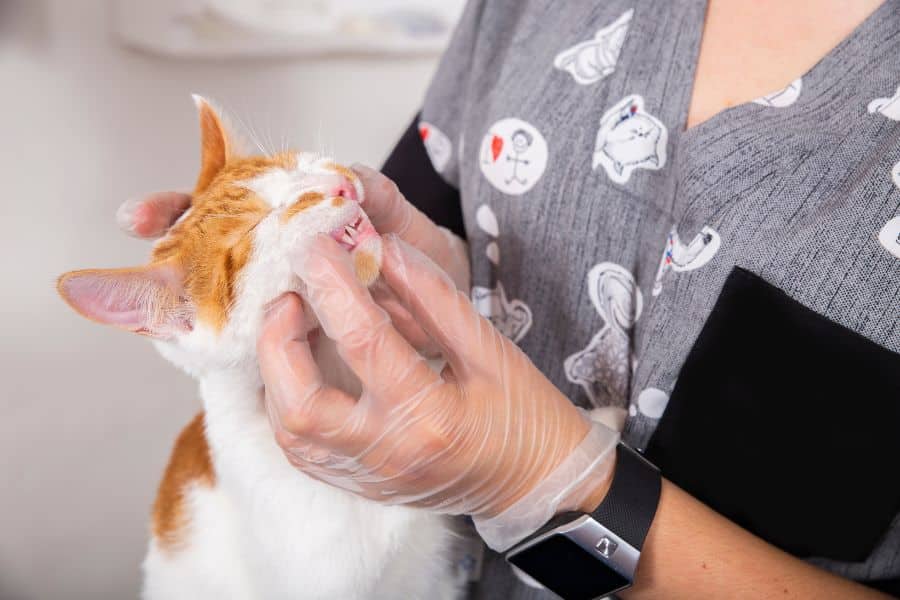
- Phase Two (Mouth Touching): Gently lift your dog’s lips and touch their teeth and gums with your finger while praising them softly and offering a tasty treat immediately afterward. Keep sessions short and positive.
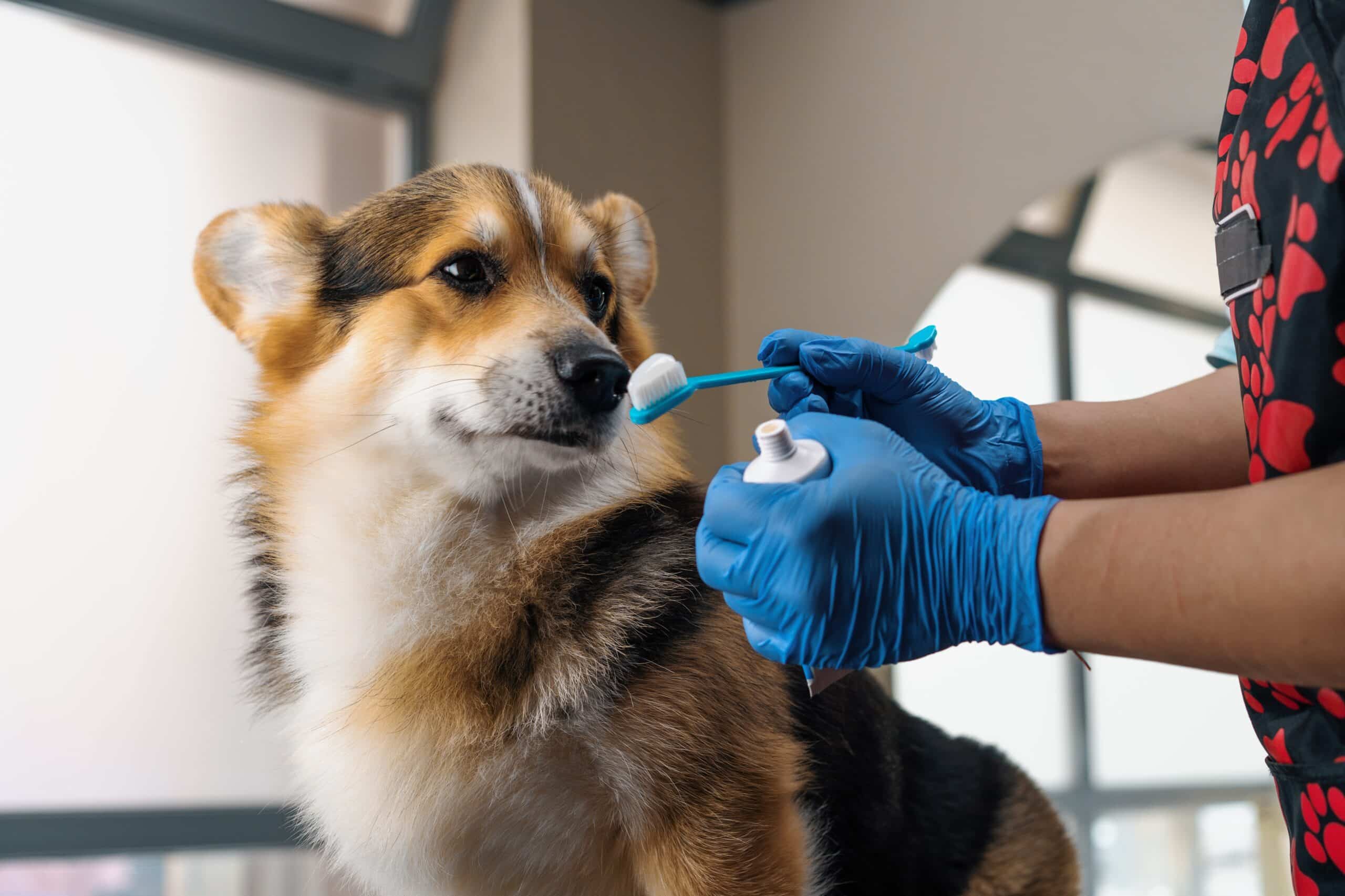
- Phase Three (Introducing the Brush): Apply the toothpaste to the toothbrush or finger brush and let your dog lick the paste directly off the bristles. This teaches them that the brush itself predicts a delicious reward.
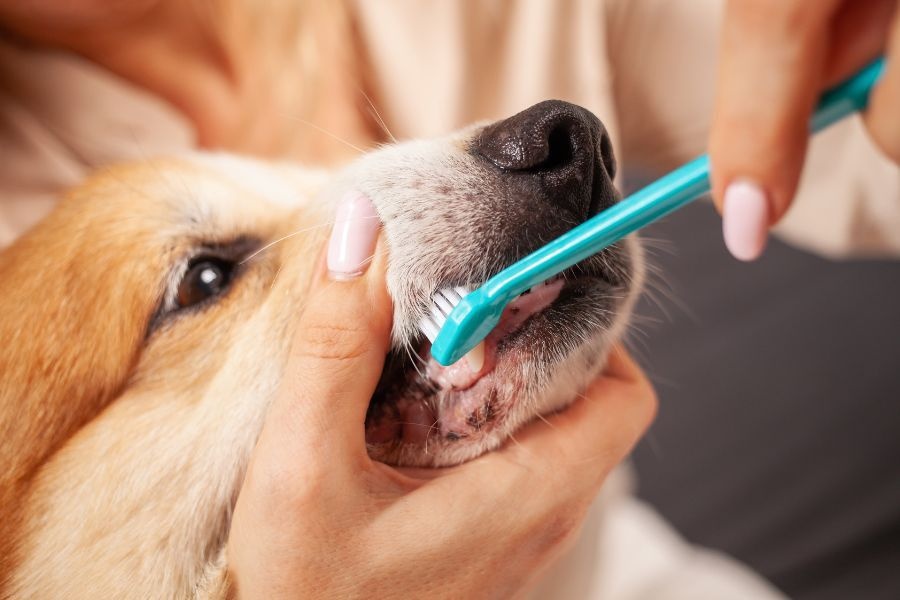
- Phase Four (Gentle Brushing): Start by brushing just the outer surface of the front canine teeth using small, gentle circular motions. Limit the initial session to just five to ten seconds, gradually expanding backward toward the molars over several weeks.
Overcoming Common Obstacles and Maintaining Consistency
Consistency is the ultimate secret to successful long-term oral care. Even if you can only manage a few seconds of brushing every other day initially, building the habit matters far more than achieving perfection on day one.
If your dog pulls away or acts resistant, take a step back to the previous phase of training. Never force or punish your dog during dental routines, as fear will only make future sessions harder. Pair every successful brushing session with praise, playtime, or a healthy dental chew. Local pet owners utilizing expert canine oral hygiene tips Charlotte pet owners trust frequently discover that establishing a fixed daily cue, such as brushing right after an evening walk, turns the activity into a predictable part of your dog’s routine.
Partnering with Your Local Charlotte Animal Care Team
Navigating your companion’s healthcare journey is always easier when you have a dedicated group of professionals supporting your family. Blending diligent at-home brushing with routine veterinary evaluations ensures your dog maintains a bright, healthy smile for life.
The staff at Rea Road Animal Hospital loves welcoming local pet families through our doors in Charlotte. Whether you want to evaluate your dog’s current oral health, discuss preventive wellness plans, or schedule a professional dental evaluation, our experienced team is here to help.
Ready to give your dog the gift of optimal health? Schedule your appointment online today through our convenient booking platform and let us partner in your pet’s ongoing care!
Frequently Asked Questions
Q1. Why can I not use human toothpaste when brushing my dog’s teeth?
Ans: Human toothpaste contains ingredients like fluoride and xylitol that are toxic to dogs, and its foaming agents can cause gastrointestinal upset if swallowed.
Q2. How often should I brush my dog’s teeth at home to prevent tartar buildup?
Ans: Daily brushing is the gold standard for optimal oral health, though brushing three to four times a week can still significantly reduce plaque accumulation.
Q3. What should I do if my dog aggressively resists letting me touch their mouth?
Ans: Slow down the training process significantly, return to basic positive reinforcement steps with tasty food pastes, and never force the brush to avoid creating lifelong fear.
Q4. Do dental chews and water additives completely replace the need for brushing?
Ans: While dental chews and water additives help support fresh breath and mild plaque control, manual brushing remains the only proven way to mechanically scrub plaque off the gumline.
Q5. When is it time to schedule a professional dental cleaning at the veterinary clinic?
Ans: You should schedule a professional evaluation if you notice persistent bad breath, heavy yellow-brown tartar, swollen gums, or any reluctance during eating.

New Furry Friends Welcome.
Schedule a Same-Day or Next Day Visit!