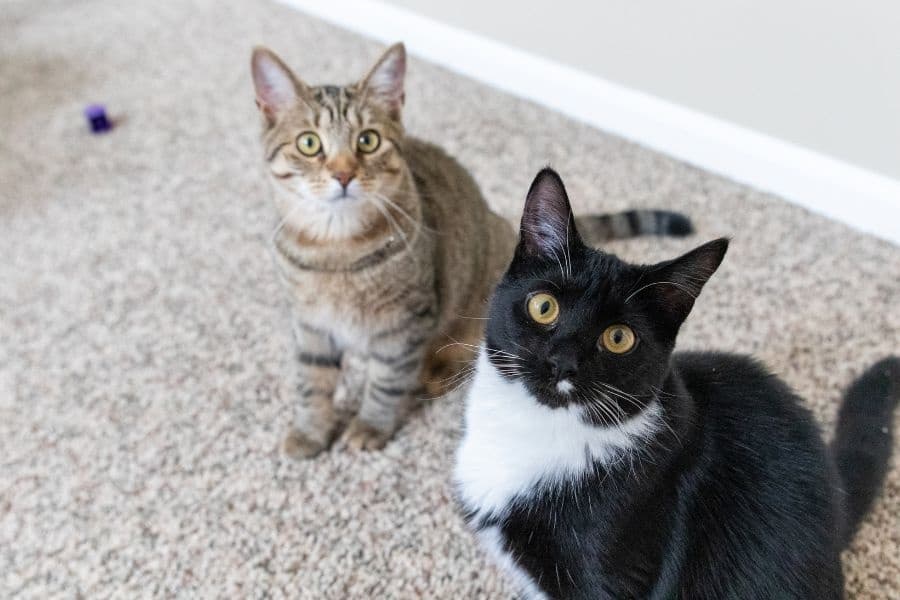
Every pet owner knows that sinking feeling when a beloved dog or cat starts acting strangely out of nowhere. One moment they are playing happily, and the next they are lethargic, refusing their favorite treat, or limping after a walk. In those uncertain moments, a common dilemma arises: should you monitor the situation at home or seek immediate professional help? Knowing when to take action is critical to protecting your companion’s health and comfort.
Choosing to utilize urgent vet care when unexpected symptoms arise bridges the gap between routine wellness visits and severe crisis care. Prompt evaluation ensures that developing medical issues are caught early, relieving discomfort and preventing minor health shifts from becoming complex problems. For families in Charlotte, learning how to recognize subtle warning signs empowers you to make confident decisions for your pet’s well-being.
The Risks of the “Wait and See” Approach
It is natural to hope that a pet’s minor symptom will simply resolve on its own overnight. Because animals possess an evolutionary instinct to mask weakness and pain, outward physical symptoms often appear only after an underlying issue has already progressed.
Waiting too long to address sudden health shifts can lead to several challenges:
- Dehydration and Metabolic Stress: Bouts of digestive upset quickly drain bodily fluids, placing extra strain on kidney and liver function.
- Escalating Pain Levels: Unmanaged soft tissue injuries, joint sprains, or ear infections cause unnecessary suffering and heighten anxiety.
- Secondary Bacterial Infections: Minor surface cuts or torn nails exposed to environmental dirt can rapidly develop localized infections.
- Increased Treatment Complexity: Conditions addressed in their earliest stages typically require simpler therapies than those left untreated for days.
Common Scenarios: Deciding When Urgent Pet Care Is Necessary
To help you determine whether your companion needs prompt medical attention, it helps to categorize common symptoms based on their severity and persistence.
Gastrointestinal Distress
A single skipped meal or isolated episode of mild stomach upset can often be monitored for a few hours. However, if your pet experiences continuous vomiting, persistent diarrhea, or complete refusal to drink water for more than twelve to twenty-four hours, professional care is necessary to prevent severe fluid loss.
Minor Physical Trauma and Sudden Limping
If a dog steps awkwardly off the porch or a cat lands heavily and begins limping, an evaluation is recommended. While minor muscle strains may rest off, visible swelling, reluctance to bear weight, or vocalizing in pain indicate the need for fast relief and diagnostic imaging.
Skin Irritations, Hives, and Sudden Scratching
Insect bites, contact with irritating plants, or acute allergic flare-ups can cause sudden facial swelling, red skin patches, or frantic biting at the paws. Prompt medical support halts the allergic response and prevents self-inflicted skin damage.
Eye and Ear Discomfort
Squinting, tearing, pawing at an eye, or severe head shaking usually signal painful inflammation, foreign debris, or localized infection. Because delicate eye tissues and ear canals can suffer long-term damage quickly, prompt evaluation is always the safest choice.
How Prompt Evaluation Protects Long-Term Health
When you seek urgent vet care for an acute health change, veterinary professionals utilize swift, targeted protocols to evaluate your pet’s condition.
- In-House Diagnostic Testing
- On-site blood chemistry panels
- Digital X-ray evaluation
- Microscopic skin and ear screens
- Targeted Therapeutic Interventions
- Subcutaneous or intravenous fluid support
- Fast-acting anti-nausea and pain medications
- Custom recovery plans tailored to your pet’s needs
By relying on fast diagnostic turnaround times, veterinary teams can treat the exact cause of your pet’s symptoms immediately, putting them on the fastest path back to comfort and vibrant health.
Making Informed Decisions for Pets in Charlotte
Navigating pet parenthood requires constant attention to your companion’s daily routines, energy levels, and behavioral subtle changes. Trusting your instincts when something feels off is often the best guide.
If you are from Charlotte and looking for urgent vet care, accessing timely support ensures your pet receives compassionate, experienced attention right when they need it most.
Knowing you have a dedicated clinical team ready to support your family during unexpected health changes brings true peace of mind. Protecting your companion’s health means taking action when it matters most, ensuring they continue to live a happy, active life by your side.
When your pet displays unexpected symptoms or sudden changes in behavior, scheduling a prompt medical evaluation can help them feel better quickly. You can easily reserve a convenient time for your companion to be seen by our medical staff by using our online booking portal.
If your dog or cat is actively experiencing uncomfortable symptoms and you would like to speak directly with our clinical team before arriving, please call our team at 704-544-6313 so we can assist you immediately.
Our compassionate staff looks forward to providing exceptional care for your family at Rea Road Animal Hospital.
Frequently Asked Questions
Q1. How can I tell if my dog’s limping requires prompt medical attention or just rest?
If your dog can bear weight on the leg and shows no visible swelling or distress, short-term rest may be appropriate. However, if they refuse to put weight on the limb, cry out when moving, or exhibit noticeable joint swelling, you should seek prompt medical evaluation to rule out ligament damage or hairline fractures.
Q2. What should I do if my pet eats a small amount of a foreign substance?
If you suspect your pet ingested a foreign item, non-food object, or unusual plant, contact a veterinary professional immediately rather than waiting for digestive symptoms to start. Early assessment allows clinicians to evaluate potential toxicity or blockage risks and provide appropriate preventive treatments before systemic complications develop.
Q3. Is sudden lethargy in a senior pet a reason to seek prompt care?
Yes. Senior pets have lower physical reserves, meaning sudden lethargy or withdrawal can indicate acute pain, metabolic shifts, or organ strain. Because aging animals can decline rapidly during health dips, getting a swift diagnostic assessment helps identify underlying causes early and restores their comfort.
Q4. Why is persistent diarrhea dangerous for small dogs and cats?
Small dogs and cats have limited body mass and water reserves. Persistent diarrhea rapidly drains essential fluids and vital electrolytes like sodium and potassium, leading to acute dehydration, weakness, and low blood pressure. Prompt fluid therapy restores metabolic balance and prevents secondary complications.
Q5. How can I safely transport an injured or uncomfortable pet to the clinic?
Keep your pet as calm and still as possible during transport. Place small dogs and cats in a secure, well-ventilated carrier lined with soft blankets. For larger dogs, support their hindquarters gently when helping them into the vehicle, keep the car environment quiet and cool, and avoid giving food or water on the way.


New Furry Friends Welcome.
Schedule a Same-Day or Next Day Visit!