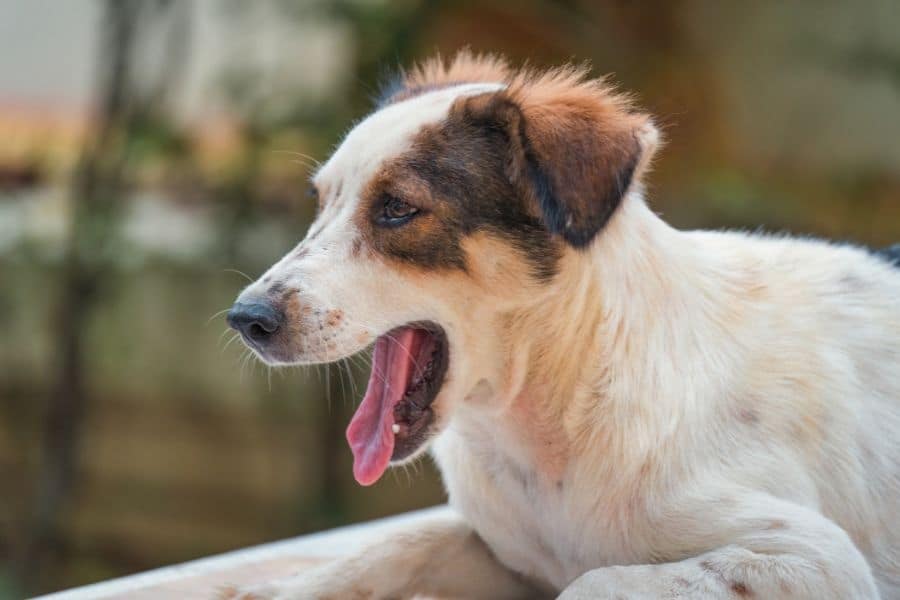
If your dog throwing up but otherwise acting happy, playful, and hungry, it is natural to feel confused. Many pet owners in Charlotte notice their dog vomiting once and then bouncing right back to normal, which can leave you wondering whether it is something to worry about. Understanding when dog vomiting is harmless and when it signals something that needs urgent vet care can help you make the right decision for your furry companion.
It is a common scene. Your dog throws up once, shakes it off, and goes right back to wagging their tail and asking for a walk. While this can be reassuring, it does not always mean everything is fine internally. Knowing the difference between a minor stomach upset and a sign of something more serious is the key to protecting your pet’s long term health.
Why Do Dogs Throw Up Even When They Seem Fine?
Dogs have sensitive digestive systems, and vomiting is one of the most common ways their bodies respond to irritation. Unlike people, dogs vomit fairly easily, which is actually a built in protective mechanism. A single episode does not always point to a serious problem.
Eating too quickly, swallowing air, or gulping down a large meal can trigger a dog to throw up shortly afterward. Some dogs also vomit after eating grass, which many pet parents notice during walks around the neighborhood. In most of these situations, the dog shows no other signs of illness and returns to their usual playful self within minutes.
Stress, excitement, or a sudden change in routine can also lead to an isolated vomiting episode. Because dogs cannot tell us how they feel, watching their behavior closely after they vomit is the best way to judge whether it was a one time event or the start of something bigger.
Common Causes of Dog Vomiting With No Other Symptoms
There are several everyday reasons a dog might vomit without showing additional symptoms. Dietary indiscretion, which simply means eating something they should not have, is one of the leading causes. This could be table scraps, spoiled food from the trash, or something found outdoors.
A sudden change in diet or a new brand of dog food can also upset your dog’s stomach. Even switching treats too quickly can cause mild irritation that leads to vomiting. Motion sickness during car rides is another frequent cause, especially in puppies or dogs who are not used to traveling.
Hairballs, especially in longer haired breeds, can occasionally cause a dog to throw up. Mild gastritis, or inflammation of the stomach lining, is another possibility and often resolves on its own within a day. In each of these cases, the dog typically continues to eat, drink, and play normally, which is why so many pet owners describe their dog as acting normal despite the vomiting.
When Occasional Vomiting Is Normal and When It Is Not
A single episode of vomiting, especially if your dog seems otherwise healthy, is usually not a reason for alarm. Many veterinarians consider one time vomiting with no other symptoms to be within the range of normal canine behavior, particularly if your dog is eating, drinking, and behaving as they always do.
However, patterns matter more than a single event. If dog vomiting happens more than once in a day, continues into a second day, or starts to occur regularly, this is a signal that something more significant may be happening. Repeated vomiting can lead to dehydration surprisingly fast, which is one reason it should never be ignored for too long.
Pay close attention to the color and content of the vomit as well. Clear or foamy vomit is often less concerning than vomit containing blood, bile, or undigested food hours after a meal. If you notice a change in your dog’s energy level, appetite, or bathroom habits alongside the vomiting, it is time to take a closer look.
What You Can Do at Home After a Single Vomiting Episode
If your dog throws up once and continues to act like themselves, there are a few simple steps you can take at home before deciding whether a visit is needed. Withholding food for a few hours, while still offering small amounts of water, allows the stomach to settle without added strain.
Once your dog seems ready to eat again, offering a bland meal such as plain boiled chicken and rice in small portions can be gentler on their digestive system than their regular food. Avoid giving treats, table scraps, or rich foods for the rest of the day, and keep an eye on how they respond over the next twelve to twenty four hours.
Keeping a mental note, or even a written log, of when the vomiting happened, what your dog ate beforehand, and how they behaved afterward can be extremely helpful. This information gives your veterinarian a clearer picture if the vomiting continues or if you decide urgent pet care is needed after all.
Signs That Mean Your Dog Needs Veterinary Attention
While an isolated episode of vomiting rarely calls for urgent vet care, certain warning signs should never be brushed aside. If your dog vomits repeatedly within a short period, appears lethargic, refuses food or water, or shows signs of a swollen or painful abdomen, it is time to contact your veterinarian right away.
Blood in the vomit, whether bright red or resembling coffee grounds, is always a reason to seek prompt veterinary evaluation. The same is true if you suspect your dog swallowed a toxic substance, a foreign object, or a large amount of a food that is unsafe for dogs, such as chocolate or grapes.
Puppies, senior dogs, and pets with existing health conditions are more vulnerable to complications from vomiting and dehydration. If your dog falls into one of these categories, it is wise to reach out sooner rather than later, even if the vomiting seems mild at first. Trusting your instincts as a pet owner goes a long way in catching problems early.
Keeping Your Dog Healthy in Charlotte
Understanding why your dog is throwing up but acting normal can bring peace of mind, but it should never replace professional guidance when something feels off. Most cases of occasional dog vomiting resolve on their own with rest and a bland diet, yet knowing the warning signs helps you recognize when urgent pet care becomes necessary.
At Rea Road Animal Hospital, our team in Charlotte helps pet owners tell the difference between a passing stomach upset and a condition that needs closer attention. Keeping track of your dog’s eating habits, energy level, and bathroom routine after a vomiting episode is one of the simplest ways to protect their long term wellbeing.
Schedule Your Dog’s Visit Today
If your dog’s vomiting has you feeling unsure, our team at Rea Road Animal Hospital in Charlotte is here to help. Schedule your appointment online today and let our veterinarians give your dog the thorough checkup they need for lasting peace of mind.
Frequently Asked Questions
Q1. Is it normal for a dog to throw up once and then act completely fine?
Ans: Yes, a single vomiting episode followed by normal eating, drinking, and playing is often harmless and can be caused by minor stomach upset, eating too fast, or grass consumption. If it happens again within a short time, it is worth monitoring closely.
Q2. How long should I wait before feeding my dog after they vomit?
Ans: Most veterinarians recommend withholding food for a few hours while still offering small sips of water, then reintroducing a bland diet like boiled chicken and rice once your dog seems ready.
Q3. What color of vomit should concern me the most?
Ans: Vomit containing blood, whether bright red or resembling coffee grounds, along with bile colored or dark vomit, should be taken seriously and evaluated by a veterinarian as soon as possible.
Q4. Can stress or anxiety cause a dog to vomit?
Ans: Yes, stress, excitement, and sudden changes in routine can trigger an isolated vomiting episode in dogs, especially in pets who are sensitive to changes in their environment or schedule.
Q5. When should I stop watching and wait and instead visit the veterinarian?
Ans: If vomiting continues for more than a day, happens more than once within a few hours, or is paired with lethargy, loss of appetite, or a swollen abdomen, it is time to schedule a veterinary visit rather than wait it out.
New Furry Friends Welcome.
Schedule a Same-Day or Next Day Visit!