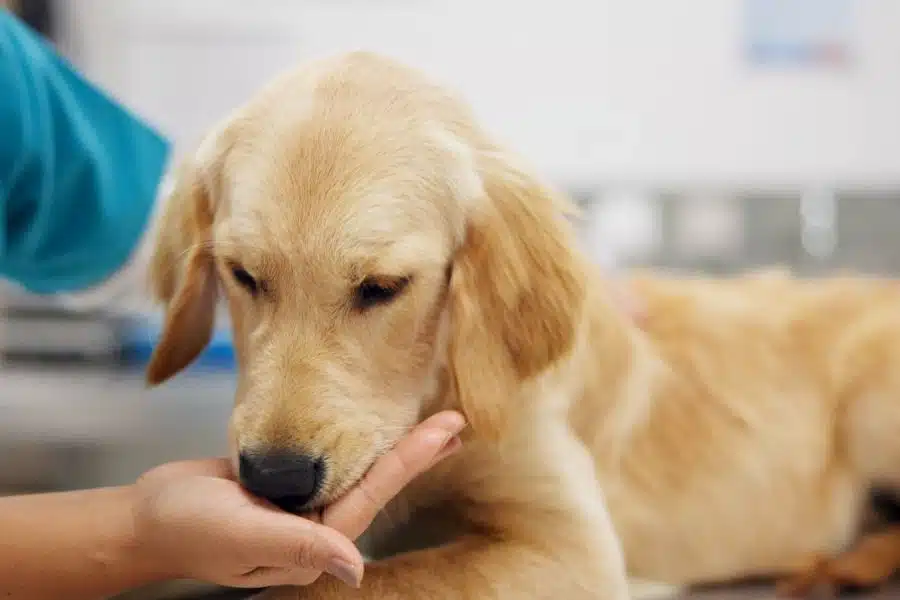
Active pets love to explore their surroundings, which means minor bumps, scrapes, and awkward landings are a routine part of life. Whether your dog misjudges a leap off the porch or your cat gets a claw caught in a favorite rug, small accidents happen in an instant. Most pet parents keep basic first aid supplies at home to manage tiny scratches or mild surface irritation. However, determining when a seemingly simple injury has crossed the line from a simple home fix to a condition requiring professional medical evaluation can be tricky.
Because dogs and cats instinctively hide physical pain, a injury that appears superficial on the surface can sometimes involve deeper tissue strain, joint misalignment, or hidden bacterial exposure. Seeking urgent pet care bridges the gap between routine wellness checkups and intensive hospital settings. It provides pet owners with rapid diagnostic answers and effective pain management for non-life-threatening injuries. For families living in Charlotte, knowing how to spot the subtle warning signs of a escalating injury ensures your companion receives fast relief before minor trauma leads to secondary complications.
Assessing Physical Trauma: Home First Aid vs. Clinical Care
Understanding whether a recent physical injury can be safely managed at home or requires intermediate medical evaluation comes down to careful observation of physical signs and movement patterns.
- At-Home First Aid (Safe for Initial Observation):
- Tiny, superficial surface scratches with zero active bleeding
- Minor, temporary paw sensitivity after running on hot pavement or rough terrain
- A single, minor scrape that remains clean and free of swelling
- Transient stiffness that resolves completely within an hour of quiet rest
- Clinical Urgent Care (Requires Prompt Evaluation):
- Persistent limping, refusal to bear weight on a leg, or visible joint swelling
- Deep cuts, puncture wounds, or torn skin edges that expose underlying tissue
- Torn or cracked nails bleeding from the quick or hanging loosely from the digit
- Insect stings causing sudden facial swelling, hives, or frantic, localized scratching
- Continuous head shaking, ear canal inflammation, or discharge following outdoor play
Hidden Hazards of Treating Minor Injuries at Home
It is natural to hope that a mild limp or small surface cut will heal on its own with rest. However, delaying professional care for physical trauma introduces several hidden medical risks.
Deep Tissue Infection and Trapped Bacteria
Puncture wounds from sharp garden debris, fence wires, or animal bites often look deceptive. The surface skin may seal over quickly, trapping environmental bacteria inside deeper muscle and tissue layers. Without sterile flushing and targeted antibiotics, trapped bacteria rapidly form painful abscesses under the skin.
Unmanaged Inflammation and Joint Damage
A soft tissue sprain or ligament strain left untreated allows joint inflammation to cascade. Persistent swelling damages cartilage over time, increases physical discomfort, and forces your pet to compensate by putting extra weight on healthy limbs, leading to secondary joint strain across the body.
Pain-Induced Behavioral Changes
Living with unresolved physical discomfort causes systemic stress. Unmanaged pain elevates blood pressure, suppresses the immune system, and can cause even the gentlest pets to grow protective, anxious, or irritable when touched near the injured area.
How Rapid Diagnostic Tools Accelerate Healing
When home remedies are not enough, seeking urgent vet care gives clinical teams access to advanced diagnostic tools that pinpoint the exact extent of an injury within minutes.
Diagnostic Precision at the Point of Care
- Digital Radiography: Delivers high-definition views of bone structures, joint alignments, and subtle hairline fractures that are impossible to detect by feel alone.
- In-House Laboratory Profiling: Monitors internal inflammatory markers and checks organ values before administering potent, pet-safe anti-inflammatory medications.
- Cytological Swabs and Skin Scrapings: Evaluates surface discharge or skin scrapings under a microscope to identify bacterial or fungal invaders immediately.
Combining instant diagnostic findings with professional wound care, sterile bandaging, and targeted pain relief stops discomfort at its source and puts your pet on the fastest path to complete recovery.
Supporting Active Companions in Charlotte
Keeping your companion healthy involves balancing outdoor fun with vigilant daily monitoring. Checking your pet’s paws, skin, and movement after outdoor activity allows you to catch minor issues before they disrupt your pet’s life.
If you are from Charlotte and looking for urgent vet care, taking prompt action when an injury occurs gives your pet the best opportunity for a swift, comfortable recovery.
Addressing physical injuries early preserves your animal’s long-term mobility, protects their overall health, and gives you total peace of mind as a pet parent.
When your pet exhibits unexpected physical injuries, sudden limping, or localized discomfort, securing a prompt clinical evaluation keeps their recovery moving in the right direction. You can schedule an online appointment through our portal to reserve a convenient time for your dog or cat to be examined by our medical team.
If your pet is actively experiencing an uncomfortable injury and you prefer to speak directly with our clinical staff before arriving, please call our team at 704-544-6313 so we can provide immediate guidance and prepare for your arrival.
Our compassionate medical staff looks forward to supporting your family and providing exceptional care at Rea Road Animal Hospital.
Frequently Asked Questions
Q1. Why is a torn or broken nail considered an injury that needs prompt clinical care?
Ans: A torn nail exposes the quick, which is rich in sensitive nerve endings and active blood vessels. Walking on an exposed quick causes severe, sharp pain and easily introduces bacteria directly into deeper tissues and bone structures. Professional trimming, thorough disinfection, and protective bandaging provide instant pain relief and stop spreading infections.
Q2. How can I tell if my pet’s limping is a simple sprain or a more serious injury?
Ans: A minor muscle tweak usually resolves with short rest. However, if your pet refuses to put any weight on the leg, vocalizes when moving, exhibits joint swelling, or continues limping past a few hours, a veterinary examination with digital imaging is required to check for torn ligaments, dislocations, or subtle fractures.
Q3. Are insect bites or stings safe to treat with home ice packs alone?
Ans: Ice packs offer temporary comfort for tiny bites, but stings from bees or spiders can trigger systemic allergic reactions. If you notice rapid facial swelling, hives, intense restlessness, or continuous scratching, your pet needs immediate clinical intervention with animal-safe medications to stop the allergic cascade before it affects their breathing.
Q4. Is it safe to apply over-the-counter human antibiotic ointments to a pet’s cut?
Ans: No. Pets instinctively lick topical creams off their skin, and ingesting human antibiotic ointments can cause severe gastrointestinal distress or toxicity. Additionally, thick ointments can seal harmful bacteria inside deep wounds. Professional cleaning and pet-safe, prescribed medications are far safer and more effective.
Q5. What steps should I take to keep my injured pet comfortable while traveling to the clinic?
Ans: Keep your vehicle quiet, cool, and well-ventilated. Move small dogs and cats into a padded, secure carrier lined with soft towels. For larger dogs with limb injuries, gently support their body with a folded blanket or sling while helping them into the car, and speak in calm, reassuring tones throughout the drive.

New Furry Friends Welcome.
Schedule a Same-Day or Next Day Visit!