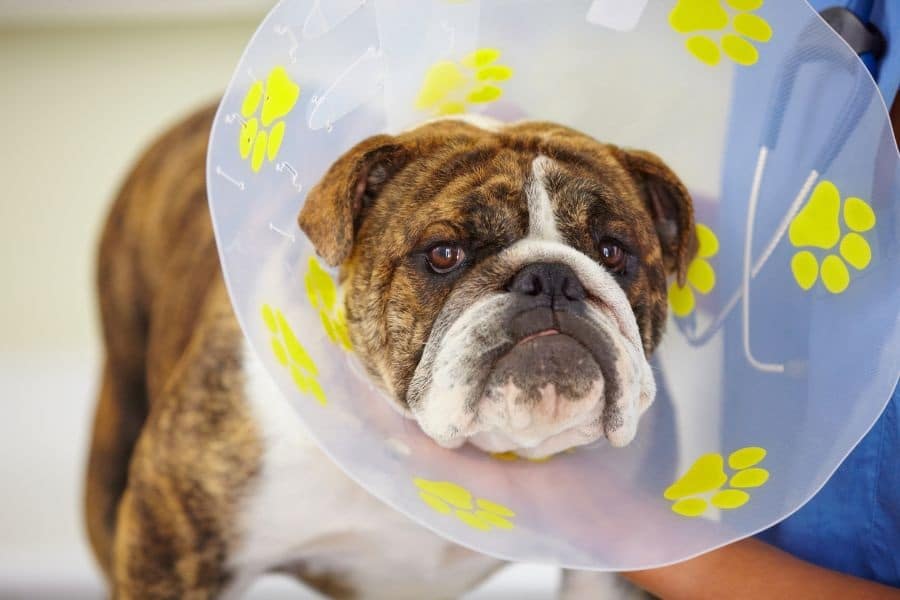
When people hear the term dog surgery, they may immediately think about procedures involving bones or joints. However, veterinary surgery also includes many procedures involving the skin, muscles, organs, blood vessels, and other soft tissues.
Soft tissue surgery can address a wide range of health concerns in dogs. Depending on the condition, surgery may involve removing an abnormal growth, repairing damaged tissue, treating an internal problem, or correcting a condition that affects normal body function.
Understanding what soft tissue surgery involves can help dog owners feel more prepared when a veterinarian recommends a procedure. At Rea Road Animal Hospital in Charlotte, dog surgical care can be planned around the dog’s specific condition, medical history, diagnostic findings, and overall health.
What Areas Are Considered Soft Tissue?
Soft tissue refers to structures that are not bones or joints. In veterinary surgery, this can include the skin, muscles, connective tissues, abdominal organs, and several internal structures.
Procedures involving the digestive system, urinary system, reproductive organs, skin, or certain internal organs may fall under soft tissue surgery.
The type of procedure depends on the problem being treated. A dog with a skin mass may require a very different surgical approach from a dog with an abdominal condition.
This wide range of procedures is why dog surgical care needs to be individualized rather than approached as one standard process.
Why Might a Dog Need Soft Tissue Surgery?
There are many reasons a veterinarian may recommend soft tissue surgery. Some procedures are performed to remove abnormal tissue, while others are intended to repair or restore normal function.
A growing mass or lump may require removal and laboratory evaluation. Certain abdominal conditions may require surgery when other treatment approaches are not appropriate. Injured or damaged soft tissue may also require surgical repair.
Some dogs may have conditions that develop gradually, while others may be identified during a routine examination or diagnostic evaluation.
The recommendation for surgery is based on the specific problem and the information available about the dog’s health.
How Veterinarians Determine Whether Surgery Is Appropriate
A recommendation for dog surgery generally begins with understanding the underlying problem. A veterinarian may perform a physical examination and review the dog’s medical history.
Diagnostic testing can provide additional information. Depending on the condition, this may include laboratory testing or imaging.
The veterinarian considers these findings along with the dog’s age, current health, medications, previous medical concerns, and the nature of the suspected condition.
In some cases, surgery may be the most appropriate treatment option. In other situations, monitoring, medication, or another approach may be considered.
The purpose of this evaluation is to make sure the surgical recommendation addresses the actual health concern rather than simply treating an isolated symptom.
Common Examples of Soft Tissue Procedures
Soft tissue surgery covers numerous procedures. One example is the removal of a mass or abnormal growth. The removed tissue may be submitted for laboratory analysis to provide additional information about its characteristics.
Abdominal procedures are another category. Depending on the diagnosis, a veterinarian may perform surgery involving the stomach, intestines, bladder, or other abdominal structures.
Some reproductive procedures also involve soft tissue structures. Wound repair, certain skin procedures, and treatment of damaged tissues can also require surgical intervention.
Because these procedures vary considerably, the preparation, surgical technique, and recovery process will depend on the individual procedure.
Why Diagnostic Testing Matters Before Surgery
Diagnostic testing can play an important role in planning dog surgery. A physical examination may identify an area of concern, but additional information may be needed before determining the appropriate surgical approach.
Blood testing can provide information about overall health and help identify factors that may influence surgical planning. Imaging can provide information about the location, size, or characteristics of an internal abnormality.
In some cases, previous test results can also be useful. Comparing older and newer findings may help the veterinarian understand how a condition has changed over time.
The information gathered before surgery helps create a more informed plan for the individual dog.
How a Dog’s Overall Health Can Affect Surgical Planning
Two dogs undergoing similar procedures may not have identical surgical plans. Their overall health can influence how the procedure is approached.
A dog’s age, weight, existing medical conditions, medications, and previous surgical history may all be relevant. Conditions involving the heart, kidneys, liver, breathing system, or other organs may require additional consideration.
The veterinarian may recommend additional testing or adjustments to the surgical plan based on these factors.
This individualized approach is an important part of responsible dog surgical care because the procedure must be considered in the context of the entire patient.
What Happens During Soft Tissue Surgery?
The details of surgery depend on the condition being treated. Before the procedure, the veterinary team prepares the dog and reviews the planned surgical approach.
During surgery, the veterinarian works carefully with the affected soft tissue while protecting surrounding structures. The goal is to address the identified problem while supporting proper healing.
The surgical team monitors the dog throughout the procedure. The specific monitoring approach depends on the dog’s condition and the type of surgery being performed.
After the procedure, the dog is observed during the initial recovery period before being discharged according to the veterinary team’s instructions.
What Should Owners Expect During Recovery?
Recovery is an important part of dog surgery. Even when a procedure goes smoothly, tissues need time to heal.
Your veterinarian may provide instructions regarding activity restrictions, medication, feeding, incision care, and follow-up appointments. These recommendations should be followed carefully.
Dogs may feel tired or behave differently immediately after surgery. Owners should provide a comfortable environment where the dog can rest without excessive activity.
Preventing licking, scratching, jumping, or other movements that could interfere with the surgical site may also be important.
Every dog recovers at a different pace, so follow-up guidance should be based on the individual procedure and the dog’s progress.
How Owners Can Prepare for Dog Surgical Care
Good preparation starts with communication. Tell the veterinarian about all medications, supplements, previous health concerns, and changes you have noticed in your dog’s routine.
Ask what you should do before the procedure and what you should prepare at home. It can also be helpful to ask about expected activity restrictions, incision care, medications, and follow-up visits.
Before bringing your dog home, make sure you understand the discharge instructions. Knowing what is expected during recovery can make it easier to identify changes that should be discussed with the veterinary team.
Why Follow-Up Care Matters
Surgery does not end when the procedure is complete. Follow-up care allows the veterinarian to evaluate healing and determine whether the recovery is progressing as expected.
Depending on the procedure, follow-up may involve checking the incision, assessing activity and comfort, reviewing laboratory results, or discussing additional treatment.
Owners should also continue observing their dog’s behavior at home. Changes in appetite, activity, bathroom habits, or the surgical site can provide useful information during recovery.
Consistent follow-up is an important part of complete dog surgical care.
Dog Surgical Care in Charlotte
Soft tissue surgery can involve many different procedures, from mass removal and wound repair to operations involving internal organs. While the procedures vary, careful planning, appropriate diagnostic evaluation, and attentive recovery care remain important throughout the process.
At Rea Road Animal Hospital in Charlotte, dog surgical care can be tailored to the individual patient. A veterinarian can review the dog’s condition, discuss diagnostic findings, explain the recommended procedure, and provide guidance for recovery.
If your dog has been diagnosed with a condition that may require surgery, discussing the available options with a veterinarian can help you understand the next steps.
Schedule an Appointment for Your Dog
If your dog has a new lump, persistent health concern, injury, or condition that may require surgical treatment, scheduling a veterinary appointment can help determine the appropriate course of care.
Contact Rea Road Animal Hospital to discuss your dog’s condition and schedule an appointment. Online booking can also provide a convenient way to request a visit and learn more about available dog surgical care.
Frequently Asked Questions
Q1. What is soft tissue surgery in dogs?
Ans: Soft tissue surgery involves procedures performed on structures such as the skin, muscles, connective tissues, abdominal organs, and other non-bony parts of the body.
Q2. What are some common reasons a dog may need soft tissue surgery?
Ans: Dogs may need soft tissue surgery for conditions such as abnormal masses, certain abdominal problems, damaged tissue, wounds, and other conditions where surgical treatment may be appropriate.
Q3. Does every dog need diagnostic testing before surgery?
Ans: The testing recommended before dog surgery depends on the procedure, the dog’s age and health, medical history, and the condition being treated. A veterinarian determines which evaluations are appropriate.
Q4. How can I help my dog recover after soft tissue surgery?
Ans: Follow the veterinarian’s instructions regarding activity, medication, feeding, incision care, and follow-up visits. Providing a quiet area for rest can also support recovery.
Q5. How long does recovery from soft tissue surgery take?
Ans: Recovery time varies according to the type of procedure, the dog’s overall health, and the tissues involved. Your veterinarian can provide more specific guidance based on your dog’s surgery.
Related Articles
New Furry Friends Welcome.
Schedule a Same-Day or Next Day Visit!