
If your dog has loose stools, gurgling tummy noises, or a habit of skipping meals, you know how stressful a sensitive stomach can be. Choosing the best dog food for sensitive stomachs can feel overwhelming with so many bags promising “gentle digestion.” At Rea Road Animal Hospital, we help Charlotte pet parents sort through these choices. This guide explains what to look for, which food types work best, and when it’s time to call your veterinarian.
Signs Your Dog Has a Sensitive Stomach
Occasional upset happens to every dog. Ongoing digestive trouble is different. Watch for:
- Frequent soft stools or diarrhea
- Vomiting or regurgitating food
- Excess gas or bloating
- Reduced appetite or picky eating
- Excessive licking, grass eating, or lip smacking
- Itchy skin or recurring ear problems (often linked to food sensitivities)
These signs can also point to parasites, infections, or other medical conditions, so a food change alone isn’t always the answer.
Why Charlotte Dogs Often Struggle With Digestive Issues
Life in the Queen City comes with some unique tummy triggers. Our humid summers mean food and water bowls spoil faster, and bacteria grow quickly in heat. Many Charlotte dogs also enjoy greenway walks, dog-friendly patios in South End and NoDa, and weekend trips to the park, where it’s easy to snag a dropped french fry or sip from standing water. Any of these can set off stomach upset or make an existing sensitivity worse.
Seasonal changes matter too. Pollen season here is intense, and environmental allergies can show up as digestive and skin symptoms at the same time.
What to Look for in Dog Food for Sensitive Stomachs
Not every “sensitive stomach” label means the same thing. Check the ingredient panel for these qualities:
1. A limited, high-quality protein source. Easily digestible proteins like chicken, turkey, fish, or lamb are common choices. Some dogs do better with a single protein.
2. Gentle, digestible carbohydrates. Rice, oatmeal, potatoes, and pumpkin are easier on many dogs than heavy fillers.
3. Prebiotics and probiotics. Ingredients like beet pulp, chicory root, and live cultures support healthy gut bacteria.
4. Moderate fat levels. Rich, fatty formulas can trigger diarrhea or pancreatitis in sensitive dogs.
5. Omega-3 fatty acids. Fish oil helps calm inflammation in the gut and skin.
6. No unnecessary additives. Artificial colors, flavors, and preservatives can be problem triggers.
Look for an AAFCO “complete and balanced” statement on the bag, and choose brands that employ veterinary nutritionists and run feeding trials.
Best Types of Dog Food for Sensitive Stomachs
Veterinary Therapeutic Diets
For dogs with chronic issues, prescription diets are often the most effective option. Examples include Hill’s Prescription Diet i/d, Royal Canin Gastrointestinal, and Purina Pro Plan Veterinary Diets EN. These are formulated and tested to treat specific digestive problems, and they require guidance from your vet.
Over-the-Counter Sensitive Stomach Formulas
For mild sensitivities, quality over-the-counter options such as Hill’s Science Diet Sensitive Stomach & Skin, Purina Pro Plan Sensitive Skin & Stomach, and Royal Canin Digestive Care can work well. These typically feature digestible proteins, prebiotic fiber, and balanced nutrients.
Limited-Ingredient Diets
If a food allergy is suspected, limited-ingredient diets use a single protein and carbohydrate to reduce possible triggers. They’re helpful during an elimination trial, but should be chosen with your vet’s input.
Fresh and Gently Cooked Foods
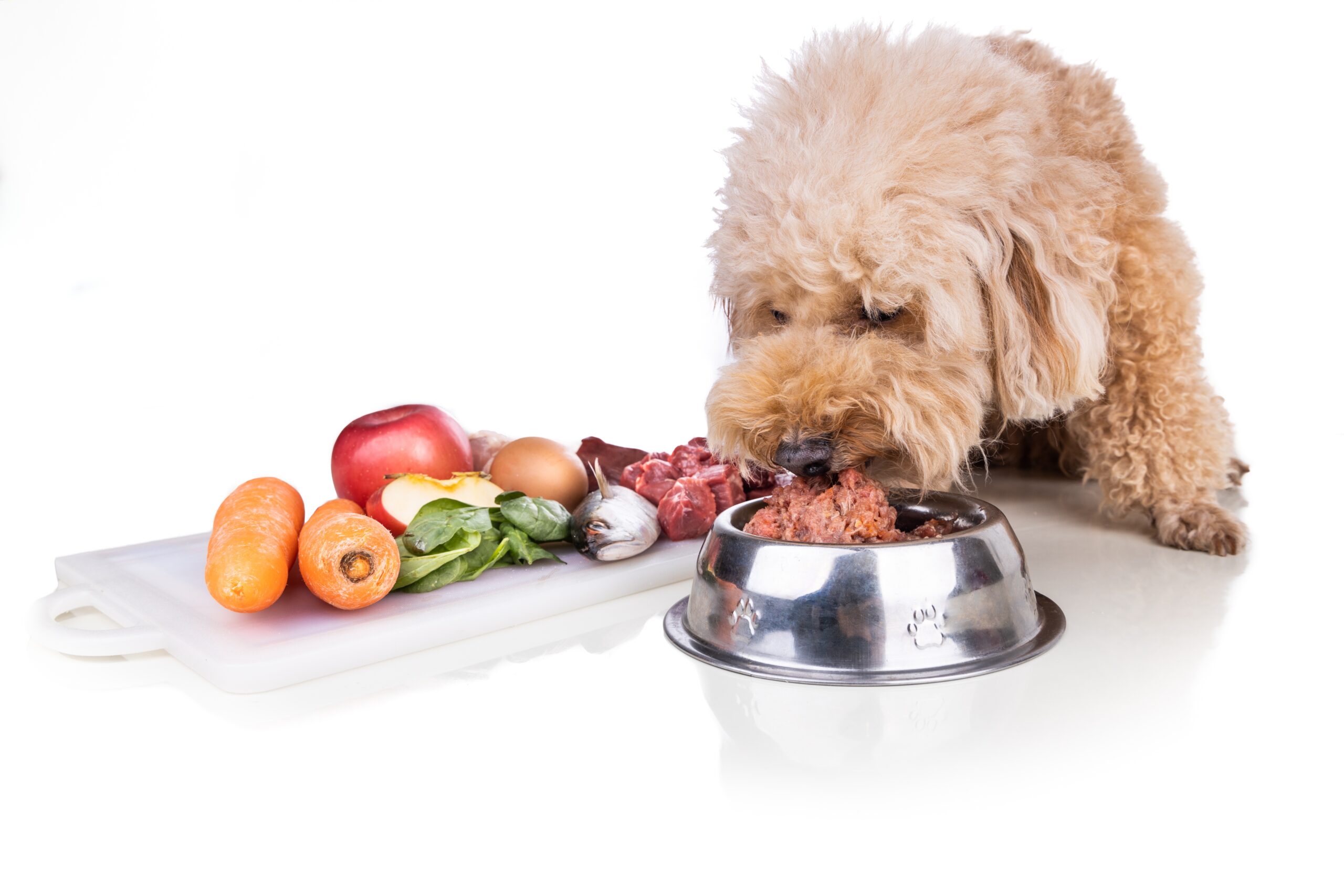
Fresh-cooked dog foods are rising in popularity because many dogs find them highly digestible and tasty. Just make sure the recipe is complete and balanced, and talk with your veterinarian before switching.
Wet or Canned Food
Canned food is often easier to digest, more palatable, and adds moisture, which is a plus in Charlotte’s warmer months. Many pet parents mix a little with kibble to entice picky eaters.
A Note on Grain-Free Diets
Grain-free isn’t automatically better for sensitive stomachs. The FDA has investigated a possible link between some grain-free diets and heart disease (DCM) in dogs. Unless your vet recommends it for a diagnosed reason, grain-inclusive diets are usually a safe choice.
How to Switch Your Dog’s Food Safely
Sudden changes can make digestive problems worse. Transition gradually over 7 to 10 days:
- Days 1-3: 25% new food, 75% old food
- Days 4-6: 50% new, 50% old
- Days 7-9: 75% new, 25% old
- Day 10: 100% new food
Go even slower if your dog is very sensitive. Keep treats simple during the switch, and avoid table scraps. Store kibble in a cool, airtight container, and wash bowls daily, especially during humid Carolina summers.
When to See a Veterinarian
Call your vet right away if your dog has:
- Vomiting or diarrhea lasting more than 24-48 hours
- Blood in the stool or vomit
- Lethargy, weakness, or a painful belly
- Weight loss or refusal to eat
- Symptoms in a puppy, senior dog, or dog with other health conditions
Persistent digestive trouble deserves a proper diagnosis. Your vet may recommend a fecal test, bloodwork, or a diet trial to find the true cause. Searching for vets near me is a good first step, but the right choice is a team that knows your dog’s history and builds a plan around it.
Let Rea Road Animal Hospital Help
Every dog’s digestion is different, and the best food for one may not suit another. Our veterinary team at Rea Road Animal Hospital will examine your pet, review their diet, and recommend a nutrition plan that supports long-term gut health. We proudly serve pet parents across Charlotte and the surrounding communities.
Is your dog struggling with an upset stomach? Schedule an appointment with Rea Road Animal Hospital today, and our experienced veterinarians will help your best friend feel better, one meal at a time.
Frequently Asked Questions
Q1. What is the best dog food for sensitive stomachs?
Ans: There’s no single best food for every dog. Look for easily digestible proteins, moderate fat, prebiotics, and probiotics. Your veterinarian can recommend either a vet-formulated sensitive stomach diet or a prescription diet based on your dog’s needs.
Q2. How long does it take for a new dog food to help a sensitive stomach?
Ans: Many dogs show improvement within 2 to 4 weeks of a gradual transition. If symptoms continue or worsen, see your vet to rule out other conditions.
Q3. Is wet or dry food better for sensitive stomachs?
Ans: Both can work. Wet food is often more palatable and easier to digest, while dry food is convenient and supports dental health. A mix of both works well for many dogs.
Q4. Can I give my dog probiotics along with sensitive stomach food?
Ans: Yes, in many cases. Dog-specific probiotics can support gut health, but always ask your vet for product and dosage recommendations first.
Q5. When should I take my dog to a veterinarian for stomach problems?
Ans: See a vet if vomiting or diarrhea lasts more than 48 hours, or sooner if you notice blood, lethargy, dehydration, or severe pain. Puppies and senior dogs should be seen quickly.
Related Articles
New Furry Friends Welcome.
Schedule a Same-Day or Next Day Visit!