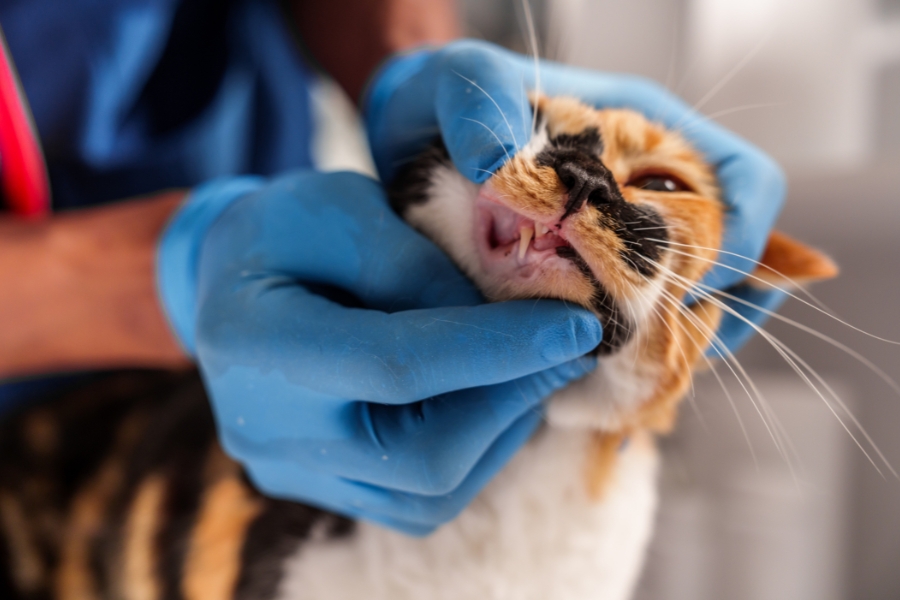
Cats are experts at hiding discomfort. Even when something feels wrong, they often continue their daily routine without obvious signs. However, dental problems are among the most common yet overlooked health issues in cats. Poor oral health can lead to pain, infection, and serious complications that affect the entire body. Understanding why dental hygiene matters can help you protect your cat’s comfort, longevity, and quality of life.
As a responsible pet owner, paying attention to your cat’s oral health is not optional—it is essential. Dental disease does not develop overnight. Instead, it starts quietly and worsens over time. Without proper care, small dental issues can turn into painful conditions that impact eating, behavior, and overall wellness. This guide is designed to help local pet parents make informed decisions, especially those caring for cats in Charlotte , NC.
Understanding Dental Disease in Cats
Dental disease begins when plaque forms on the surface of the teeth. Over time, plaque hardens into tartar, which irritates the gums. As a result, inflammation develops and bacteria begin to multiply. If left untreated, this process leads to gingivitis, periodontal disease, and even tooth loss.
Moreover, bacteria from the mouth can enter the bloodstream. Consequently, vital organs such as the heart, liver, and kidneys may become affected. Therefore, dental disease is not just a mouth problem—it is a whole-body health concern.
Common Signs of Dental Problems in Cats
Because cats instinctively hide pain, dental disease often goes unnoticed until it becomes severe. Still, there are warning signs you should never ignore.
For example, bad breath is often the first indicator of oral issues. Additionally, cats may show reluctance to eat, drop food while chewing, or favor one side of the mouth. Some cats also paw at their face or groom less frequently. In advanced cases, you may notice red or bleeding gums, loose teeth, or visible tartar buildup.
Behavioral changes can also occur. A normally affectionate cat may become withdrawn or irritable. Since these signs can be subtle, regular veterinary checkups are critical for early detection.
Why Dental Health Affects Your Cat’s Overall Well-Being
Healthy teeth and gums allow your cat to eat comfortably and maintain proper nutrition. When dental pain interferes with eating, weight loss and nutritional deficiencies may follow. Over time, this weakens the immune system and reduces your cat’s ability to fight illness.
In addition, chronic oral infections place continuous stress on the body. As bacteria circulate through the bloodstream, they can damage internal organs. Consequently, untreated dental disease can shorten your cat’s lifespan.
This is why cat dental care plays a crucial role in preventive health. Addressing dental issues early helps protect not only your cat’s mouth but also their entire body.
At-Home Dental Care for Cats
While professional cleanings are essential, daily care at home also makes a difference. Establishing a dental routine early in life can significantly reduce plaque buildup.
First, brushing your cat’s teeth is the most effective method. Use a veterinarian-approved toothbrush and toothpaste designed specifically for cats. Human toothpaste should never be used, as it can be toxic. Start slowly and reward your cat with praise to build positive associations.
Additionally, dental treats and specially formulated diets can support oral health. These products help reduce plaque mechanically while your cat chews. However, they should complement brushing, not replace it.
Professional Dental Cleanings: What to Expect
Even with excellent home care, professional cleanings remain necessary. During a veterinary dental procedure, your cat is placed under anesthesia. This allows the veterinarian to clean above and below the gumline thoroughly.
X-rays are often taken to assess tooth roots and detect hidden problems. If damaged or infected teeth are found, extractions may be recommended to relieve pain and prevent further complications. Although anesthesia can sound intimidating, modern veterinary protocols prioritize safety and monitoring.
Routine professional cleanings are a cornerstone of cat dental care and help ensure long-term health.
How Often Should Cats Receive Dental Checkups?
Most cats benefit from an annual dental examination. However, some cats may require more frequent cleanings depending on their age, breed, and overall health. Senior cats, in particular, face a higher risk of dental disease and may need closer monitoring.
Your veterinarian can recommend a personalized dental care schedule based on your cat’s specific needs. Early intervention always leads to better outcomes.
The Importance of Preventive Veterinary Care
Preventive care saves cats from unnecessary pain and helps pet parents avoid costly treatments later. When dental disease is caught early, treatment is simpler and less invasive. Regular wellness visits also give veterinarians the opportunity to educate owners and adjust care plans as cats age.
For local pet owners, having a trusted veterinary partner makes all the difference. In Charlotte , NC, access to professional veterinary dental services ensures cats receive consistent and compassionate care.
Dental health is a vital part of your cat’s overall wellness. From preventing pain to protecting internal organs, proper oral care supports a longer, healthier life for your feline companion. Daily at-home routines combined with professional veterinary cleanings provide the best protection against dental disease.
If you are in Charlotte and looking for a cat dental care, don’t hesitate to book an appointment with Rea Road Animal Hospital today. Our veterinary team is committed to keeping your cat comfortable, healthy, and smiling for years to come.
FAQs
Q1. Why is dental health important for cats?
Ans. Dental health is important because oral infections can cause pain, difficulty eating, and bacteria that may spread to vital organs like the heart and kidneys.
Q2. What are early signs of dental problems in cats?
Ans. Early signs include bad breath, reduced appetite, drooling, red gums, and subtle behavior changes such as irritability or hiding.
Q3. How often should a cat’s teeth be checked by a veterinarian?
Ans. Most cats should have their teeth checked at least once a year during routine wellness exams. Some cats may need more frequent evaluations.
Q4. Can dental disease affect my cat’s overall health?
Ans. Yes. Untreated dental disease can lead to systemic infections that impact major organs and weaken the immune system over time.
Q5. Is brushing my cat’s teeth safe and effective?
Ans. Yes, brushing with cat-specific toothpaste is safe and one of the most effective ways to reduce plaque and prevent gum disease when done regularly.
Q6. Do all cats need professional dental cleanings?
Ans. Yes. Even with good home care, professional cleanings are necessary to remove tartar below the gumline and detect hidden dental issues.

New Furry Friends Welcome.
Schedule a Same-Day or Next Day Visit!