
If your dog is experiencing arthritis pain, you’re not alone. Arthritis is a common condition in dogs, especially as they age, and it can cause significant discomfort. The good news is that there are effective treatments available to help manage arthritis pain and improve your dog’s quality of life. One of the most promising treatments is pet laser therapy, a non-invasive, drug-free option that promotes healing and alleviates pain. This blog, especially for Charlotte dog owners, will guide you through how pet laser therapy can provide relief for your dog’s arthritis pain and improve their mobility and comfort. If you’re in the Charlotte area and considering laser therapy for your dog, you’ll find all the information you need right here.
What is Arthritis in Dogs?
Arthritis is an inflammatory condition that affects the joints, causing pain, swelling, and stiffness. It typically occurs when the cartilage that cushions the joints breaks down, leading to friction between the bones. This condition can develop in any joint in the body, but it most commonly affects the hips, knees, elbows, and shoulders of dogs.
As dogs age, they are more likely to develop arthritis, but it can also occur in younger dogs due to injury, genetics, or other underlying health conditions. The symptoms of arthritis in dogs can range from mild to severe and may include:
- Difficulty standing up or lying down
- Lameness or limping
- Decreased activity or reluctance to play
- Stiffness, especially after rest
- Difficulty climbing stairs or jumping
- Licking or chewing the affected joint
If you notice any of these signs in your dog, it’s essential to consult with a veterinarian to determine the cause of the pain and discuss treatment options. One of the most effective non-invasive treatments for arthritis pain is pet laser therapy.
What is Pet Laser Therapy?
Pet laser therapy, also known as cold laser therapy or low-level laser therapy (LLLT), is a non-invasive treatment that uses light energy to promote healing and reduce pain in injured or arthritic tissues. This therapy works by delivering concentrated light energy to the affected area, stimulating cells to repair damaged tissues and improve circulation. The process helps to alleviate inflammation, reduce pain, and speed up the healing process.
The laser light used in this therapy is typically in the red or near-infrared spectrum, which penetrates the skin and reaches deep into the tissues. The light energy is absorbed by the cells, which then produce more energy (ATP) to help with the healing process. In arthritic joints, this helps to reduce inflammation, increase blood flow, and promote the production of collagen, which is essential for repairing damaged cartilage and tissues.
How Laser Therapy Helps Manage Arthritis Pain in Dogs
Laser therapy offers a range of benefits for dogs suffering from arthritis. Some of the key advantages include:
1. Pain Relief
One of the most significant benefits of pet laser therapy is its ability to reduce pain. The light energy penetrates deep into the tissues, where it triggers a natural pain-relieving effect. This is particularly important for dogs with arthritis, as the therapy helps to reduce inflammation in the affected joints, which directly alleviates pain. Many dogs experience immediate pain relief after a laser therapy session, leading to improved mobility and overall comfort.
2. Reduced Inflammation
Arthritis is characterized by inflammation in the joints, which contributes to pain, stiffness, and decreased mobility. Pet laser therapy helps to reduce inflammation by promoting the production of anti-inflammatory molecules and increasing blood flow to the affected area. This not only helps to alleviate pain but also improves joint function and allows your dog to move more freely.
3. Improved Joint Mobility
Arthritis can make it difficult for dogs to move around freely, especially after rest or during colder weather. Pet laser therapy stimulates the cells in the joint to repair damaged tissues, including cartilage. By increasing collagen production and promoting tissue regeneration, laser therapy helps improve joint mobility and flexibility. Over time, this can significantly enhance your dog’s ability to move, jump, and play without discomfort.
4. Faster Healing and Regeneration
For dogs with arthritis, pet laser therapy can speed up the healing process in the affected joints. The therapy stimulates the production of ATP (adenosine triphosphate), which is the energy source for cells. This accelerates cell regeneration and helps repair damaged tissues in the joints, including cartilage and ligaments. This regenerative effect not only helps reduce pain but also promotes long-term healing and improved joint function.
5. Non-Invasive and Safe
Unlike surgery or medications, pet laser therapy is a non-invasive and safe treatment option. The therapy does not require anesthesia, and there are minimal side effects. Most dogs tolerate the treatment very well, and the sessions are typically short and painless. This makes it an excellent option for dogs that may not be good candidates for more invasive treatments, especially senior dogs or those with underlying health conditions.
6. No Side Effects
Unlike some medications that may have potential side effects, pet laser therapy is a drug-free treatment option. This is particularly beneficial for dogs who may have sensitivities to medication or those who are on long-term pain management. Laser therapy offers effective pain relief without the risks of adverse reactions, making it an ideal choice for managing chronic conditions like arthritis.
What to Expect During a Pet Laser Therapy Session
If you decide to pursue pet laser therapy for your dog’s arthritis, here’s what you can expect during a session:
- Preparation: Your veterinarian will clean the area to be treated and ensure your dog is comfortable. Laser therapy is non-invasive, so no sedation is required.
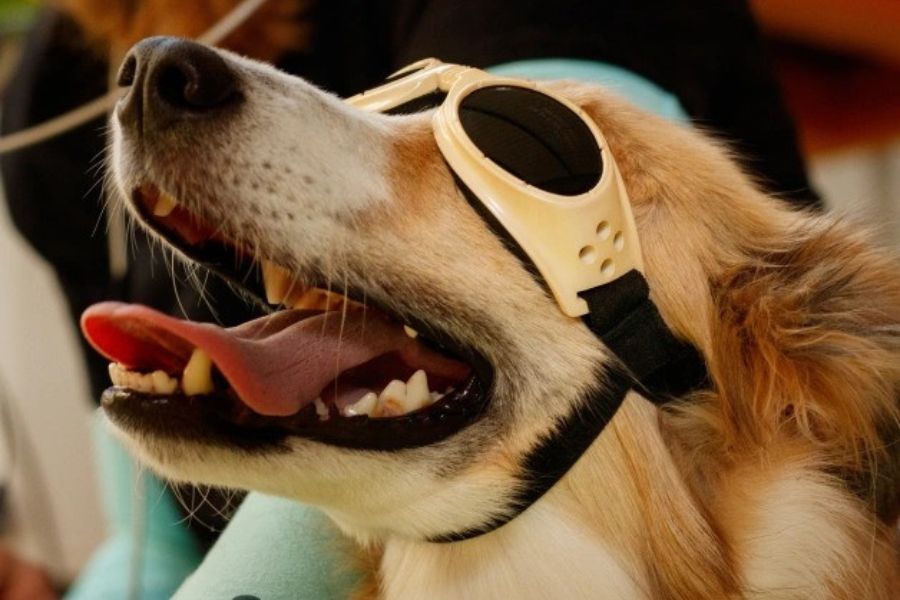
- Treatment: The laser device will be positioned over the affected joint or area. The laser light will penetrate the skin and reach the underlying tissues. Your dog may feel a warm sensation, but the treatment is painless.
- Duration: Each session typically lasts between 10 to 15 minutes, depending on the size of the area being treated.
- Frequency: Your veterinarian will determine the frequency of treatments based on your dog’s condition. Initially, treatments may be scheduled two to three times a week, with less frequent sessions as your dog’s condition improves.
If your dog is suffering from arthritis pain, pet laser therapy can provide effective pain relief, reduce inflammation, and improve joint mobility. This non-invasive, drug-free treatment option is a safe and natural way to manage arthritis symptoms and enhance your dog’s quality of life. If you’re in Charlotte, NC, and looking for pet laser therapy near you, schedule an appointment with Rea Road Animal Hospital. Our veterinary team is dedicated to providing the best care for your dog, and we’re here to help manage your pet’s arthritis pain and improve their comfort. Contact us today to learn more about our pet laser therapy services and how we can help your dog live a more active, pain-free life.
FAQs
Q1. What is pet laser therapy?
Ans. Pet laser therapy is a non-invasive treatment that uses light energy to reduce pain, inflammation, and promote healing in tissues affected by arthritis or injury.
Q2. How does laser therapy help with arthritis in dogs?
Ans. Laser therapy reduces inflammation, increases blood flow, promotes tissue regeneration, and provides pain relief, helping to improve joint mobility and comfort.
Q3. Is laser therapy safe for dogs?
Ans. Yes, pet laser therapy is safe and non-invasive. It has minimal side effects and is well-tolerated by most dogs, including senior pets or those with underlying health issues.
Q4. How long do laser therapy sessions last?
Ans. Each session typically lasts between 10 to 15 minutes, depending on the size of the area being treated.
Q5. How many sessions of laser therapy does my dog need?
Ans. The number of sessions will depend on the severity of your dog’s arthritis. Initially, treatments may be scheduled two to three times a week, with adjustments as needed.
Q6. Can pet laser therapy replace medication for arthritis?
Ans. While pet laser therapy can significantly reduce pain and inflammation, it may be used alongside medication for optimal results, depending on your dog’s condition. Always consult with your veterinarian for the best treatment plan.

New Furry Friends Welcome.
Schedule a Same-Day or Next Day Visit!