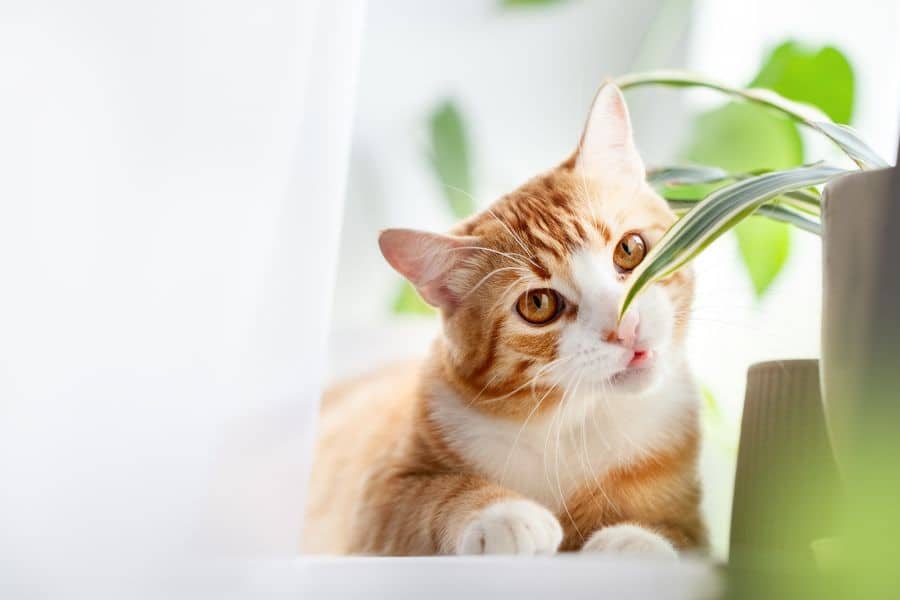
Many cat owners believe that keeping their feline companions indoors automatically protects them from most health problems. While indoor cats generally face fewer risks than outdoor cats, they are not immune to illness, chronic disease, or age-related health concerns. In fact, many conditions that affect indoor cats develop gradually and may go unnoticed until they become more advanced. This is why Cat Preventative Care remains an essential part of responsible pet ownership.
For cat owners in Charlotte, understanding the importance of routine wellness visits and preventive healthcare can help ensure indoor cats enjoy healthier and longer lives.
Why Indoor Cats Are Not Risk-Free
Living indoors certainly reduces exposure to hazards such as traffic, wildlife encounters, and environmental dangers. However, indoor cats can still develop a variety of medical conditions that affect their quality of life.
Common health concerns seen in indoor cats include:
- Obesity
- Dental disease
- Arthritis
- Kidney disease
- Diabetes
- Heart conditions
- Thyroid disorders
- Urinary tract issues
Many of these conditions develop silently, making routine veterinary monitoring an important part of lifelong health management.
Understanding the Importance of Cat Preventative Care
The goal of cat preventative care is to identify potential health concerns before they become serious. Preventive veterinary medicine focuses on early detection, routine monitoring, nutritional guidance, and overall wellness assessments.
Regular preventive care allows veterinarians to:
- Monitor physical health
- Detect early signs of disease
- Track weight changes
- Evaluate dental health
- Assess mobility and comfort
- Recommend age-appropriate screenings
By identifying concerns early, veterinarians can often create more effective treatment plans that support better long-term outcomes.
Routine Wellness Exams Help Detect Hidden Problems
Cats are known for hiding signs of discomfort. Even when they are experiencing pain or illness, many cats continue behaving normally.
Physical Examinations Matter
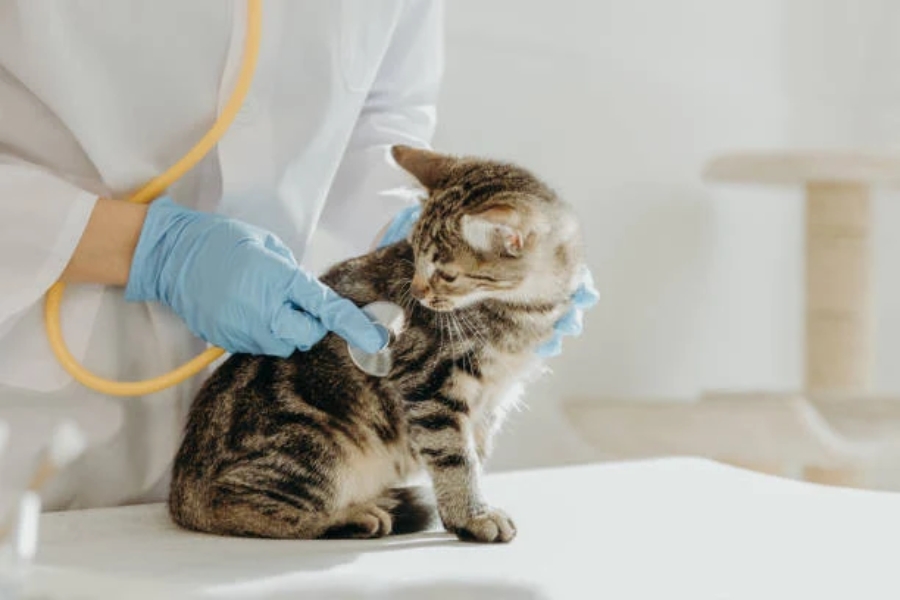
During a wellness visit, veterinarians assess:
- Body condition
- Weight trends
- Skin and coat quality
- Heart and lung function
- Joint mobility
- Oral health
These examinations help identify subtle changes that owners may not notice at home.
Early Detection Improves Outcomes
Many chronic diseases respond more effectively when discovered early. Routine evaluations allow veterinarians to recognize potential concerns before significant symptoms develop.
For families in Charlotte, regular wellness exams provide an opportunity to stay proactive about feline health rather than waiting until problems become obvious.
Dental Health Is a Key Part of Preventive Care
Dental disease is one of the most common health issues affecting indoor cats. Unfortunately, oral health problems often progress quietly.
Signs of dental concerns may include:
- Bad breath
- Difficulty eating
- Drooling
- Inflamed gums
- Behavioral changes
Routine dental evaluations help identify these issues before they affect a cat’s comfort and overall well-being.
Maintaining oral health is an important component of comprehensive cat preventative care because dental disease can impact multiple body systems if left unmanaged.
Weight Management and Nutrition Monitoring
Indoor cats often lead less active lifestyles than outdoor cats, making weight management especially important.
Excess weight can increase the risk of:
- Diabetes
- Joint stress
- Mobility problems
- Heart disease
- Reduced quality of life
Veterinarians can provide personalized nutritional recommendations based on a cat’s age, activity level, and overall health status.
Routine weight monitoring also helps detect unexplained weight loss, which can sometimes signal underlying medical concerns.
Diagnostic Screening for Early Disease Detection
Preventive healthcare goes beyond physical examinations. Diagnostic testing helps veterinarians gain a deeper understanding of a cat’s internal health.
Blood Testing
Routine blood work can help evaluate:
- Kidney function
- Liver health
- Blood sugar levels
- Thyroid activity
- Signs of inflammation
Urinalysis
Urine testing provides valuable information about:
- Kidney performance
- Hydration levels
- Urinary tract health
- Metabolic function
Together, these tests can identify diseases long before visible symptoms appear.
As cats age, diagnostic screening becomes an increasingly important aspect of cat preventative care.
Senior Indoor Cats Require Additional Monitoring
Aging cats face a greater risk of developing chronic health conditions. Unfortunately, many senior cats continue acting relatively normal even when underlying disease is present.
Common Conditions Seen in Senior Cats
Veterinarians frequently monitor older cats for:
- Kidney disease
- Hyperthyroidism
- Arthritis
- Heart disease
- Cognitive decline
- High blood pressure
Regular wellness visits allow veterinarians to track health changes and make timely recommendations.
For pet owners in Charlotte, senior wellness screenings can play a significant role in maintaining comfort and quality of life during a cat’s later years.
Behavioral Changes Can Signal Health Problems
Sometimes the earliest signs of illness appear through behavior rather than obvious physical symptoms.
Changes worth discussing with a veterinarian include:
- Increased hiding
- Reduced activity
- Changes in appetite
- Excessive vocalization
- Altered litter box habits
- Changes in grooming behavior
Even small behavioral shifts may indicate underlying medical concerns that deserve attention.
Creating a Lifelong Wellness Plan
Preventive care works most effectively when it is tailored to each cat’s unique needs.
A comprehensive wellness strategy often includes:
- Regular examinations
- Diagnostic screenings
- Nutritional counseling
- Weight management support
- Dental evaluations
- Senior health monitoring
These preventive measures help ensure that potential problems are identified and addressed as early as possible.
If you are from Charlotte and looking for cat preventative care, working closely with your veterinarian can help your cat enjoy a healthier future through proactive wellness monitoring and personalized healthcare recommendations.
Many feline health conditions develop gradually, but preventive care provides an opportunity to detect concerns before they significantly affect daily life. Investing in routine veterinary care today can help support your cat’s comfort and well-being for years to come.
Schedule Your Cat’s Wellness Visit Today
At Rea Road Animal Hospital, our team is committed to helping cats stay healthy through comprehensive preventive healthcare and personalized wellness plans. Schedule an online appointment today to give your feline companion the proactive care they deserve.
Frequently Asked Questions
Q1. How often should indoor cats have wellness exams?
Most adult indoor cats benefit from annual wellness examinations, while senior cats may require more frequent visits. Regular checkups help veterinarians monitor health changes, identify potential concerns early, and provide recommendations that support long-term well-being.
Q2. Can indoor cats develop serious illnesses even if they never go outside?
Yes. Indoor cats can still develop conditions such as kidney disease, diabetes, thyroid disorders, dental disease, and arthritis. Many of these illnesses are unrelated to outdoor exposure and may progress without noticeable symptoms.
Q3. Why are routine diagnostic tests important for indoor cats?
Diagnostic testing provides valuable insight into a cat’s internal health. Blood work and urinalysis can detect abnormalities before symptoms appear, allowing veterinarians to begin monitoring or treatment earlier when management may be more effective.
Q4. What are common signs that my cat may need a veterinary evaluation?
Changes in appetite, weight fluctuations, reduced activity, altered litter box habits, excessive sleeping, or unusual behavior can all indicate underlying health concerns. Any persistent change should be discussed with a veterinarian.
Q5. When should preventive care become more frequent for cats?
As cats enter their senior years, they often benefit from more frequent wellness evaluations and diagnostic screenings. Age-related diseases can develop gradually, making routine monitoring especially valuable for older pets.

New Furry Friends Welcome.
Schedule a Same-Day or Next Day Visit!