
Bringing a new puppy into your home is an exciting experience. Their playful nature and loving personality will quickly become a source of joy. However, caring for a new puppy requires time, effort, and knowledge to ensure they grow into a happy, healthy adult dog. Whether you’re a first-time puppy owner or a seasoned pet parent, understanding the basics of puppy care is essential for their well-being.
In this blog post, we’ll cover 10 essential tips every new pet parent should know to provide the best care for their new puppy. From setting up a safe space to establishing a routine, these tips will guide you through the early stages of your puppy’s life.
1. Create a Safe Space for Your Puppy
When you first bring your puppy home, it’s important to create a quiet, safe space where they can feel secure. This helps reduce anxiety and allows them to acclimate to their new environment. Choose an area that’s away from loud noises or distractions, and fill it with soft bedding, toys, and a water bowl.
Tip: A crate is an excellent option for a puppy’s safe space. It provides a sense of security and helps with potty training as puppies typically avoid soiling their sleeping area.
2. Establish a Feeding Routine
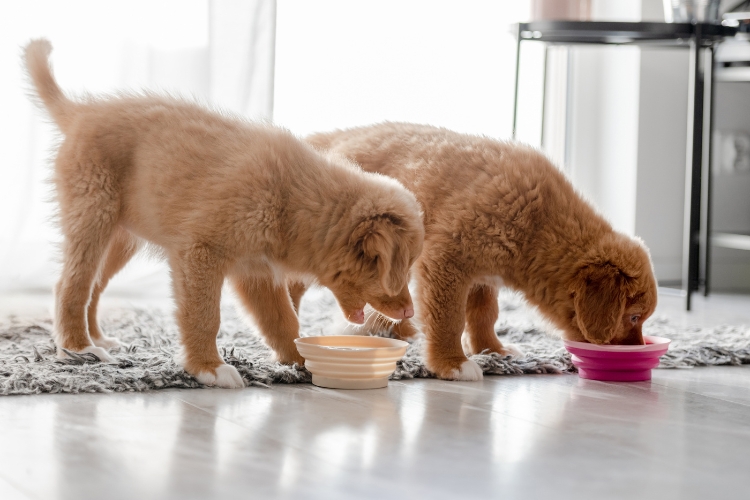
Puppies thrive on routine, so it’s important to establish a regular feeding schedule. Most puppies need three to four meals a day, depending on their age and breed. Make sure to feed your puppy high-quality food that’s specifically formulated for puppies to support their growth and development.
Tip: Always measure out food to avoid overfeeding and ensure your puppy is getting the proper nutrients. Consult your vet for food recommendations based on your puppy’s breed and age.
3. Socialize Your Puppy Early
Socialization is key to raising a well-adjusted dog. The first few months of a puppy’s life are crucial for introducing them to new experiences, people, and other animals. Positive interactions during this period will help your puppy become confident and well-behaved in various situations.
Tip: Take your puppy to puppy classes, invite friends over, and introduce them to other vaccinated dogs. Always ensure these experiences are positive and gradual to avoid overwhelming your puppy.
4. Start Training Early
Training should begin as soon as your puppy arrives. Start with basic commands like “sit,” “stay,” and “come.” Positive reinforcement, such as treats and praise, works best to encourage good behavior. Training not only teaches your puppy how to behave but also strengthens the bond between you and your new pet.
Tip: Keep training sessions short and fun. Puppies have short attention spans, so aim for 5-10 minute sessions, multiple times a day.
5. Veterinary Visits and Health Checks
Regular veterinary visits are essential for ensuring your puppy’s health. Schedule an appointment with your vet soon after bringing your puppy home. Your vet will conduct a thorough examination, start vaccinations, and recommend a parasite prevention plan.
Tip: Make sure your puppy’s vaccinations are up to date. Discuss a vaccination schedule with your vet to protect your puppy from common diseases.
6. Establish Potty Training Habits
Potty training is one of the first tasks for a new puppy owner. Consistency is key in helping your puppy learn where and when to go. Take your puppy outside frequently—especially after eating, drinking, and waking up—and reward them when they go potty in the right spot.
Tip: Use a designated potty area outside, and always praise your puppy immediately after they go potty. Avoid punishment, as it can cause confusion and anxiety.
7. Exercise and Playtime Are Important
Puppies are energetic and need plenty of exercise and play to stay healthy and happy. Regular playtime not only keeps your puppy physically fit but also provides mental stimulation, helping to curb undesirable behaviors caused by boredom.
Tip: Engage your puppy with toys, interactive games, and short walks to burn off excess energy. Avoid overexerting them during the first few months, as their joints are still developing.
8. Grooming Your Puppy
Grooming is an essential part of puppy care, and it’s important to start early. Regular brushing helps prevent matting and keeps your puppy’s coat shiny and healthy. Puppies also need regular nail trimming, ear cleaning, and occasional baths.
Tip: Introduce grooming gradually to ensure your puppy gets used to the process. Use puppy-friendly brushes and shampoos to avoid irritation.
9. Provide Mental Stimulation
Mental stimulation is just as important as physical exercise for puppies. Puzzle toys, treat-dispensing toys, and obedience training help keep your puppy’s brain active and engaged.
Tip: Rotate toys to keep your puppy interested, and provide new challenges to encourage problem-solving and creativity.
10. Prepare for Teething
Puppies go through a teething phase between 3 and 6 months of age. During this time, they may chew on anything they can find to relieve the discomfort of growing teeth. Providing appropriate chew toys can help prevent damage to furniture and shoes.
Tip: Offer a variety of chew toys, and praise your puppy when they choose the right items to chew on. Avoid scolding them for chewing; instead, redirect their attention to their toys.
Caring for a new puppy can be both challenging and rewarding. By following these 10 tips, you’ll set your puppy up for a healthy, happy life. Remember that patience, consistency, and love are the foundations of a strong bond with your puppy.
If you’re located in Charlotte, NC, and looking for expert puppy care, Rea Road Animal Hospital is the best choice for your furry friend’s health and well-being. Their dedicated team provides top-quality care and guidance every step of the way.
FAQs
Q1. How often should I take my puppy to the vet?
Ans. Puppies should have regular checkups, typically every 3-4 weeks, until they are about 16 weeks old. After that, annual checkups are usually sufficient.
Q2. When should I start training my puppy?
Ans. Training should start as soon as you bring your puppy home. Start with basic commands and gradually introduce more complex training as they grow.
Q3. How do I stop my puppy from chewing everything?
Ans. Provide appropriate chew toys, and redirect your puppy’s attention when they chew on furniture or other inappropriate items. Consistency is key.
Q4. What type of food should I feed my puppy?
Ans. Puppies should be fed food specifically formulated for their age and breed. Consult with your vet for recommendations based on your puppy’s needs.
Q5. How can I help my puppy adjust to being left alone?
Ans. Start with short periods of time alone and gradually increase it. Provide toys, a cozy bed, and avoid making a big fuss when leaving or returning.
Q6. When should I start socializing my puppy?
Ans. Start socializing your puppy as soon as they are fully vaccinated, typically around 12-16 weeks. Gradual exposure to new experiences, people, and animals is essential.

New Furry Friends Welcome.
Schedule a Same-Day or Next Day Visit!