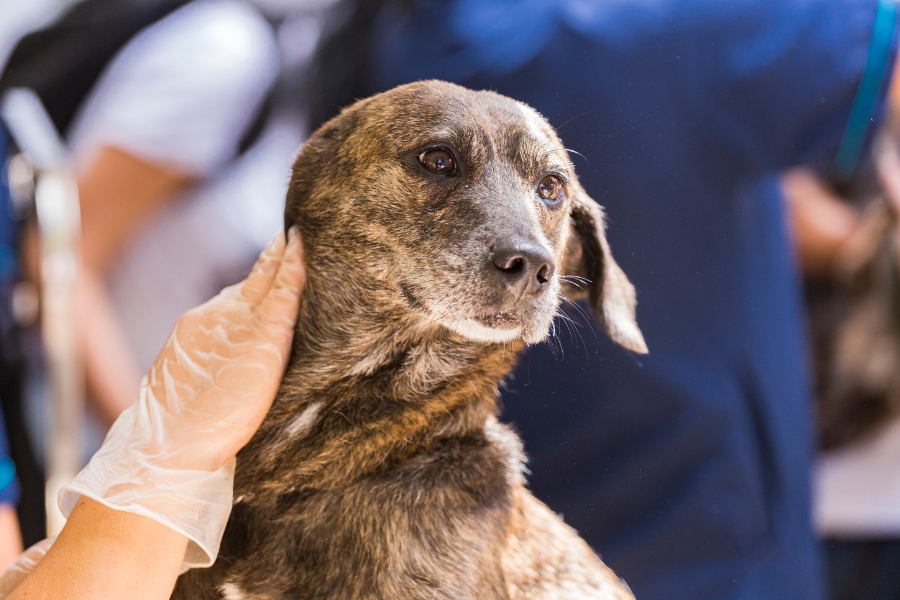
As pet owners, we strive to keep our furry companions healthy and happy. However, one of the most frightening realities we face is the potential diagnosis of cancer. Just like in humans, cancer in dogs can often be more treatable if caught early. By understanding the common signs and symptoms of cancer, you can play an essential role in your dog’s health care and seek timely veterinary intervention. Here are 10 warning signs that may indicate your dog has cancer, and how you can spot them early.
1. Lumps or Bumps Under the Skin
One of the most common signs of cancer in dogs is the appearance of lumps or bumps under their skin. These growths could be benign, but it’s essential to have them checked out by a veterinarian. If the lump feels hard or is growing in size, it could be a sign of a tumor.
What You Should Do: If you notice any unusual lumps or bumps on your dog, schedule a visit to your veterinarian to determine if the growth is cancerous or benign. Early detection of tumors can make a significant difference in your dog’s treatment options.
2. Unexplained Weight Loss
Sudden, unexplained weight loss in your dog, especially if their appetite hasn’t changed, could be a sign of cancer. This weight loss occurs because the body is using more energy to fight the disease or due to the cancer affecting metabolism.
What You Should Do: If your dog is losing weight rapidly without any change in diet or exercise, consult your veterinarian. They may recommend tests to determine if cancer or another medical condition is the cause.
3. Change in Appetite
Cancer can cause a variety of changes in your dog’s appetite, including a sudden loss of appetite or a ravenous hunger. If your dog isn’t eating as much as usual or seems uninterested in food, it could be due to cancer affecting their digestive system.
What You Should Do: If your dog’s appetite has changed significantly, especially if accompanied by weight loss, schedule a visit to the vet to rule out cancer or other health issues.
4. Difficulty Breathing or Coughing
Persistent coughing, labored breathing, or wheezing can be signs of a respiratory tumor, especially if your dog shows signs of struggling to breathe or seems fatigued. It’s crucial not to ignore these symptoms, as they could point to lung cancer or other respiratory issues.
What You Should Do: If your dog is coughing frequently or appears to be struggling with breathing, take them to the vet as soon as possible for an evaluation.
5. Lethargy and Weakness
A noticeable decrease in your dog’s energy levels can be a sign of cancer. Dogs with cancer may seem unusually tired, have difficulty playing or walking, and may avoid physical activity. This is often due to the body fighting the disease or pain from tumors affecting their muscles or bones.
What You Should Do: If your dog is suddenly more lethargic or weak, it’s time to consult your veterinarian for a thorough examination.
6. Bleeding or Discharge from Body Openings
Unexpected bleeding, especially from the nose, mouth, or rectum, should never be ignored. This could be a sign of internal tumors, blood disorders, or other forms of cancer. You might also notice unusual discharge from your dog’s eyes, nose, or genital areas.
What You Should Do: If your dog is bleeding or has abnormal discharge, take them to the vet immediately for a full check-up to determine the cause.
7. Difficulty Urinating or Defecating
A dog with cancer may have difficulty urinating or defecating, either due to a tumor blocking the urinary tract or digestive system. If your dog is straining to urinate or appears to be in pain while doing so, it may indicate a urinary tract tumor or anal cancer.
What You Should Do: If your dog has trouble going to the bathroom or seems to be in pain while doing so, contact your vet for an evaluation. Cancer is one potential cause, but other conditions can cause similar symptoms.
8. Changes in Behavior or Temperament
If your dog’s personality or behavior changes suddenly, this could be a sign that something is wrong. Dogs with cancer may become more irritable, anxious, or withdrawn. Pain, discomfort, or feeling unwell can cause these behavioral shifts.
What You Should Do: Keep an eye on any changes in your dog’s behavior, especially if they are combined with other symptoms like weight loss or lethargy. Consult your vet to find out what’s causing the change.
9. Swollen Lymph Nodes
Swollen lymph nodes are another red flag for cancer in dogs. Lymph nodes are part of the immune system, and when they become enlarged, it can be a sign that cancer is affecting your dog’s lymphatic system.
What You Should Do: If you notice swollen lymph nodes, schedule a visit to your veterinarian for further examination and possibly a biopsy.
10. Bad Odor
If your dog suddenly develops a persistent, foul odor that doesn’t go away with regular grooming, it could be a sign of a tumor. Bad breath, unusual body odors, or odors from the ears or genitals can indicate the presence of infection or cancer.
What You Should Do: If your dog has a strong, unpleasant odor, take them to the vet immediately to rule out cancer or infections that might need treatment.
As pet owners, it’s essential to be proactive about your dog’s health and recognize the early warning signs of cancer. While these symptoms can indicate other conditions, they should never be ignored. Early detection can dramatically improve your dog’s prognosis and increase their chances of successful treatment.
If you notice any of these warning signs, don’t hesitate to reach out to a veterinarian in Charlotte, NC. The sooner you address potential issues, the better the outcome for your dog. Your veterinarian will be able to perform necessary tests and recommend treatment options, ensuring that your dog receives the best possible care.
FAQs
Q1. How can I tell if my dog has cancer?
Ans. Signs like unexplained weight loss, difficulty breathing, changes in appetite, and abnormal lumps are common indicators of cancer in dogs. Early detection is key, so consult a vet if you notice any of these signs.
Q2. What are the most common cancers in dogs?
Ans. The most common types of cancer in dogs include lymphoma, mast cell tumors, and bone cancer. Each has its own symptoms, so it’s important to seek veterinary advice if you’re concerned about your pet’s health.
Q3. Is cancer in dogs treatable?
Ans. Treatment for cancer in dogs depends on the type and stage of the disease. Options may include surgery, chemotherapy, radiation, or palliative care. Early detection often leads to better treatment outcomes.
Q4. What should I do if my dog has a lump?
Ans. If you find a lump on your dog, have it examined by a veterinarian. Lumps can be benign or cancerous, but only a vet can determine the cause through a physical exam or biopsy.
Q5. Can dogs survive cancer?
Ans. Many dogs can survive cancer, especially if diagnosed early. Treatment options have advanced, and with prompt veterinary care, many dogs lead a happy and healthy life after a cancer diagnosis.
Q6. How can I prevent cancer in my dog?
Ans. While you can’t completely prevent cancer, regular vet check-ups, a healthy diet, and avoiding environmental toxins can help reduce the risk. Early detection through regular screenings is also important.



New Furry Friends Welcome.
Schedule a Same-Day or Next Day Visit!