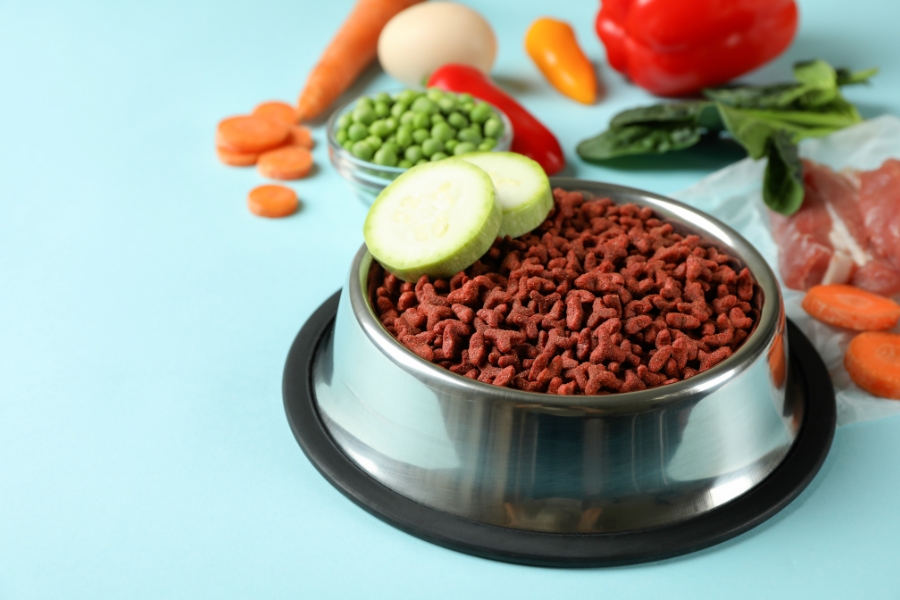
As dogs age, their needs change in noticeable ways. They may move more slowly, nap longer, or show less interest in activities they once loved. Along with these changes, their nutritional needs also evolve. Choosing the healthiest food for a senior dog plays a major role in maintaining comfort, energy, and overall well-being during the later years of life.
Many pet owners continue feeding the same diet for years without realizing that aging bodies process food differently. However, senior dogs benefit most from meals that support digestion, joint health, immune strength, and weight balance. With the right food choices, aging dogs can remain happy, alert, and engaged.
When Is a Dog Considered a Senior?
Dogs typically enter their senior stage between seven and ten years of age. Smaller breeds often age more slowly, while larger breeds reach senior status earlier. Although age provides a general guideline, physical signs usually offer clearer clues.
For example, a senior dog may gain weight more easily, lose muscle tone, or show stiffness after rest. Because these changes affect nutritional needs, adjusting the diet at the right time becomes essential.
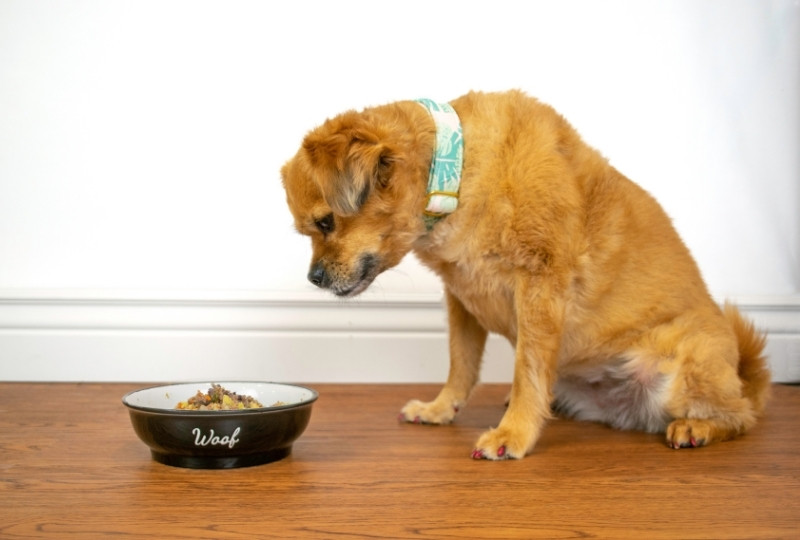
Why Senior Dogs Need a Different Diet
As dogs age, their metabolism slows down. As a result, they burn fewer calories each day. Meanwhile, their bodies may struggle to absorb nutrients efficiently. If diet remains unchanged, weight gain and nutrient deficiencies can occur.
In addition, aging dogs often experience joint discomfort, dental issues, or digestive sensitivity. Proper nutrition supports these areas and helps prevent further decline. Therefore, senior dog food should focus on quality, balance, and digestibility rather than volume.
Key Nutrients That Support Senior Dog Health
Understanding which nutrients matter most helps owners make informed food choices.
High-quality protein
Senior dogs still need protein to maintain muscle mass. However, the protein must be easy to digest. Lean animal proteins support strength without placing excess strain on organs.
Healthy fats
Omega-3 fatty acids support joint mobility and brain health. They also help manage inflammation, which becomes more common with age.
Digestible carbohydrates
Whole grains and vegetables provide energy while being gentle on digestion. They also help maintain stable blood sugar levels.
Fiber
Fiber supports digestive regularity. It also helps dogs feel full, which aids weight control.
Vitamins and antioxidants
Antioxidants protect aging cells and support immune function. Vitamins help maintain organ health and overall vitality.
Ingredients to Look for on the Label
Reading ingredient labels carefully makes a real difference. The healthiest senior dog foods typically include:
- Named animal proteins, such as chicken, turkey, or fish
- Fish oil or flaxseed for omega fatty acids
- Whole grains like brown rice or oats
- Vegetables such as sweet potatoes, carrots, or pumpkin
- Added glucosamine and chondroitin for joint support
These ingredients work together to support mobility, digestion, and immune health.
Ingredients That May Cause Problems
Just as important as what to include is what to limit. Some ingredients can be harder for senior dogs to tolerate.
Excessive fat increases the risk of weight gain. Artificial preservatives may irritate the digestive system. High sodium levels can strain the heart and kidneys. Fillers often provide calories without nutritional value.
Because of this, simpler ingredient lists often indicate better quality.
Wet Food or Dry Food: Which Is Better?
Both wet and dry food can work well for senior dogs. The best choice depends on individual needs.
Dry food helps reduce plaque buildup and is easy to portion. On the other hand, wet food provides added moisture, which supports hydration and kidney health. It is also easier to chew, making it a good option for dogs with dental sensitivity.
Many owners find that combining both textures improves appetite while delivering balanced nutrition.
Homemade Food for Senior Dogs
Some pet owners prefer preparing homemade meals. While this approach allows control over ingredients, it requires careful planning. Senior dogs need a precise nutrient balance, and missing nutrients can lead to long-term health issues.
For this reason, homemade diets should only be prepared under veterinary guidance. Professional input ensures meals meet nutritional requirements while addressing age-related concerns.
Adjusting Diet Based on Health Conditions
Every senior dog ages differently. Some develop arthritis, while others experience digestive or kidney concerns. Because of this, food choices should align with specific health needs.
For example, joint-supporting nutrients benefit dogs with stiffness. Softer food textures help dogs with dental changes. Adjusted protein levels may support dogs with organ concerns.
Tailoring nutrition improves comfort and quality of life.
Feeding Schedule and Portion Control
Portion control becomes more important with age. Senior dogs often do better with smaller, consistent meals. This approach supports digestion and helps maintain a healthy weight.
Feeding twice daily instead of once also helps prevent energy dips and digestive discomfort.
Charlotte’s warm summers and active lifestyle influence senior dog needs. Older dogs may tire more quickly during humid months. Proper hydration and balanced nutrition help them stay comfortable year-round.
Access to professional veterinary care also helps pet owners adjust diet choices as dogs age, ensuring nutritional decisions align with lifestyle and health changes.
The healthiest food for a senior dog supports digestion, mobility, immune health, and weight balance. With thoughtful choices and regular monitoring, aging dogs can continue enjoying daily routines with comfort and confidence.
If you have questions about nutrition or overall senior dog care in Charlotte, NC, the team at Rea Road Animal Hospital is here to help. Schedule a visit to discuss personalized dietary guidance that supports your dog’s health through every stage of life.
Frequently Asked Questions
Q1. How do I know when to switch my dog to senior food?
Ans. Behavioral changes, weight gain, or reduced energy often signal the right time. A veterinarian can confirm when a dietary change is appropriate.
Q2. Do senior dogs need fewer calories?
Ans. Yes. Most senior dogs burn fewer calories, so lower-calorie diets help prevent weight gain while maintaining nutrition.
Q3. Is grain-free food better for older dogs?
Ans. Not always. Whole grains support digestion and energy unless a medical condition requires grain restriction.
Q4. Can senior dogs eat puppy or adult food?
Ans. Occasionally, but long-term feeding may not meet senior nutritional needs. Senior formulas provide better balance.
Q5. Should supplements replace senior dog food?
Ans. No. Supplements support health but should complement, not replace, balanced meals.
Q6. What signs suggest my senior dog’s food is working?
Ans. Stable weight, good digestion, improved mobility, and steady energy indicate proper nutrition.



New Furry Friends Welcome.
Schedule a Same-Day or Next Day Visit!