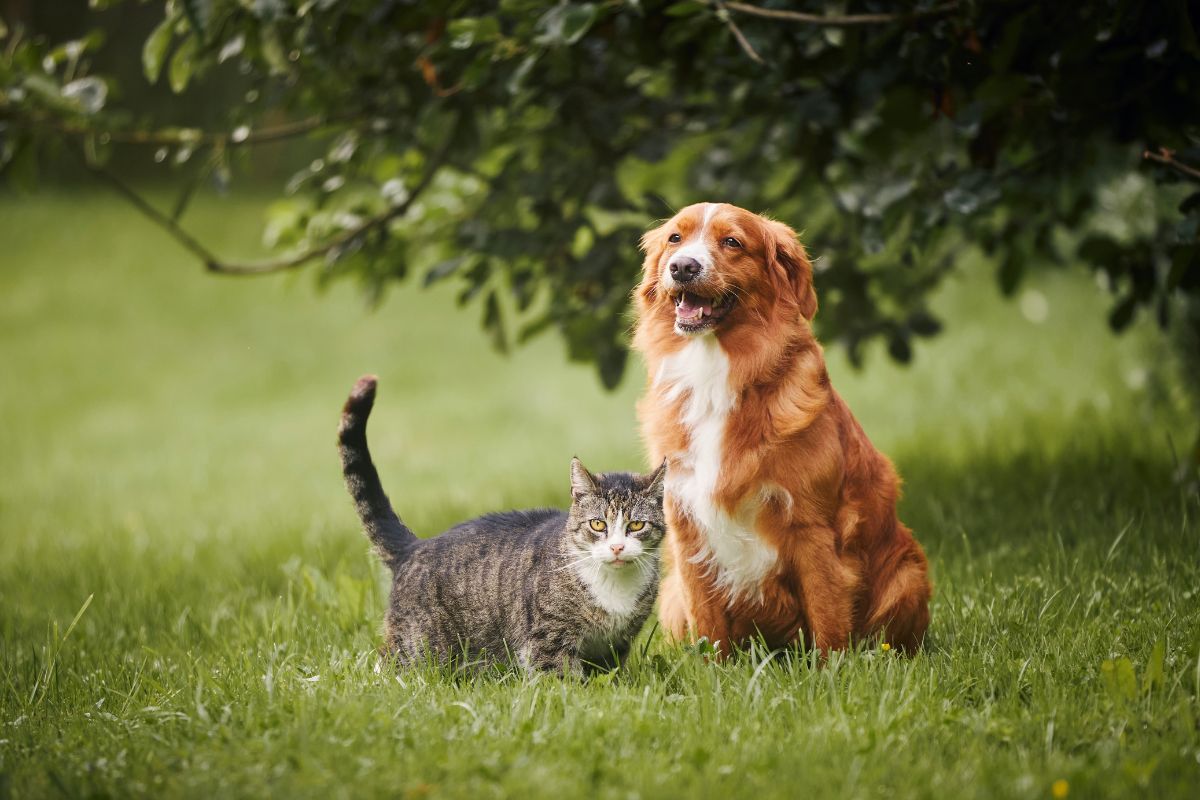
As our beloved pets age, their needs change, requiring us to adapt our care to ensure their golden years are comfortable and fulfilling. Like humans, senior pets experience physical and cognitive changes that can impact their quality of life. Understanding these changes and implementing appropriate care strategies is crucial for maintaining their health and happiness.
Adapting Care for Senior Pets
1. Regular Veterinary Checkups:
Senior pets benefit from more frequent veterinary checkups, ideally every six months. These visits allow your vet to detect potential health issues early, monitor existing conditions, and adjust treatment plans. Regular blood work, urine tests, and physical examinations are essential for identifying age-related problems.
2. Tailored Nutrition:
Senior pets often have different dietary needs. Their metabolism may slow down and require diets that are easier to digest or formulated for specific health conditions like kidney disease or arthritis. Consult your veterinarian for recommendations on the best food for your senior pet.
3. Gentle Exercise:
Maintaining a healthy weight and muscle mass is crucial for senior pets. Gentle, low-impact exercises like short walks, swimming, or indoor play sessions can help keep them active without putting excessive strain on their joints. Adjust the intensity and duration of exercise based on your pet’s needs and limitations.
4. Comfortable Environment:
Create a comfortable and safe environment for your senior pet. Provide soft bedding, easy access to food and water, and minimize obstacles that could cause falls. Consider using ramps or steps to help them navigate stairs or furniture.
5. Pain Management:
Arthritis and other painful conditions are common in senior pets. Work with your veterinarian to develop a pain management plan that may include medication, physical therapy, or alternative therapies like acupuncture.
6. Cognitive Support:
Senior pets can experience cognitive decline, similar to dementia in humans. Provide mental stimulation through puzzle toys, interactive games, and short training sessions to reduce confusion and anxiety. Maintain a consistent routine.
7. Grooming and Hygiene:
Regular grooming is essential for senior pets, especially those with mobility issues. Gentle brushing can help remove loose fur and prevent matting. Pay attention to nail trimming and dental care, as these areas can become more challenging with age.
8. Monitoring for Changes:
Pay close attention to changes in your senior pet’s behavior, appetite, or elimination habits. These changes can indicate underlying health problems that require veterinary attention.
9. Emotional Support:
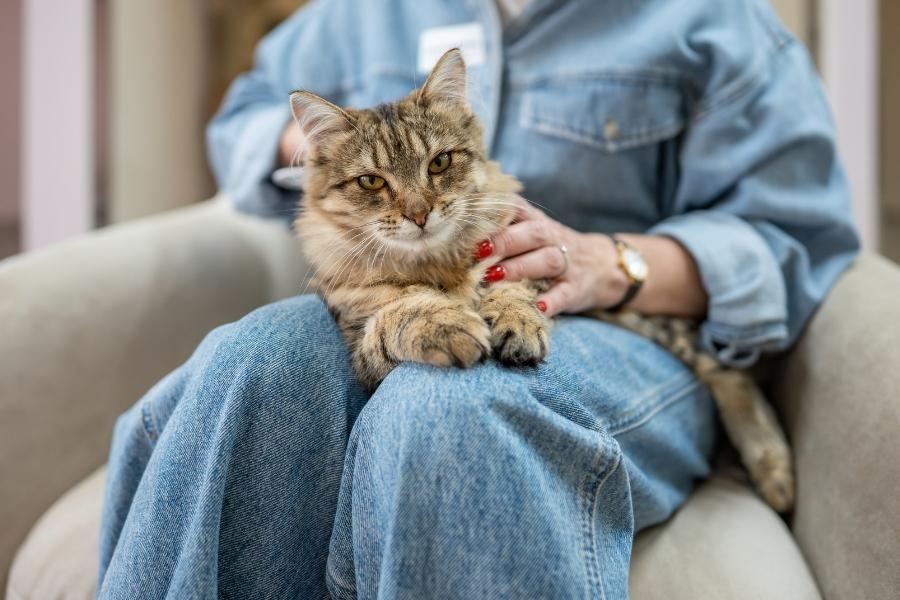
Senior pets often crave more attention and affection. Spend quality time with them, providing gentle petting, soothing words, and a calm presence. Their emotional well-being is just as important as their physical health.
Remember, your senior pet has given you years of unconditional love and companionship. Now, it’s your turn to provide them with the care and comfort they deserve in their golden years. Be patient, attentive, and proactive in addressing their needs. Your loving support can significantly improve their quality of life, ensuring they enjoy their senior years with dignity and happiness. Cherish these precious moments, knowing your dedication gives them the best possible end-of-life experience.
If you are a pet owner in Charlotte and looking for a veterinarian near you, book an appointment with Rea Road Animal Hospital. Our experienced veterinary team is dedicated to providing compassionate care that supports your pet’s health, comfort, and well-being at every stage of life.


New Furry Friends Welcome.
Schedule a Same-Day or Next Day Visit!