Just like humans, our canine companions need regular dental care to maintain their overall health and well-being. Far too often, dental hygiene in dogs is overlooked, leading to a host of painful and potentially serious health issues. So, how often does your dog truly need a professional teeth cleaning? The answer isn’t a one-size-fits-all, but rather depends on several factors.
The Importance of Canine Dental Health
Imagine going years without brushing your teeth or visiting the dentist. The thought alone is unpleasant, and the reality for many dogs is even worse. Plaque and tartar buildup can lead to periodontal disease, a progressive condition that affects the gums and the structures supporting the teeth. If left untreated, this can lead to pain, tooth loss, and even systemic health issues as bacteria from the mouth enter the bloodstream and affect vital organs, such as the heart, kidneys, and liver. Regular dental care isn’t just about fresh breath; it’s about safeguarding your dog’s entire body.
Factors Influencing Cleaning Frequency
While a general guideline exists, the frequency of professional dental cleanings for your dog is influenced by several individual factors:
- Breed and Size: Smaller dog breeds (like Chihuahuas, Yorkshire Terriers, and Miniature Poodles) are often more prone to dental issues due to their crowded mouths and genetic predispositions. They may require more frequent cleanings, sometimes as often as twice a year. Larger breeds only need annual cleanings, or even less frequently in some cases.
- Age: Puppies typically don’t need professional cleanings, but as dogs age, the risk of dental disease increases. Most veterinarians recommend starting professional cleanings around 2-3 years of age. Senior dogs, in particular, may need more vigilant dental care.
- Diet: Dogs on a soft food diet tend to accumulate plaque and tartar more quickly than those who eat dry kibble or specially formulated dental diets. The abrasive action of chewing dry food can help mechanically remove some plaque.
- Genetics: Some dogs are genetically predisposed to dental disease, regardless of their diet or home care.
- At-Home Dental Care: This is arguably one of the most significant factors. Dogs whose teeth are brushed regularly at home (daily or at least several times a week) will generally need less frequent professional cleanings.
General Guidelines for Professional Cleanings
As a broad recommendation, most veterinary dentists advise that dogs should have their teeth professionally cleaned at least once a year. This annual cleaning typically involves a thorough examination, scaling (to remove plaque and tartar above and below the gumline), and polishing. Importantly, these procedures are performed under general anesthesia to ensure your dog’s comfort and allow for a comprehensive and safe cleaning, including dental X-rays to assess the health of the tooth roots and jawbone.
For dogs with a history of dental disease or those identified as high-risk, your veterinarian might recommend cleanings every six months. It’s crucial to discuss your dog’s specific needs with your vet.
Signs Your Dog Needs a Dental Cleaning Sooner
Even if it hasn’t been a year since their last cleaning, keep an eye out for these signs that indicate your dog may need immediate veterinary attention for their teeth:
- Bad Breath (Halitosis): This is one of the most common and obvious signs of dental disease.
- Discolored Teeth or Tartar Buildup: Yellow, brown, or green discoloration on the teeth, especially near the gumline.
- Red, Swollen, or Bleeding Gums: These are classic signs of gingivitis, an early stage of periodontal disease.
- Difficulty Eating or Chewing: Your dog may show reluctance to eat, chew on one side of their mouth, or drop food.
- Pawing at the Mouth or Rubbing the Face: This can indicate discomfort or pain.
- Excessive Drooling: More drooling than usual can be a sign of oral pain.
- Loose or Missing Teeth.
- Reduced Appetite or Weight Loss.
- Swelling on the Face, Especially Below the Eye: This could indicate a tooth root abscess.
The Role of At-Home Dental Care
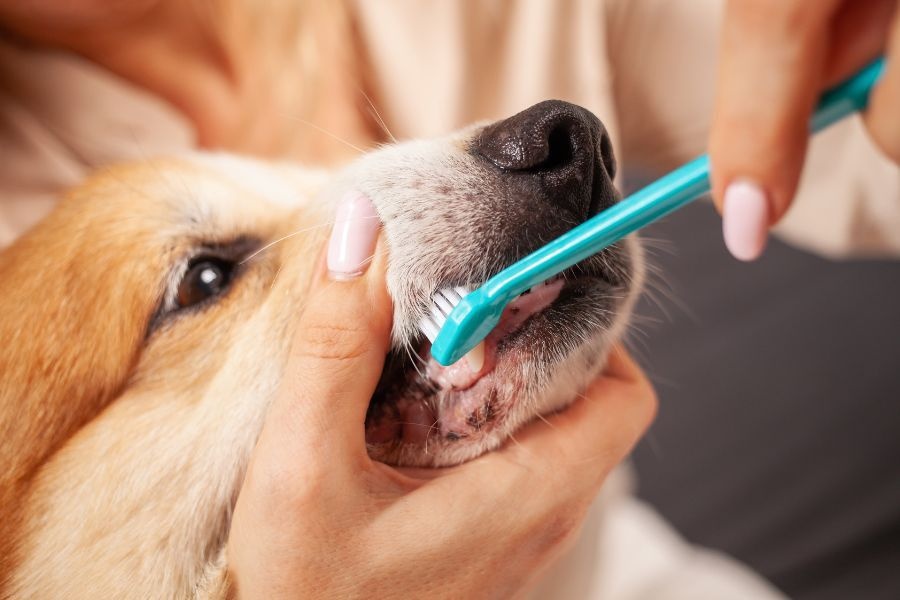
While professional cleanings are essential, at-home dental care plays a vital role in extending the time between cleanings and maintaining optimal oral health. Daily brushing is the gold standard. Use a dog-specific toothpaste (never human toothpaste) and a soft-bristled toothbrush designed for dogs. Introduce brushing slowly and make it a positive experience with treats and praise.
Other beneficial at-home options include dental chews approved by the Veterinary Oral Health Council (VOHC), dental diets, and water additives. However, these are supplements to brushing, not replacements for it.
When you’re looking for comprehensive oral care for your furry friend, seeking out specialized Pet Dental Services is key. Many veterinary clinics offer dedicated dental departments with advanced equipment and trained staff to handle everything from routine cleanings to complex extractions and oral surgery.
Finding a reliable veterinarian near me that prioritizes dental health is essential for your dog’s long-term well-being. A clinic that emphasizes preventive care and has the right equipment for comprehensive dental examinations and procedures can make a significant difference. Don’t hesitate to schedule a dental check-up even if your dog isn’t showing obvious signs of discomfort; early detection of issues can prevent more serious problems down the line. Proactive Pet Dental Services are the best way to ensure your canine companion enjoys a healthy, happy life with a bright, clean smile, free from the pain and complications of untreated dental disease.
New Furry Friends Welcome.
Schedule a Same-Day or Next Day Visit!