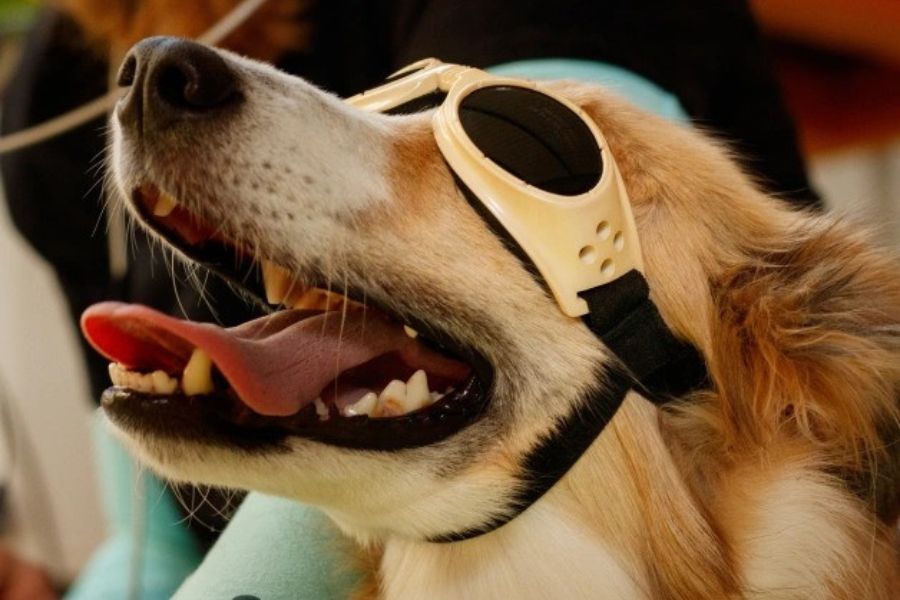
As pet owners, we want the best for our furry companions, ensuring they live healthy and happy lives. Over the years, veterinary medicine has advanced significantly, introducing therapies that are both innovative and safe. One such advancement is laser therapy for pets, a non-invasive treatment option that has gained popularity for its effectiveness in managing pain, inflammation, and promoting faster healing.
What is Laser Therapy for Pets?
Laser therapy, also known as low-level laser therapy (LLLT) or cold laser therapy, uses specific wavelengths of light to interact with tissue. This interaction stimulates cellular activity, improving blood circulation, reducing inflammation, and accelerating tissue repair. Unlike surgical procedures or medications that may come with side effects, laser therapy is gentle and pain-free.
For many pet owners, the idea of shining a laser on their pet might seem unusual. However, studies and clinical evidence consistently show that pets experience minimal discomfort during sessions while gaining maximum therapeutic benefits.
How Laser Therapy Works
The effectiveness of laser therapy lies in its ability to penetrate skin and tissue without causing damage. When the light reaches affected areas, it triggers a series of biological reactions:
- Cellular Repair: Laser light stimulates mitochondria within cells to produce more energy, enhancing cellular repair and regeneration.
- Pain Reduction: It interferes with nerve transmission of pain signals, reducing discomfort for pets suffering from arthritis, injuries, or post-surgical pain.
- Anti-Inflammatory Effects: Laser therapy reduces inflammation by promoting blood flow and stimulating lymphatic drainage.
- Faster Healing: Increased circulation delivers oxygen and nutrients more efficiently, helping wounds, fractures, and surgical sites heal quicker.
By combining these mechanisms, pets experience improved mobility, reduced pain, and a faster return to their normal activities.
Benefits of Laser Therapy for Pets
Laser therapy offers a range of benefits that make it an appealing choice for pet owners looking for non-invasive solutions:
- Non-Invasive: There are no incisions, anesthesia, or stitches involved, making it ideal for pets that may not tolerate surgery.
- Pain-Free: Pets often describe the experience as soothing rather than painful. Some even fall asleep during treatment!
- Medication-Free: Laser therapy can reduce or eliminate the need for pain medications, lowering the risk of side effects.
- Versatile Applications: From arthritis and hip dysplasia to wound healing and post-surgical recovery, laser therapy has multiple uses.
- Quick Sessions: Most sessions last between 5 to 15 minutes, depending on the condition being treated.
Because of these advantages, many veterinary clinics now incorporate laser therapy as part of comprehensive treatment plans, offering pets a higher quality of life without invasive procedures.
Conditions Treated with Laser Therapy
Laser therapy is not limited to one specific condition. In fact, it has been proven effective for a wide variety of ailments, including:
- Arthritis and Joint Pain: Pets with degenerative joint disease benefit significantly from reduced inflammation and improved mobility.
- Soft Tissue Injuries: Sprains, strains, and muscle injuries heal faster with targeted laser treatment.
- Wound Healing: Cuts, abrasions, and surgical incisions close more quickly with reduced risk of infection.
- Post-Surgical Recovery: Laser therapy accelerates healing after procedures, minimizing discomfort.
- Neurological Conditions: Dogs and cats with nerve injuries or degenerative diseases may experience improved function.
- Skin Conditions: Hot spots, dermatitis, and other dermatological issues often respond well to laser therapy.
With such versatility, pet laser therapy has become a cornerstone of modern veterinary care, especially for aging pets or those recovering from surgery or injury.
What to Expect During a Session
During a typical laser therapy session, a trained veterinary professional will guide the laser over the affected area. Pets usually feel a gentle warmth, which is soothing rather than uncomfortable. Sessions can be repeated as needed, based on the severity of the condition and the pet’s response to therapy.
Most pets tolerate the procedure exceptionally well. Some even develop a sense of anticipation, associating laser therapy with comfort and relief. Unlike medications that must be administered daily, laser therapy provides tangible results in a few sessions, making it convenient for both pets and owners.
Is Laser Therapy Safe for All Pets?
Yes, laser therapy is considered safe for most pets, including dogs, cats, and even small animals like rabbits. However, it is essential to have a veterinarian evaluate your pet before starting treatment. Certain conditions, such as cancerous tumors in the treatment area, may require special precautions.
Furthermore, certified veterinary professionals ensure the correct laser strength and treatment duration, minimizing any risk of tissue damage. With proper supervision, laser therapy can be a safe, non-invasive alternative or complement to traditional treatments.
In conclusion, laser therapy for pets is a safe, non-invasive, and highly effective solution for managing pain, accelerating healing, and improving quality of life. Its versatility, safety, and efficacy make it an excellent choice for pets of all ages and conditions.
For pet owners seeking pet laser therapy in Charlotte, NC, Rea Road Animal Hospital offers expert care and state-of-the-art technology to ensure your pet receives the best treatment possible. Give your furry friends the comfort and healing they deserve with laser therapy today.
FAQs
Q1. Is laser therapy painful for pets?
Ans. No, laser therapy is generally painless. Most pets feel a gentle warmth, and some even find it relaxing.
Q2. How long does a typical session last?
Ans. Sessions usually range from 5 to 15 minutes, depending on the condition being treated.
Q3. How many sessions will my pet need?
Ans. The number of sessions varies by condition and severity. Your veterinarian will create a personalized treatment plan.
Q4. Can laser therapy replace medications?
Ans. Laser therapy may reduce the need for pain medications, but it depends on your pet’s specific condition. Always follow your veterinarian’s guidance.
Q5. Are there any side effects?
Ans. Laser therapy is very safe. Mild, temporary redness may occur but typically resolves quickly.
Q6. Is laser therapy suitable for all pets?
Ans. Most pets can safely receive laser therapy, including dogs and cats. Your veterinarian will evaluate your pet to ensure it is appropriate.
New Furry Friends Welcome.
Schedule a Same-Day or Next Day Visit!