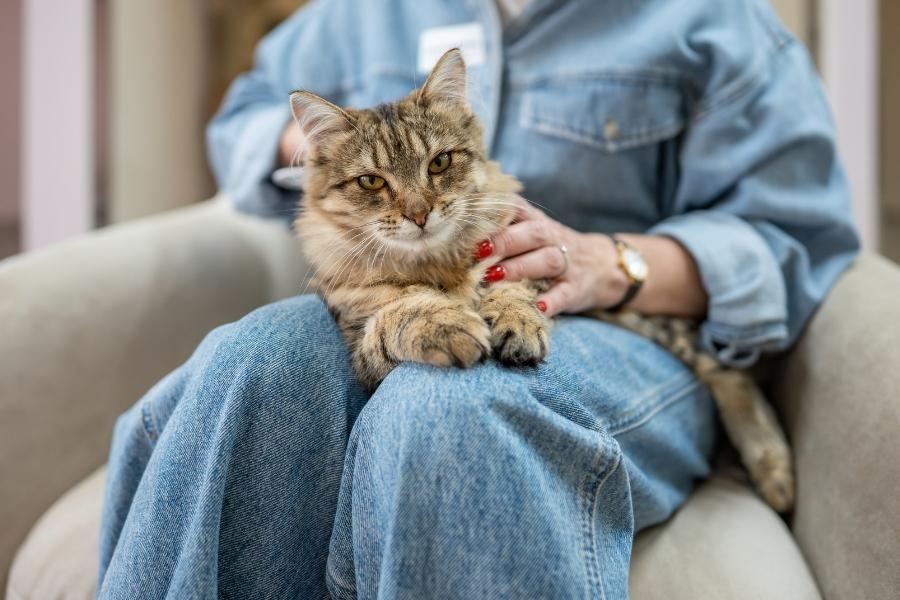
As cats age, their needs change. Like humans, they go through different stages of life, and their health and well-being require more attention as they grow older. Senior cats are often more prone to health issues such as arthritis, dental problems, and kidney disease. As a responsible pet owner, it’s essential to provide the right care and attention to ensure your senior cat lives a long, healthy, and happy life.
In this blog, we’ll discuss various aspects of senior cat care, from maintaining a healthy diet to monitoring their behavior and providing them with a comfortable living space. These simple but effective steps will help your aging feline companion thrive in their golden years.
1. Regular Veterinary Check-Ups
As your cat ages, regular veterinary visits become even more crucial. Senior cats are at a higher risk of developing chronic conditions such as kidney disease, hyperthyroidism, diabetes, and arthritis. Scheduling routine check-ups with your veterinarian ensures that any health issues are caught early, allowing for prompt treatment.
During these check-ups, your vet will likely perform a thorough physical exam, check your cat’s vital signs, and may suggest additional tests such as blood work, urinalysis, or an ultrasound to monitor your cat’s health. Early detection and treatment of diseases can significantly improve your cat’s quality of life and prevent more serious complications down the road.
2. Provide a Balanced Diet
As cats age, their dietary needs change. Older cats may require a different balance of protein, fats, and nutrients compared to younger cats. Senior cats are more prone to obesity, so it’s important to feed them a diet that helps maintain a healthy weight.
High-quality, age-appropriate food is essential. Look for cat food labeled specifically for senior cats, as it often contains higher levels of fiber to aid digestion and lower levels of fat to prevent obesity. If your cat has specific health concerns, such as kidney disease or diabetes, your vet may recommend a special prescription diet tailored to those needs.
Always monitor your cat’s weight and adjust their food intake accordingly. Senior cats may also experience a decrease in appetite, which could be due to dental issues, arthritis, or other health problems. In such cases, speak to your veterinarian to find ways to encourage your cat to eat, such as offering softer foods or adding supplements.
3. Maintain Healthy Hydration
Older cats are more susceptible to dehydration, which can lead to kidney problems and other health issues. It’s essential to encourage your senior cat to drink enough water each day.
Consider offering fresh water in multiple bowls placed throughout your home to make it easier for your cat to stay hydrated. Some cats prefer running water, so a pet water fountain might entice your feline friend to drink more. Additionally, wet cat food can help increase your cat’s water intake, as it contains a higher moisture content compared to dry kibble.
If you notice that your senior cat is drinking less than usual or showing signs of dehydration, such as lethargy or dry gums, contact your veterinarian promptly.
4. Exercise and Mental Stimulation
Although your senior cat may no longer have the energy or agility they had in their younger years, it’s still important to encourage regular activity. Exercise helps maintain muscle mass, joint flexibility, and a healthy weight, while also keeping your cat mentally sharp.
Gentle playtime is an excellent way to keep your cat physically and mentally stimulated. Use interactive toys such as feather wands, laser pointers, or puzzle feeders to engage their natural hunting instincts. Even if your senior cat doesn’t move as quickly as before, they will still enjoy the interaction and stimulation.
Be mindful of any signs of discomfort during play, such as limping or reluctance to move. If you notice any changes in their behavior, it may be worth discussing with your veterinarian, as this could indicate arthritis or other mobility issues.
5. Comfortable Living Space
Creating a comfortable environment for your senior cat is crucial to their overall well-being. As they age, they may develop arthritis or other joint problems, which can make it difficult to jump or climb. To make things easier for them, provide soft bedding in quiet, low-traffic areas where they can rest without being disturbed.
Ensure that their litter box is easily accessible, preferably in a low-sided box so your cat doesn’t have to jump or strain. If your cat enjoys climbing, consider providing cat trees or ramps that allow them to reach higher spaces without risking injury.
Temperature can also be a factor. Older cats are more sensitive to temperature changes, so make sure they have access to warm, cozy places to rest during colder months, especially if they have arthritis or other joint problems.
6. Monitor Behavioral Changes
Changes in behavior can be one of the first signs that your senior cat is not feeling well. Cats are masters at hiding pain, so any shifts in their habits should be taken seriously. If your cat becomes more withdrawn, aggressive, or starts behaving unusually, it’s essential to investigate the cause.
Common age-related behavior changes in senior cats include increased sleeping, decreased grooming, and more frequent vocalization. These changes are often associated with conditions like cognitive dysfunction syndrome (similar to dementia in humans) or joint pain. Monitoring their behavior will help you identify any changes early and provide better care.
Regular wellness exams at your veterinarian’s office can help identify underlying health conditions that might be causing behavioral changes.
7. Dental Care is Key
Dental health often takes a back seat for many pet owners, but it becomes especially important as your cat ages. Dental disease is common in senior cats and can lead to pain, difficulty eating, and systemic health issues such as kidney disease.
To ensure your senior cat maintains good oral hygiene, make dental care a part of their routine. Regular brushing is ideal, but if that’s not possible, ask your veterinarian for advice on safe dental treats or other products that can help manage plaque and tartar buildup. Your vet may also recommend regular professional cleanings if your cat has significant dental issues.
8. Manage Joint Health and Mobility
As your cat ages, you may notice them moving more slowly or being less active. This is often a result of arthritis, a common issue in senior cats. Joint pain can make it difficult for your cat to jump, climb stairs, or even use their litter box.
Your veterinarian can recommend joint supplements or medications to help manage your cat’s arthritis. Additionally, providing them with ramps, soft bedding, and a safe environment can help reduce the strain on their joints and allow them to maintain a higher level of mobility.
Localizing Senior Cat Care in Charlotte, NC
If you’re in Charlotte, taking care of your senior cat is especially important, as the local climate and urban environment may present unique challenges. Whether it’s keeping your cat comfortable during hot summers or ensuring they have plenty of space indoors to rest, local factors can play a role in their overall health. Working with a local veterinary team like Rea Road Animal Hospital ensures your senior cat receives the personalized care they need in the Charlotte area.
Caring for an aging cat requires attention to detail, patience, and a commitment to their well-being. By providing regular veterinary check-ups, a balanced diet, and a comfortable living space, you can help your senior cat enjoy their golden years to the fullest. Keep an eye on their behavior, monitor their health, and make adjustments to their care as needed.
If you are in Charlotte and need guidance on caring for aging cats, book an appointment with Rea Road Animal Hospital. Our veterinary team is here to provide the best care for your senior feline companion.
FAQs
Q1. How can I tell if my senior cat is in pain?
Ans. Signs of pain in senior cats include limping, reluctance to jump, vocalizing more than usual, or changes in grooming habits. Regular vet visits help spot underlying issues.
Q2. How often should I take my senior cat to the vet?
Ans. Senior cats should have a wellness exam at least twice a year. Older cats are at a higher risk of health problems, so more frequent visits are recommended.
Q3. What is the best food for a senior cat?
Ans. Senior cat food typically contains lower calories and higher fiber to help with weight management. Consult your vet for specific dietary recommendations based on your cat’s health.
Q4. Can I give my senior cat supplements for joint health?
Ans. Yes, joint supplements such as glucosamine and chondroitin can help alleviate arthritis symptoms. Consult with your vet to find the right supplement for your cat.
Q5. Are dental problems common in senior cats?
Ans. Yes, dental problems like periodontal disease are common in senior cats. Regular dental check-ups and at-home care can help maintain their oral health.
Q6. How can I keep my senior cat mentally stimulated?
Ans. Provide interactive toys, puzzle feeders, and engage in gentle playtime. These activities help keep your senior cat mentally sharp and prevent boredom.



New Furry Friends Welcome.
Schedule a Same-Day or Next Day Visit!