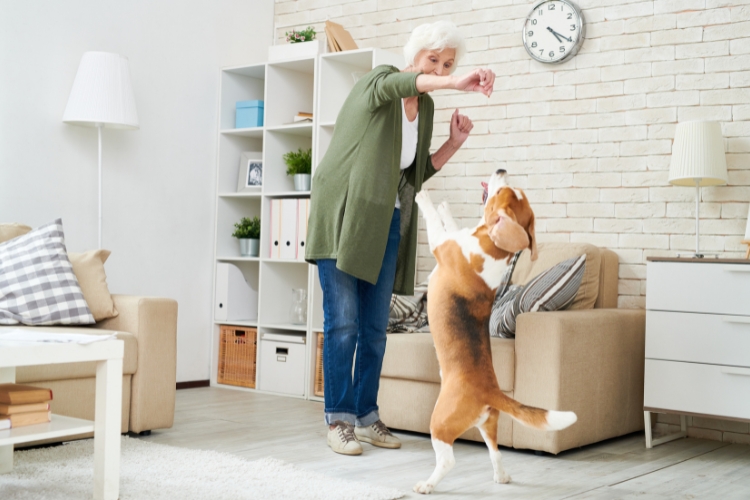
As your dog grows older, you may begin to notice small but meaningful changes in their daily routine and behavior. They may take longer to get up, show less excitement for long walks, or prefer resting over running. These changes are completely natural, but they do not mean your dog should stop being active altogether. Movement still plays an important role in keeping their body strong and their mind engaged.
Low-impact exercise offers a safe and effective way to support your dog’s health without putting too much strain on their joints or muscles. Choosing the right activities, following effective senior pet care tips, and adjusting them to your dog’s comfort level can help them stay active for many years.
Why Staying Active Matters for Senior Dogs
Exercise remains essential even as dogs enter their later years, as it supports both physical and emotional health in meaningful ways. Regular activity helps maintain muscle tone, which becomes increasingly important as aging naturally leads to muscle loss. It also supports joint flexibility, allowing your dog to move with less discomfort during daily activities.
Beyond physical benefits, exercise provides mental stimulation that helps prevent boredom and confusion. Dogs thrive on routine and interaction, and gentle movement can improve their mood and overall behavior. A consistent routine also plays a key role in senior pet care, as it helps maintain a sense of normalcy and comfort in your dog’s life.
Understanding Your Dog’s Changing Body
As dogs age, their bodies go through several changes that directly affect how they move and respond to activity. You may notice reduced stamina, slower recovery after exercise, or stiffness, especially after rest. These changes require a thoughtful approach to daily movement planning.
It is important to recognize that the needs of older dogs differ from those of younger dogs. Older dogs may benefit more from shorter, controlled activities than from long, intense sessions. Paying attention to their comfort level, breathing pattern, and overall energy can help you create a safe and supportive routine that matches their abilities.
Gentle Walking Routines That Work Better
Walking remains one of the most reliable and beneficial forms of low-impact exercise for older dogs. However, the way you approach walks should change as your dog ages to ensure comfort and safety.
- Shorter walks with more frequency can be more effective.
Instead of taking one long walk each day, consider dividing it into two or three shorter sessions. It helps reduce fatigue while still allowing your dog to stay active throughout the day. - Choose softer surfaces to reduce joint strain.
Walking on grass, dirt paths, or other soft surfaces can be easier on your dog’s joints compared to hard pavement. It’s a small adjustment that can make a noticeable difference in their comfort. - Allow your dog to set the pace naturally.
Older dogs benefit from a slower, steadier walking pace that matches their energy levels. Letting them pause, sniff, and explore also adds mental stimulation, which supports overall well-being.
Swimming as a Low-Impact Exercise Option
Swimming is an excellent choice for dogs who need movement without added pressure on their joints. The water provides natural support, allowing your dog to move freely while minimizing discomfort.
- Water reduces stress on joints during movement.
Since the body is supported in water, your dog can exercise without putting weight on sensitive areas like the hips and knees, making swimming especially helpful for dogs with stiffness or joint issues. - It gently offers a full-body workout.
Swimming engages multiple muscle groups at once, helping maintain strength and flexibility. At the same time, it avoids the impact that comes with running or jumping on solid ground. - Supervision ensures safety and builds confidence.
Always stay close to your dog while they are in the water, especially if they are new to swimming. Gradual introduction and positive encouragement can help them feel more comfortable.
Indoor Activities for Comfortable Movement
There will be days when outdoor activity may not be ideal due to weather or your dog’s energy level. Indoor exercises can provide a safe and controlled way to keep your dog moving without overexertion.
- Gentle play sessions keep the body active indoors.
Simple games like rolling a ball across the floor or a light tug with a soft toy can encourage movement without causing strain. These activities are easy to adjust to your dog’s comfort level. - Short training sessions stimulate both body and mind.
Practicing basic commands or introducing simple new cues can keep your dog engaged, supporting quality of life by combining mental focus with light physical effort. - Creating a safe space prevents slips and injuries.
Make sure the floor surface is not too slippery, as older dogs may have difficulty maintaining balance. Adding rugs or mats can improve traction.
Gentle Stretching and Mobility Support
Stretching can be a helpful addition to your dog’s routine, especially when done in a calm and controlled manner. It supports flexibility and helps reduce stiffness that often comes with aging.
- Encouraging natural movements improves flexibility.
You can guide your dog to reach for a treat placed slightly to the side or above their head. These small movements gently stretch muscles without causing discomfort. - Sit-to-stand exercises build strength gradually.
Asking your dog to sit and stand slowly can help maintain muscle tone in their legs. Make sure it is always done at a relaxed pace. - Light massage promotes relaxation after activity.
A gentle massage can improve circulation and help your dog recover after exercise, providing a calming feel that strengthens your bond.
Keeping Playtime Safe and Enjoyable
Playtime remains an important part of your dog’s life, even as they grow older. However, it should be adapted to match their current abilities and comfort level.
- Short sessions prevent overexertion and fatigue.
Limiting playtime to a few minutes at a time helps your dog stay active without becoming too tired. You can repeat these sessions throughout the day. - Soft toys reduce the risk of strain or injury.
Choosing lightweight, gentle toys ensures your dog can play comfortably. Avoid toys that require sudden movements or jumping. - Calm interactions still provide emotional connection.
Even simple activities like gentle fetch or guided play can bring joy and strengthen your relationship with your dog.
Watching for Signs of Discomfort
Monitor your dog closely during and after exercise to ensure they are not facing discomfort or strain. Their body language often provides clear signals about how they feel.
- Changes in movement may indicate discomfort.
Don’t ignore signals like limping, stiffness, or hesitation to continue activity, which can be signs that your dog needs rest. - Breathing patterns can reveal overexertion.
Heavy or rapid breathing beyond normal levels may indicate that the activity was too intense. Take turns at slowing down or stopping to avoid overexertion. - Behavioral changes can reflect physical stress.
If your dog becomes unusually quiet or avoids activity, it may be time to adjust their routine. Listening to these cues is an important part of responsible care.
Building a Consistent and Supportive Routine
A well-planned routine helps your dog feel secure and comfortable in their daily life. Consistency also makes it easier to manage their energy levels and overall health.
- Regular timing creates a sense of stability.
Exercising at the same time each day helps your dog know what to expect, which can reduce stress and improve behavior. - Balanced activities support long-term health.
Combining walking, light play, and mental exercises helps keep your dog active without being overwhelmed. - Rest is just as important as activity.
Allowing time for rest and recovery helps prevent fatigue and keeps your dog comfortable. A good routine always includes both movement and relaxation.
Keep Their Golden Years Bright and Comfortable
Caring for an aging dog requires patience, attention, and thoughtful adjustments to their daily routine. Low-impact exercise provides a simple yet powerful way to support their health, comfort, and happiness. By focusing on gentle activities and paying close attention to their needs, you can help your dog enjoy each day with ease and confidence.
If you need guidance on creating the right exercise plan for your senior dog, book an appointment at Rea Road Animal Hospital for personalized care and support. We are committed to helping your pet stay active and comfortable through every stage of life.
FAQs
1. How often should I exercise my senior dog?
Most older dogs benefit from daily activity, but the duration and intensity should match their comfort level. Short and consistent sessions are usually more effective than long workouts.
2. Can older dogs still learn new activities?
Yes, senior dogs can still learn and enjoy new activities, especially when they are introduced gradually and with positive reinforcement.
3. What is the safest type of exercise for aging dogs?
Low-impact exercises like walking, swimming, and gentle indoor play are generally safe and beneficial for older dogs.
4. How can I tell if my dog is too tired?
Signs such as slowing down, heavy breathing, or reluctance to continue activity indicate that your dog may need rest.
5. Should I consult a veterinarian before starting a new routine?
Yes, it is always a good idea to consult a veterinarian to ensure the exercise plan is suitable for your dog’s health condition.


New Furry Friends Welcome.
Schedule a Same-Day or Next Day Visit!