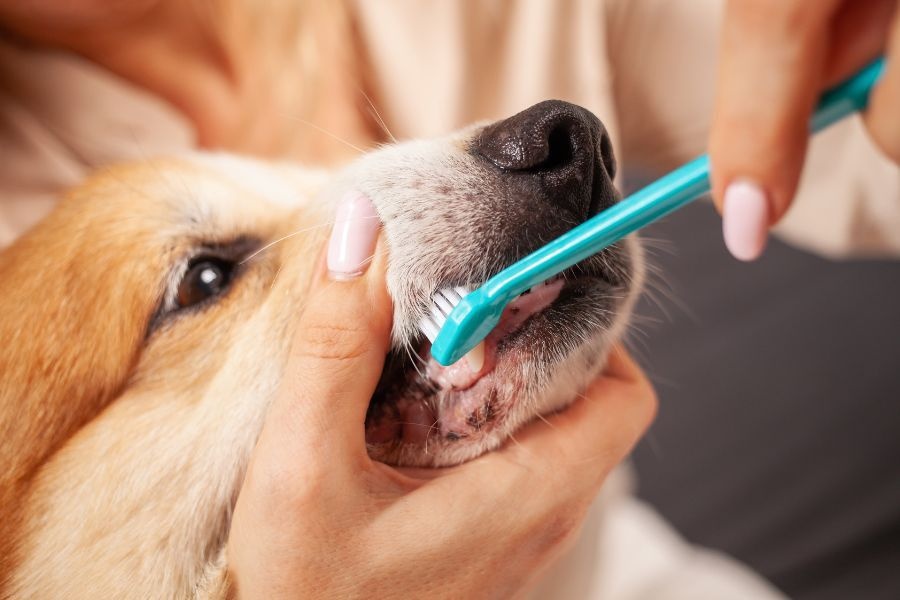
If you’ve been wondering whether professional pet dental cleaning is really necessary, you’re not alone. Many pet owners in Charlotte are surprised to learn just how important oral health is to their pet’s overall wellbeing. Regular dental care for dogs and cats can prevent serious health issues — and understanding what actually happens during a cleaning can help you feel confident booking that appointment.
Why Pet Dental Cleaning Matters
Dental disease is one of the most common health conditions seen in dogs and cats. By the time a pet reaches three years of age, the majority of them already show early signs of periodontal disease. Left untreated, bacteria from the mouth can enter the bloodstream and affect the heart, kidneys, and liver — organs vital to your pet’s long-term health.
Professional pet dental cleaning goes far beyond what a toothbrush at home can accomplish. It removes hardened tartar and plaque from areas your pet simply won’t let you reach, including below the gumline where bacteria thrive. Think of it as the deep clean your pet’s mouth needs to stay truly healthy.
Dog dentistry and cat dentistry share many similarities, but both require a trained veterinary team to perform safely. What works for humans at the dentist’s office doesn’t always translate to our four-legged companions — which is exactly why professional care makes such a difference.
Before the Cleaning: Pre-Anesthetic Evaluation
Every professional pet dental cleaning begins well before your pet opens their mouth. Your veterinarian will first conduct a thorough physical examination to assess your pet’s overall health. Blood work is typically recommended to check organ function and ensure your pet is a safe candidate for anesthesia.
You might wonder — why does dental care require anesthesia at all? Unlike humans, pets cannot be told to sit still, hold their breath, or open wide on command. Anesthesia keeps your pet safe, comfortable, and completely still so the veterinary team can do a thorough job without causing distress or accidental injury.
Modern anesthetic protocols are very safe when supervised by a trained team. Your pet’s vital signs — heart rate, oxygen levels, blood pressure, and body temperature — are continuously monitored throughout the entire procedure. This careful oversight is a standard part of what makes professional dental care worth the investment.
During the Cleaning: What Actually Happens
Once your pet is safely under anesthesia, the veterinary team gets to work. The process closely mirrors what happens at a human dental office — but adapted for dogs and cats. Here’s what takes place during a standard pet dental cleaning:
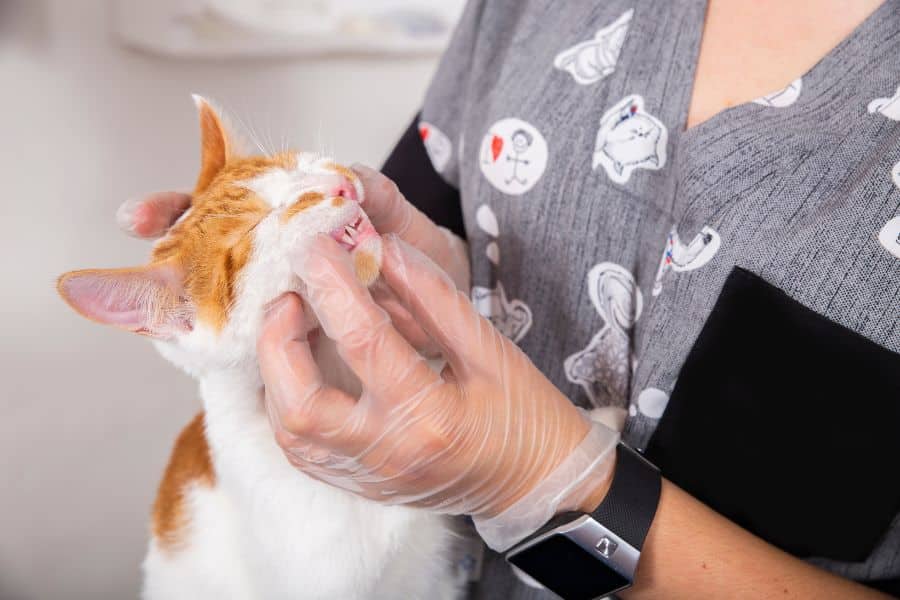
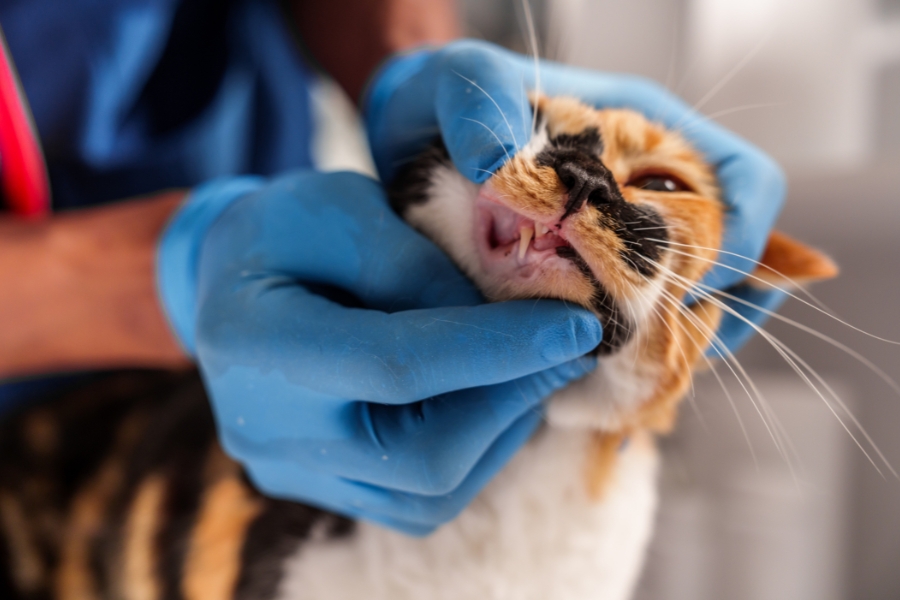
Full oral examination: The veterinarian carefully examines every tooth, the gums, the tongue, and the soft tissues of the mouth. This is often the most comprehensive look your pet’s mouth gets, especially since many pets resist oral exams when awake.
Dental X-rays: Dental radiographs reveal what’s happening below the gumline — areas that look healthy on the surface can hide serious problems underneath. X-rays are considered an essential part of quality dental care and help catch issues like bone loss, root infections, or fractured teeth early.
Scaling and cleaning: Using specialized dental instruments, the team removes plaque and tartar from the surface of each tooth and carefully cleans below the gumline. This step is the heart of professional pet dental cleaning and cannot be replicated with home brushing alone.
Polishing: After scaling, each tooth is polished to smooth the surface. This helps slow future plaque buildup and leaves your pet’s teeth fresh and clean.
Extractions (if needed): If a tooth is severely diseased, fractured, or causing pain, extraction may be the most humane option. Your veterinarian will discuss this with you beforehand whenever possible.
After the Cleaning: Recovery and Home Care
Most pets bounce back quickly after a professional dental cleaning. Once the anesthesia wears off, your pet may be a little groggy for the rest of the day, but the majority are back to their normal selves by the following morning. Your veterinary team will give you specific aftercare instructions based on what was done during the procedure.
If your pet had extractions or more intensive work done, a short course of pain medication or antibiotics may be prescribed. Soft food for a few days is also commonly recommended to give the mouth time to heal comfortably.
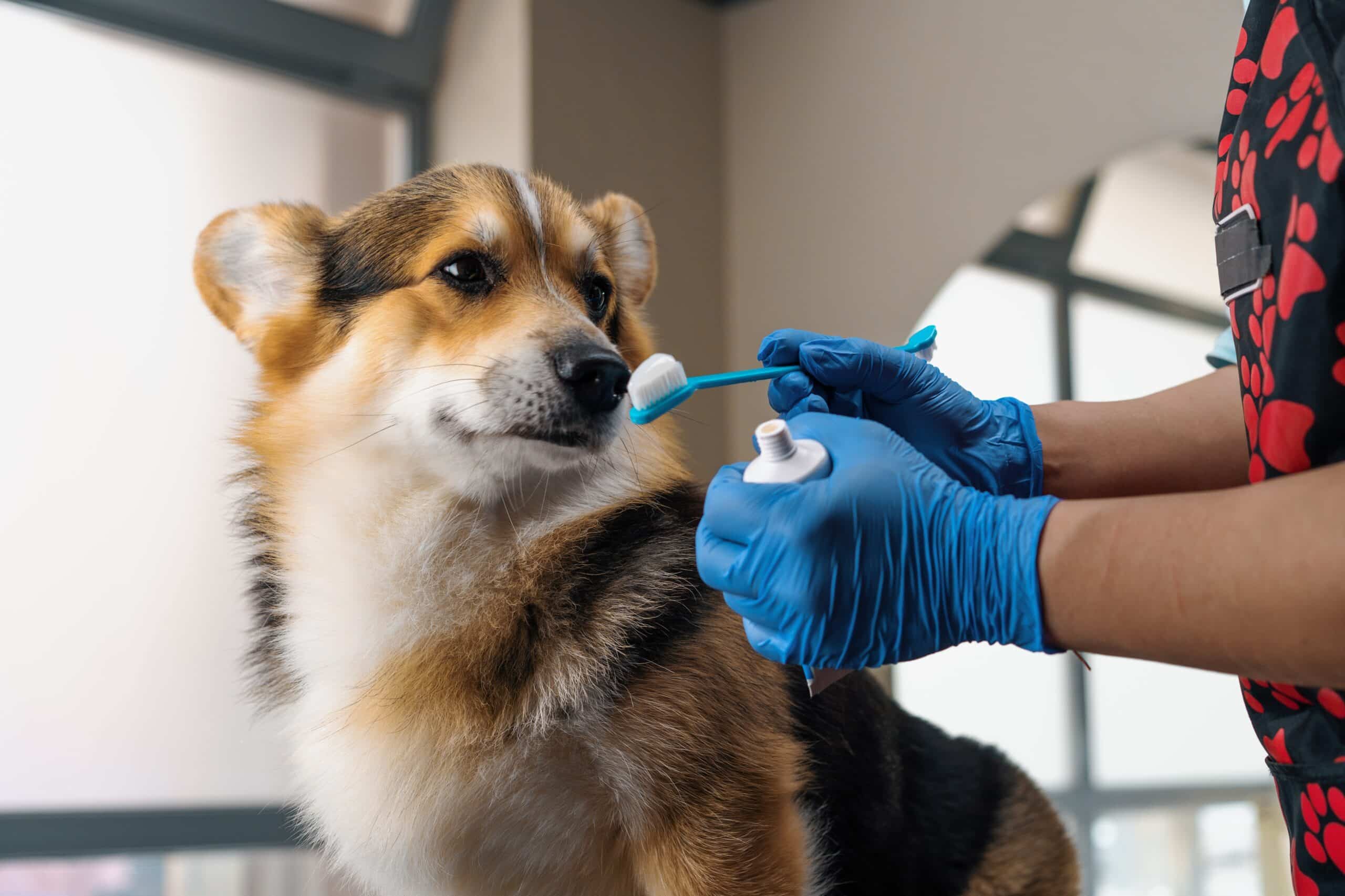
To maintain your pet’s oral health between professional cleanings, daily tooth brushing using pet-safe toothpaste is ideal. Dental chews, water additives, and specially formulated dental diets can also help. Your veterinarian can recommend the best at-home dental care routine suited to your specific dog or cat.
Conclusion: Give Your Pet a Healthier, Happier Smile
Professional pet dental cleaning is one of the most impactful things you can do for your dog or cat’s long-term health. From the pre-anesthetic evaluation to the post-cleaning polish, every step is designed with your pet’s safety and comfort in mind. Whether it’s your first time scheduling a dental appointment or you’re due for your pet’s next cleaning, knowing what to expect makes the whole process much easier.
If you’re in Charlotte and looking for experienced, compassionate dental care for your dog or cat, the team at Rea Road Animal Hospital is here to help. We combine the latest dental techniques with personalized attention to make sure every pet gets the smile they deserve.
At Rea Road Animal Hospital, we are committed to keeping your pet’s teeth clean, healthy, and pain-free for years to come. Book your pet’s dental appointment today and give them the comprehensive dental care they deserve.
Frequently Asked Questions
Q1. How often does my pet need a professional dental cleaning?
Most dogs and cats benefit from a professional dental cleaning once a year. However, some breeds — especially small dogs and flat-faced breeds — may need more frequent cleanings due to their tooth structure. Your veterinarian will recommend a schedule based on your individual pet’s needs.
Q2. Is anesthesia during pet dental cleaning safe?
Yes — when performed by a trained veterinary team with proper monitoring, anesthesia is considered very safe for healthy pets. Pre-anesthetic bloodwork helps identify any risk factors in advance, and vital signs are monitored continuously throughout the procedure to ensure your pet’s safety.
Q3. What are the signs my pet needs a dental cleaning soon?
Common warning signs include bad breath, yellow or brown buildup on the teeth, red or swollen gums, drooling, difficulty eating, or pawing at the mouth. If you notice any of these in your dog or cat, it’s a good idea to schedule a dental evaluation as soon as possible.
Q4. Can I get my pet’s teeth cleaned without anesthesia?
Anesthesia-free dental cleanings are not recommended by veterinary dental specialists. Without anesthesia, it’s impossible to safely clean below the gumline — where the most harmful bacteria hide — or take dental X-rays. Proper pet dental cleaning requires a still, relaxed patient to be done thoroughly and safely.
Q5. How can I find quality pet dental cleaning services in Charlotte?
Look for a veterinary clinic that includes dental X-rays, full oral exams, and continuous anesthetic monitoring as part of their dental cleaning protocol. Rea Road Animal Hospital in Charlotte offers comprehensive dental care for both dogs and cats, combining modern equipment with a caring, experienced team.
New Furry Friends Welcome.
Schedule a Same-Day or Next Day Visit!