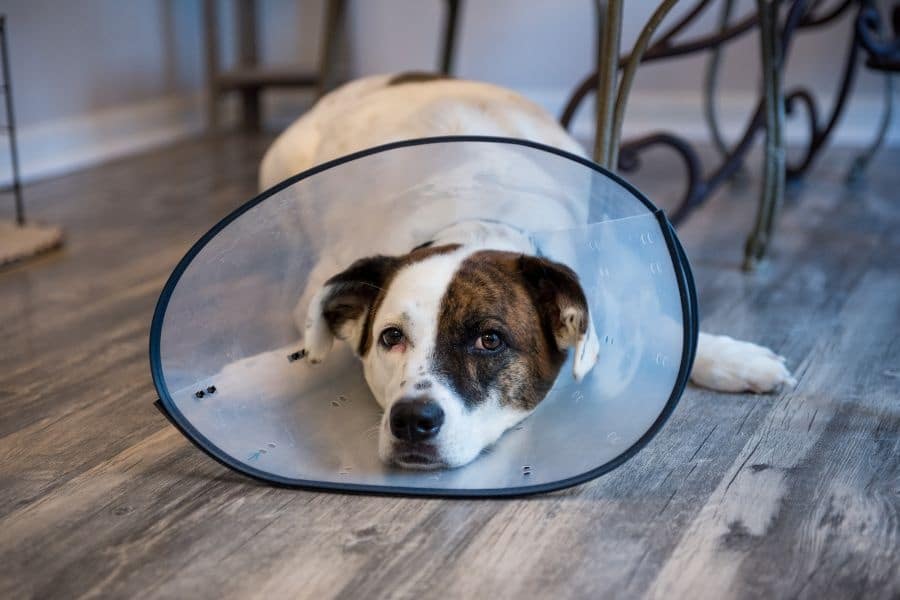
A dog recovering from orthopedic surgery may need more than rest to get back to normal movement. After procedures such as TPLO surgery, ACL repair, or while managing chronic arthritis, controlled rehabilitation can help support strength, flexibility, and mobility. For many dogs, combining hydrotherapy with laser therapy creates a well rounded approach to recovery.
In Charlotte, pet owners have access to rehabilitation options that can be tailored to a dogs condition, age, mobility level, and recovery goals. When used under veterinary guidance, dog laser therapy and carefully planned physical rehabilitation can work together to support healing while helping dogs gradually return to daily activities.
Why Rehabilitation Matters After Orthopedic Problems
Surgery addresses the underlying problem, but recovery continues long after the procedure. Dogs can lose muscle strength when activity is restricted. They may also develop stiffness or change the way they walk to protect a painful limb.
Without appropriate rehabilitation, these changes can affect movement and place additional strain on other joints.
A structured rehabilitation plan may focus on:
- Restoring comfortable movement
- Supporting muscle strength
- Improving balance and coordination
- Encouraging appropriate weight bearing
- Reducing stiffness
- Helping dogs gradually return to normal activity
The exact plan depends on the individual patient. A dog recovering from TPLO surgery may have very different needs from an older dog living with arthritis.
How Dog Laser Therapy Supports Recovery
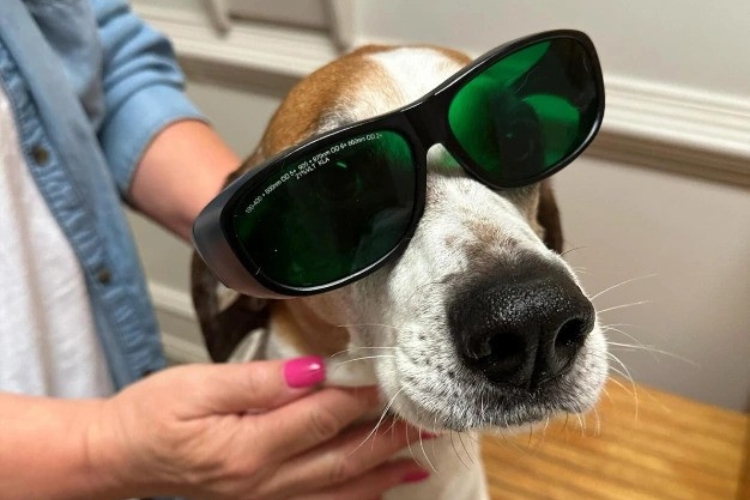
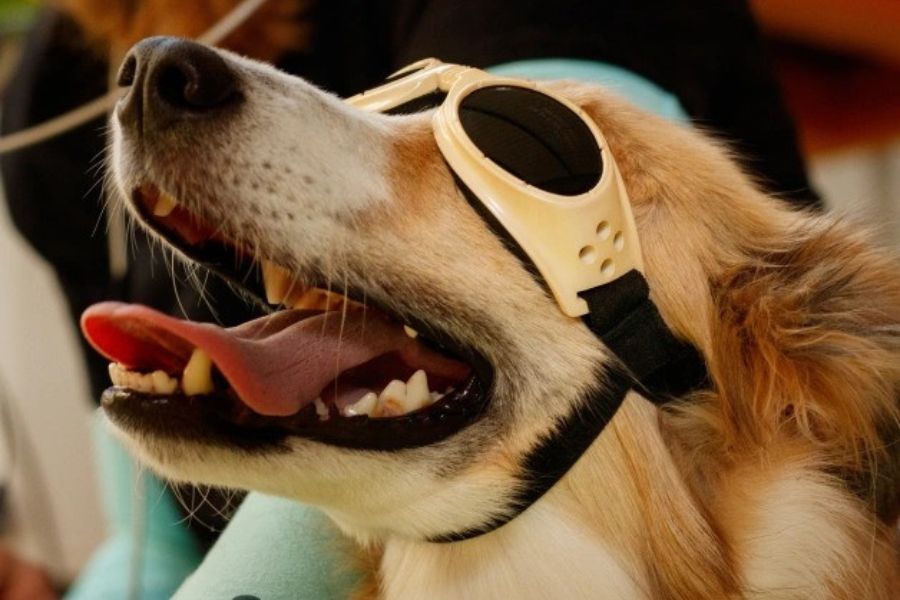
Dog laser therapy uses focused light energy applied to targeted areas of the body. Veterinary rehabilitation professionals may use this therapy as part of a broader recovery plan.
The goal is to support cellular activity and encourage the bodys natural healing processes. Laser therapy may also help manage discomfort and inflammation associated with certain orthopedic conditions.
For a dog that is hesitant to move because of discomfort, supporting comfort can make participation in rehabilitation exercises easier.
Laser therapy does not replace exercise or physical rehabilitation. Instead, it can complement other therapies by addressing different parts of the recovery process.
Why Hydrotherapy Can Help Dogs Regain Strength
Hydrotherapy uses water to provide a controlled exercise environment. The buoyancy of water reduces the amount of weight placed on a dogs joints while still allowing the muscles to work.
This can be particularly useful for dogs that cannot yet tolerate extended activity on land.
Depending on the dogs condition and rehabilitation stage, water based exercise may help:
- Build muscle gradually
- Encourage controlled limb movement
- Improve endurance
- Support joint mobility
- Promote confidence during movement
The resistance provided by water can also make movement more challenging without requiring the same level of impact associated with some land based exercises.
Why Combining Both Therapies Can Be Useful
Hydrotherapy and laser therapy work in different ways. That difference is one reason they can complement each other within an individualized rehabilitation plan.
Laser therapy focuses on supporting the tissues involved in recovery, while hydrotherapy provides controlled physical activity. One approach supports the biological side of healing, while the other encourages movement and functional strength.
For example, consider a dog recovering from TPLO surgery. During the early recovery period, the dog may have limited mobility and reduced muscle use. A veterinarian may recommend appropriate laser therapy while gradually introducing controlled rehabilitation exercises.
As healing progresses, water based exercise may help the dog rebuild strength without immediately placing full physical demands on the recovering limb.
This type of progression can be adjusted according to the dogs response.
Supporting Canine Joint Mobility During Arthritis
Rehabilitation is not limited to dogs recovering from surgery. Older dogs with arthritis may also benefit from carefully planned physical therapy.
Arthritis can create a cycle where discomfort leads to less activity, reduced activity leads to muscle loss, and weaker muscles make movement more difficult.
A rehabilitation program can help interrupt this cycle.
Canine joint mobility care may include controlled exercises, hydrotherapy, stretching, weight management guidance, and other supportive therapies. Laser therapy may also be incorporated when considered appropriate by the veterinary team.
The objective is not to push an arthritic dog beyond its limits. The goal is to encourage safe, comfortable movement that supports daily function.
What a Personalized Rehabilitation Plan Looks Like
There is no single recovery routine that works for every dog.
Before recommending rehabilitation, a veterinary professional may consider the dogs diagnosis, surgical history, age, body condition, mobility, temperament, and current activity level.
A rehabilitation program may change over time.
Early sessions might focus on gentle movement and comfort. Later stages may introduce strengthening exercises, balance work, controlled walking, or hydrotherapy.
Progress should be monitored rather than assumed. If a dog becomes unusually tired, reluctant to participate, or shows increased discomfort after an activity, the rehabilitation plan may need adjustment.
Combining Physical Rehabilitation With Veterinary Guidance
Pet owners sometimes assume that more exercise will automatically produce faster recovery. That is not always true.
Too much activity too early can interfere with healing, particularly after orthopedic procedures. On the other hand, excessive inactivity can contribute to muscle weakness and stiffness.
This is why dog physical rehabilitation and laser therapy Charlotte programs should be designed around the individual patient.
Veterinary guidance helps determine which activities are appropriate and when they should be introduced. The rehabilitation plan can then progress as the dog demonstrates improved strength and comfort.
What Charlotte Dog Owners Should Expect
If your dog is recovering from orthopedic surgery or struggling with arthritis, ask your veterinary team whether rehabilitation may be appropriate.
A professional evaluation can help identify mobility limitations and establish realistic recovery goals. Depending on the condition, the plan may include dog laser therapy, hydrotherapy, therapeutic exercises, controlled walking, or several approaches used together.
For dogs recovering from TPLO procedures, rehabilitation may be especially important because rebuilding strength and restoring proper movement can take time.
Owners should think of recovery as a gradual process rather than a single treatment.
Building a Stronger Path Back to Daily Life
The ultimate goal of rehabilitation is not simply completing therapy sessions. It is helping a dog return to comfortable and functional movement.
A carefully structured combination of laser therapy and low impact exercise may support different aspects of recovery. Laser therapy can complement the healing process, while hydrotherapy can help rebuild strength and encourage movement with reduced joint loading.
For Charlotte dogs recovering from orthopedic procedures or managing arthritis, canine joint mobility care can become an important part of long term wellness.
If your dog needs rehabilitation support, talk with the veterinary team about whether a combination of therapies could fit their specific condition. A personalized plan can provide a safer path toward improved mobility, strength, and everyday comfort.
Schedule a Rehabilitation Consultation
If your dog is recovering from orthopedic surgery, experiencing mobility limitations, or living with arthritis, professional rehabilitation may help support the next stage of recovery.
Rea Road Animal Hospital can evaluate your dogs needs and discuss appropriate rehabilitation options, including therapies that may complement surgical recovery and ongoing joint care. Schedule an online appointment to discuss your dogs mobility and create a care plan suited to their individual needs.
Taking action early can help you better understand your dogs recovery needs and provide appropriate support as they work toward comfortable movement.
Frequently Asked Questions
Q1. Can laser therapy be used after TPLO surgery?
Ans: Laser therapy may be included in a rehabilitation plan for some dogs after TPLO surgery. The appropriate timing and frequency depend on the dogs surgical recovery, overall health, and veterinary assessment. It should be used as part of a broader recovery plan rather than as a replacement for controlled rehabilitation.
Q2. Is hydrotherapy appropriate for every dog recovering from surgery?
Ans: No. Hydrotherapy is not automatically appropriate for every surgical patient. The dogs healing stage, surgical procedure, mobility, strength, and overall health should be evaluated first. A veterinary rehabilitation professional can determine whether water based exercise is suitable and when it can safely begin.
Q3. How does rehabilitation help a dog with arthritis?
Ans: Controlled rehabilitation can help dogs maintain muscle strength, flexibility, balance, and joint movement. Activities are adjusted to the dogs abilities so that movement remains manageable. A personalized plan may combine therapeutic exercises with other supportive approaches to help maintain daily mobility.
Q4. How long does canine rehabilitation take after orthopedic surgery?
Ans: Recovery time varies considerably between dogs and procedures. Factors such as surgical type, age, muscle condition, overall health, and response to therapy can affect progress. Rehabilitation is usually adjusted gradually as the dog demonstrates improved strength and comfortable movement.
Q5. Can laser therapy replace physical rehabilitation exercises?
Ans: Laser therapy and physical rehabilitation serve different purposes, so one does not necessarily replace the other. Laser therapy may support tissue recovery and comfort, while therapeutic exercises help improve strength, coordination, and functional movement. A veterinary professional can determine which combination is appropriate.
New Furry Friends Welcome.
Schedule a Same-Day or Next Day Visit!