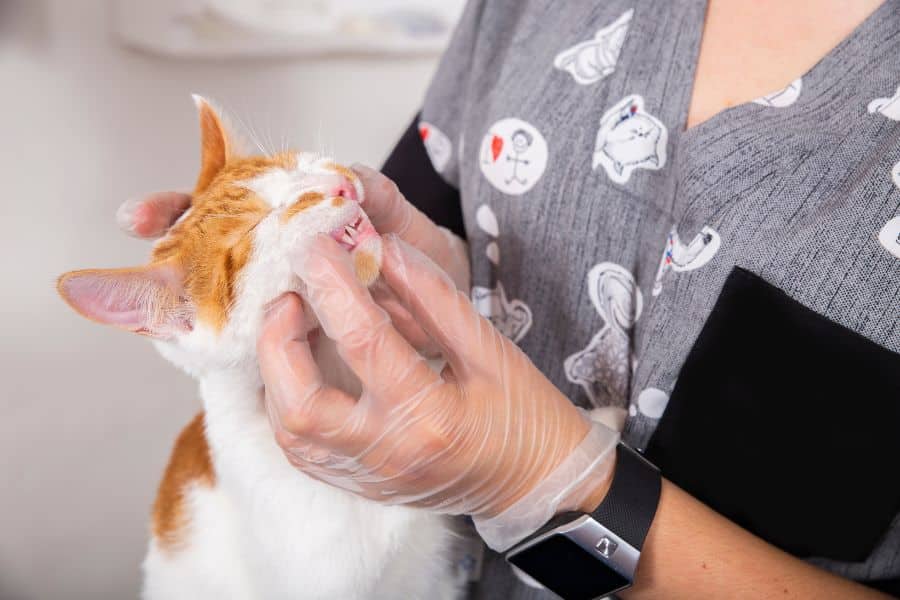
A cat’s mouth can look perfectly normal at first glance, yet important dental changes may be developing below the gumline. This is one reason a professional cat dental examination involves more than simply looking at the visible teeth. Areas hidden beneath the gums can contain plaque, tartar, inflammation, tooth damage, or other concerns that may not be obvious during a routine look at home.
For cat owners in Charlotte, understanding what happens during a dental evaluation can make it easier to recognize why professional cat dental care matters. At Rea Road Animal Hospital, your veterinary team can assess your cat’s oral health and help determine what type of dental attention may be appropriate.
Why the Gumline Matters in Cats
The visible portion of a tooth is only part of the story. A significant portion of each tooth extends beneath the gumline, where it cannot be properly evaluated by simply opening your cat’s mouth and looking inside.
Dental disease can affect the tissues surrounding teeth as well as the teeth themselves. Plaque can accumulate along the gumline, while bacteria can contribute to inflammation of the surrounding tissues.
As dental changes progress, cats may not always show obvious signs. Some continue eating normally even when their mouths are uncomfortable. This is why regular professional assessment is an important part of ongoing cat dental care.
What a Cat Dental Examination Looks For
A veterinary dental examination begins with an assessment of the mouth and visible teeth. Your veterinarian may look for signs such as plaque, tartar buildup, red or swollen gums, damaged teeth, unusual odors, or changes in the appearance of oral tissues.
The veterinarian also considers your cat’s overall health and behavior. A cat that becomes reluctant to have its face touched, drops food, chews differently, or develops changes in eating habits may be showing signs that deserve further evaluation.
A visible examination can identify many concerns, but it cannot provide a complete picture of structures hidden below the gumline. That is where additional dental evaluation may become important.
What Can Be Hidden Below the Gumline?
Several dental concerns can develop in areas that owners cannot see at home.
Inflammation may extend around the tooth and supporting tissues. A tooth may also have damage that is not visible from its outer surface. Certain feline dental conditions can involve changes within the tooth or beneath the gumline, making them difficult to recognize through visual inspection alone.
This is why a cat dental examination should not be viewed as simply checking whether the teeth look clean. A comprehensive evaluation is intended to understand the condition of the mouth, teeth, gums, and supporting structures.
Why Dental Imaging May Be Important
Dental X-rays can provide information about structures that cannot be evaluated adequately through visual inspection.
When appropriate, dental imaging allows the veterinary team to examine tooth roots and surrounding bone. It can help identify changes that may otherwise remain hidden.
For cats, this can be particularly valuable because some dental problems involve areas beneath the gumline rather than obvious damage on the visible tooth surface.
Your veterinarian can determine whether dental imaging is appropriate based on the findings of the examination and your cat’s individual needs.
Understanding Tooth Roots and Supporting Structures
A healthy tooth depends on more than the portion that can be seen above the gums. The tooth root and surrounding structures help anchor the tooth in the jaw.
Changes affecting these areas can influence overall oral health. Dental imaging can help veterinarians evaluate the relationship between the visible crown, tooth roots, and surrounding bone.
This information may be useful when deciding how a particular tooth should be managed. It can also help the veterinary team develop a more informed dental care plan.
Why Cats May Hide Dental Discomfort
Cats are naturally skilled at masking signs of discomfort. A cat may continue eating despite having an oral problem, which can make dental disease easy to overlook.
Some cats show subtle changes instead. They may eat more slowly, prefer softer food, chew on one side, drop pieces of food, groom differently, or become less interested in certain activities.
Other cats may show no noticeable change at home.
Regular cat dental care therefore should not depend entirely on whether your cat appears uncomfortable. Professional examinations can identify changes before they become obvious to an owner.
What Your Veterinarian May Recommend
After evaluating your cat’s mouth, your veterinarian can explain what was observed and whether additional dental assessment is recommended.
Depending on the findings, your cat may need professional dental cleaning, dental imaging, monitoring, or further evaluation of individual teeth. The appropriate approach varies from one cat to another.
Factors such as age, oral condition, previous dental history, and overall health can all influence the recommended plan.
Rather than following the same dental routine for every cat, your veterinarian can help create an approach suited to your pet.
The Connection Between Dental Health and Overall Wellness
The mouth is part of your cat’s overall health. Persistent oral inflammation and dental disease can affect comfort, eating habits, and daily quality of life.
Maintaining good cat dental care is therefore about more than keeping teeth looking clean. It is about supporting comfortable eating and healthy oral tissues while identifying problems that may need professional attention.
Routine veterinary visits provide an opportunity to discuss your cat’s oral health and any changes you have noticed at home.
Signs Charlotte Cat Owners Should Watch For
Between veterinary visits, owners can pay attention to changes that could indicate an oral health concern.
Watch for persistent bad breath, changes in eating habits, drooling, pawing at the mouth, dropping food, reluctance to chew, facial sensitivity, or visible changes around the gums.
Not every change necessarily indicates a dental problem, but unusual or persistent signs are worth discussing with a veterinarian.
You can also make oral health part of your normal observations when interacting with your cat. Avoid forcing your cat’s mouth open if they resist. Instead, mention any concerns to your veterinary team.
Why Regular Cat Dental Care Matters
Dental health can change gradually, and cats may not always provide obvious clues when something is wrong. Regular professional evaluation can help identify oral changes and determine whether additional care is appropriate.
A cat dental examination provides an opportunity to evaluate the visible mouth and identify situations where deeper assessment may be useful.
For families in Charlotte, establishing an ongoing relationship with a veterinary team can make it easier to monitor changes over time. At Rea Road Animal Hospital, your cat’s dental health can be discussed as part of their broader veterinary care.
Schedule an Online Appointment With Rea Road Animal Hospital
If you have noticed changes in your cat’s breath, eating habits, chewing, grooming, or behavior, consider scheduling an online appointment with Rea Road Animal Hospital in Charlotte.
A veterinary consultation can help you understand your cat’s current oral health and determine whether a cat dental examination or additional dental evaluation may be appropriate. Regular cat dental care can help you stay proactive about your pet’s comfort and long-term wellness.
Frequently Asked Questions
Q1. Can a cat dental examination detect problems below the gumline?
Ans: A visual examination can identify certain oral concerns, but areas beneath the gumline cannot always be evaluated completely by looking at the mouth. Dental imaging may provide additional information when appropriate.
Q2. Why might my cat need dental X-rays?
Ans: Dental X-rays can help veterinarians examine tooth roots, surrounding bone, and other structures that are hidden beneath the gums. They can provide information that a visual examination alone may not reveal.
Q3. Can cats have dental problems without showing obvious symptoms?
Ans: Yes. Cats may continue eating and behaving normally even when they have an oral health concern. Subtle changes or no noticeable signs at home are possible.
Q4. What signs of dental problems should I watch for in my cat?
Ans: Changes such as persistent bad breath, drooling, difficulty chewing, dropping food, altered eating habits, pawing at the mouth, or sensitivity around the face can warrant discussion with your veterinarian.
Q5. How often should my cat receive a dental examination?
Ans: The appropriate frequency depends on your cat’s age, dental history, oral health, and individual needs. Your veterinarian can recommend a schedule based on your cat’s examination findings.
New Furry Friends Welcome.
Schedule a Same-Day or Next Day Visit!