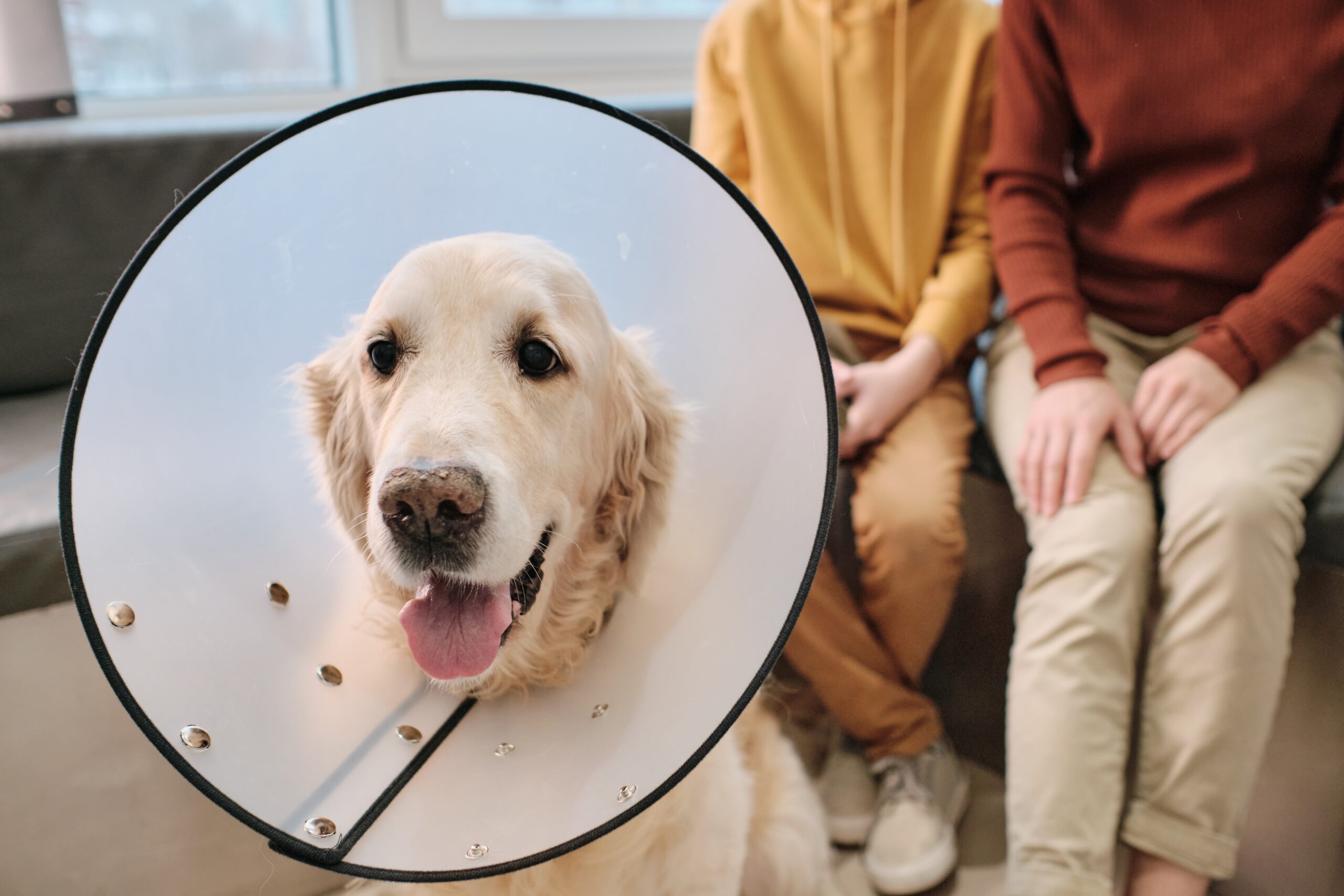
If your dog is suddenly limping, refusing to put weight on one of their hind legs, or seems in pain after playtime, they may have suffered a torn ACL. Known in dogs as a cranial cruciate ligament (CCL) injury, this condition is one of the most common orthopedic problems in canines. The ACL (or CCL) stabilizes the knee joint, and when torn, it can significantly affect your dog’s way of engagement, mobility, and quality of life.
But what’s the best treatment for a dog with a torn ACL? The answer hinges on a few key factors, like your dog’s age, size, how active they are, and their overall health. Let’s explore the available options so you can make the most informed decision for your furry companion.
Understanding ACL Injuries in Dogs
In humans, an ACL tear often happens due to sudden trauma, like a sports injury. In dogs, however, the ligament often weakens over time and eventually tears, even during routine activities like running or jumping. When it comes to large breeds like Labrador Retrievers, Rottweilers, and German Shepherds, they tend to be more vulnerable, but really, any dog can be affected.
Signs of a torn ACL in dogs include:
- Sudden limping or non-weight bearing on a back leg
- Stiffness, especially after resting
- Swelling around the knee
- Difficulty rising or jumping
- “Toe touching” when standing still
If you suspect a torn ACL, visit your vet promptly for an accurate diagnosis.
Treatment Options for a Torn ACL in Dogs
There are both surgical and non-surgical treatment options, each with its pros and cons. Here’s a breakdown:
1. Surgical Treatment
Surgery is generally considered the most effective and long-term solution, especially for medium to large dogs or very active pets.
a. TPLO (Tibial Plateau Leveling Osteotomy)
One of the go-to surgeries for dogs suffering from torn ACLs is TPLO. This technique cuts and rotates the tibia, or shin bone, to provide knee stability without relying on the ligament.
Recovery takes about 8-12 weeks.
Pros:
- Excellent long-term results
- Ideal for active dogs
- Lower risk of re-injury
Cons:
- Cost: $3,000 to $5,000 or more
- Requires a skilled orthopedic surgeon
- Long recovery period
b. TTA (Tibial Tuberosity Advancement)
Similar to TPLO, TTA also changes the mechanics of the knee to stabilize it. It’s suitable for certain knee structures and offers results comparable to TPLO.
c. Lateral Suture Technique (Extracapsular Repair)
This procedure uses a strong synthetic suture placed outside the joint to mimic the function of the torn ligament. It’s often used for small dogs under 50 pounds.
Pros:
- Less invasive
- Lower cost than TPLO
- Effective for smaller, less active dogs
Cons:
- Less durable for large or active dogs
- Higher chance of re-tearing
2. Non-Surgical Treatment
For dogs who are older, have health issues, or whose owners cannot pursue surgery, conservative treatment is an option. This may include:
- Strict rest: Limiting activity for several weeks
- Weight management: Reducing body weight to minimize stress on the joint
- Pain medication and anti-inflammatories
- Physical therapy: Gentle exercises to maintain muscle tone
- Bracing: A knee brace can help stabilize the joint temporarily
Pros:
- More affordable
- Avoids surgical risks
- Can be effective for small, older, or low-energy dogs
Cons:
- Does not repair the ligament
- Risk of chronic pain and arthritis
- Limited improvement in mobility for larger or active dogs
What’s the Best Option?
While every dog is different, surgery is typically the best treatment for a torn ACL, particularly for larger or active dogs. TPLO is the gold standard for many veterinarians due to its excellent outcomes and long-term stability. However, for smaller dogs or those with health concerns, the lateral suture technique or conservative management might be more appropriate.
Before deciding, consult with your veterinarian or a board-certified veterinary surgeon. They’ll take a look at your dog’s size, age, lifestyle, and overall health to suggest the best treatment plan for them.
Supporting Your Dog’s Recovery
No matter the treatment route, recovery is a critical part of the healing process. Dogs recovering from an ACL injury will need:
- A safe, confined space to rest
- Gradual reintroduction to activity
- Regular follow-up vet visits
- Physical therapy or rehab, when possible
Being patient and consistent during recovery can significantly improve your dog’s long-term outcome and help them return to their normal, happy selves.
A torn ACL is a painful and limiting injury for dogs, but it’s highly treatable. With the right approach, whether professional surgical care or a conservative one, most dogs can regain good function and quality of life. Work closely with your veterinarian to determine what’s best for your dog, and give them the love and support they need on the road to recovery.
New Furry Friends Welcome.
Schedule a Same-Day or Next Day Visit!