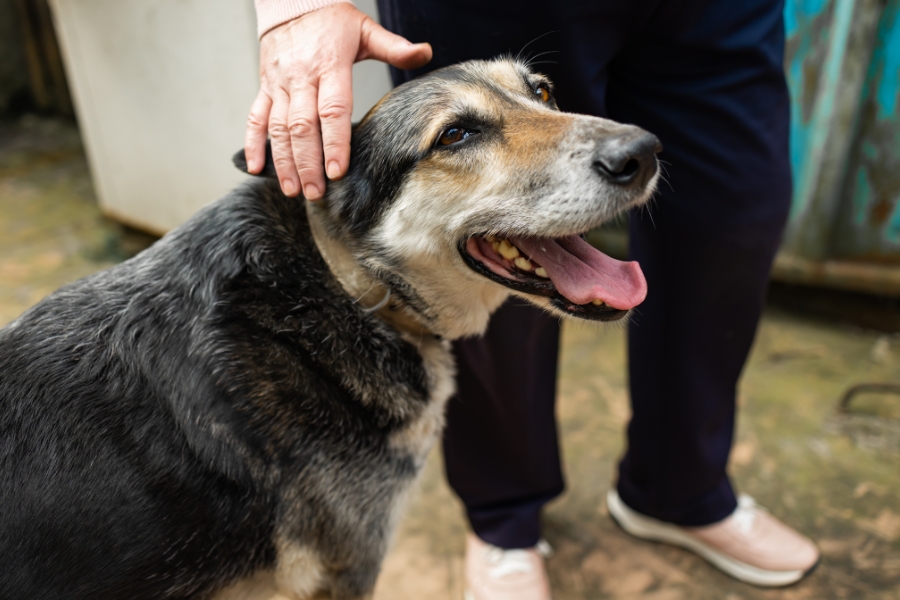
As dogs age, their needs begin to change. Just like humans, senior dogs require extra attention and care to maintain their health and happiness. Whether your furry companion is slowing down or facing age-related health challenges, there are many ways you can enhance their quality of life.
In this post, we’ll explore effective tips to help your senior dog live a longer, more comfortable, and more joyful life.
1. Adjust Their Diet to Match Their Age
One of the most critical aspects of senior dog care is proper nutrition. As dogs get older, their metabolism slows down, and they may become less active. This means they need fewer calories, but more nutrients.
Consider switching to a high-quality senior dog food that supports:
- Joint health with glucosamine and chondroitin
- Digestive health with fiber and probiotics
- Immune function with antioxidants
- Lean muscle maintenance with quality protein
Additionally, always ensure your dog has access to fresh water and avoid feeding them table scraps that may be too rich or harmful.
2. Keep Them Moving with Gentle Exercise
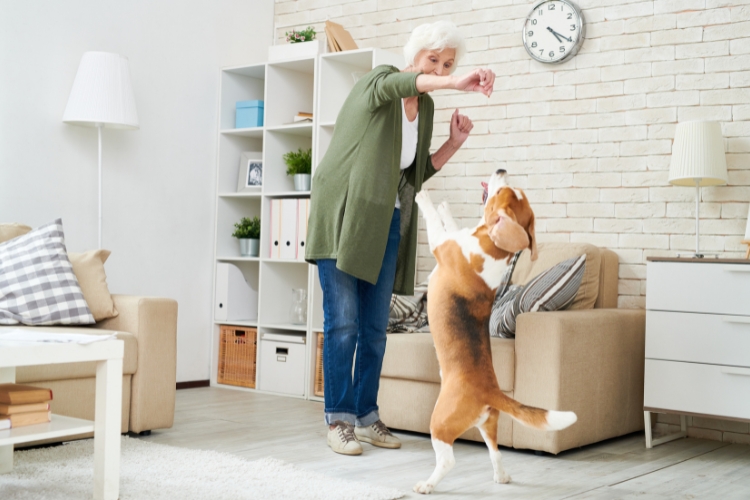
Even though your senior dog may not have the same energy as a puppy, they still need regular exercise to stay healthy. In fact, light physical activity can improve circulation, maintain joint flexibility, and prevent weight gain.
You can try:
- Daily short walks
- Light playtime with soft toys
- Swimming for low-impact joint movement
- Mental exercise, like solving puzzles or sniffing games
However, always observe your dog closely and avoid pushing them too hard. If they show signs of fatigue or discomfort, scale back the activity.
3. Schedule Regular Vet Visits
Routine veterinary care becomes even more important as dogs age. Instead of once-a-year checkups, most vets recommend bringing your senior dog in every six months.
During these visits, your vet can:
- Monitor for common age-related conditions such as arthritis, diabetes, or kidney disease
- Update necessary vaccinations
- Perform dental cleanings
- Adjust medication or supplements as needed
Early detection of health issues can lead to more effective treatment and a better prognosis.
4. Create a Comfortable Living Environment
Senior dogs often develop mobility issues or arthritis that make everyday activities more difficult. Small changes to their home environment can make a big difference in comfort and safety.
Some helpful adjustments include:
- Orthopedic dog beds for joint support
- Ramps or pet stairs for getting on furniture
- Non-slip rugs or mats on slippery floors
- Raised food and water bowls to ease neck strain
A warm, quiet place to rest away from drafts and noise can also help your senior dog relax and sleep better.
5. Stay on Top of Dental Care
Dental health is often overlooked, but it becomes crucial for senior dogs. Gum disease and tooth decay can lead to pain, difficulty eating, and even systemic infections that affect the heart and kidneys.
To maintain dental hygiene:
- Brush your dog’s teeth regularly with pet-safe toothpaste
- Provide dental chews approved by your vet
- Schedule professional cleanings as needed
Good oral hygiene can significantly improve your dog’s comfort and overall well-being.
6. Pay Attention to Behavioral Changes
As dogs age, their behavior can change. Some dogs may become more anxious, confused, or withdrawn. Others may lose interest in favorite activities or develop sleep disturbances.
These behavioral shifts can be signs of:
- Canine cognitive dysfunction (similar to dementia)
- Vision or hearing loss
- Chronic pain
- Anxiety or depression
Don’t ignore these signs. Speak with your vet about possible causes and treatments, such as calming supplements, medications, or environmental modifications.
7. Provide Love, Patience, and Companionship
Above all, your senior dog needs your love and patience. They may move slower, hear less, or need more naps, but they still crave affection and attention.
Keep a consistent routine, offer gentle praise, and spend quality time together. Your presence is one of the most comforting things for an aging pet.
Your senior dog has given you years of loyalty and love—it’s only right to return the favor by making their golden years as happy and comfortable as possible. With proper nutrition, regular exercise, veterinary care, and lots of love, you can significantly improve your dog’s quality of life.
If you’re looking for professional support or personalized advice, consider local services that specialize in senior dog care in Charlotte, NC. We offer a range of services, from wellness exams to pain management, tailored to your dog’s specific needs.
FAQs
Q1. At what age is a dog considered a senior?
Ans. Typically, dogs are considered seniors around 7 years old, though this varies by breed. Larger breeds may be seniors by age 6, while smaller breeds may not reach senior status until 8 or 9.
Q2. What is the best food for a senior dog?
Ans. The best food for senior dogs includes high-quality protein, low fat, added joint supplements, and ingredients that support digestive and immune health. Look for brands labeled for senior dogs and consult your vet.
Q3. How often should senior dogs see the vet?
Ans. Senior dogs should see a vet at least twice a year. More frequent visits may be needed if your dog has chronic conditions or shows signs of illness.
Q4. Can senior dogs still be trained?
Ans. Yes, senior dogs can learn new things! Use positive reinforcement, keep training sessions short, and be patient. Training can also help keep their mind sharp.
Q5. How can I help my senior dog with arthritis?
Ans. Provide a soft bed, consider joint supplements, maintain a healthy weight, and talk to your vet about medications or alternative therapies like acupuncture or laser treatment.
Q6. Is it normal for senior dogs to sleep more?
Ans. Yes, it’s normal for older dogs to sleep more. However, if your dog is excessively lethargic or shows other changes in behavior, consult your veterinarian.

New Furry Friends Welcome.
Schedule a Same-Day or Next Day Visit!