
Spaying and neutering your pet is one of the most meaningful choices you can make as a responsible pet parent. Beyond helping control the pet population, these procedures offer long-lasting health and behavioral benefits that contribute to a happier, safer life for your companion. Understanding the health benefits of spaying and neutering your pet can help you make confident, informed decisions about your pet’s care.
In this blog, we’ll explore how these procedures support overall wellness, why veterinarians recommend them, and what pet parents can expect throughout the process.
Health Benefits of Spaying Your Female Pet
Reduced Risk of Serious Diseases
One of the most significant health benefits of spaying your pet is the dramatic reduction in life-threatening conditions. By removing the ovaries and uterus, spaying virtually eliminates the risk of uterine infections—particularly pyometra, a dangerous condition common in unspayed females. It also greatly reduces the risk of mammary gland tumors, especially when performed before the first heat cycle.
No Heat Cycles or Associated Discomfort
Heat cycles can cause stress and discomfort for pets and frustration for pet owners. Pets in heat may vocalize loudly, attract unwanted attention from males, or exhibit restlessness. Spaying prevents these cycles entirely, allowing your pet to remain comfortable and more relaxed throughout the year.
Health Benefits of Neutering Your Male Pet
Decreased Risk of Testicular and Prostate Issues
Neutering your pet removes the risk of testicular cancer and significantly reduces the likelihood of prostate-related diseases. These conditions can be painful, costly to treat, and dangerous if left unaddressed. Neutering is a proactive way to prevent these concerns before they ever develop.
Improved Behavior and Reduced Aggression
Neutering often leads to noticeable improvements in behavior. Many male pets show reduced tendencies to roam, mount, mark territory, or act aggressively. These changes not only create a calmer home environment but also help keep pets safer by reducing their desire to wander in search of a mate.
Benefits for Both Pets and Pet Parents
A Longer, Healthier Life
One of the most important health benefits of spaying and neutering your pet is the potential for a longer life. Pets who undergo these procedures are less prone to hormone-related conditions and are generally healthier overall. Fewer health risks mean more happy years with your companion.
Lower Risk of Certain Behavioral Problems
Both spaying and neutering can reduce unwanted behaviors that may put pets in dangerous situations. From escaping the yard to engaging with aggressive animals, intact pets are more likely to experience accidents or injuries. By minimizing these behaviors, you help your pet avoid preventable risks.
Understanding the Procedure
Safe, Routine, and Performed Daily
Spaying and neutering are among the most common procedures performed in veterinary medicine. Modern techniques and monitoring equipment help ensure your pet’s safety from start to finish. Your veterinarian will provide pre-surgical instructions, pain management, and detailed aftercare guidance to support a smooth recovery.
What to Expect After Surgery
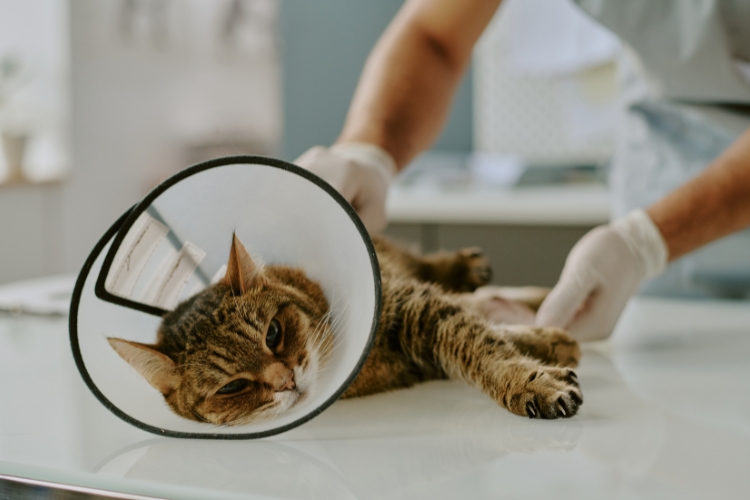
Most pets recover quickly—often within a week or two. Your veterinarian will explain how to keep your pet comfortable, manage activity levels, and monitor the incision. With proper care, healing is typically fast and complication-free.
Why Choosing to Spay or Neuter is an Act of Love
A Commitment to Your Pet’s Health and Happiness
Opting for this procedure is more than a responsible decision—it’s a compassionate one. You’re giving your pet the gift of better health, safer behaviors, and a longer life with the family they love.
Understanding the health benefits of spaying and neutering your pet empowers you to make decisions that support your companion’s long-term well-being. From preventing serious diseases to reducing stress-related behaviors, these procedures offer a wide range of health advantages that contribute to a more fulfilling life for your pet.
If you’re considering scheduling this procedure, now is the perfect time to speak with your veterinarian. A simple appointment can set your pet on a path to improved health, safety, and overall happiness.


New Furry Friends Welcome.
Schedule a Same-Day or Next Day Visit!