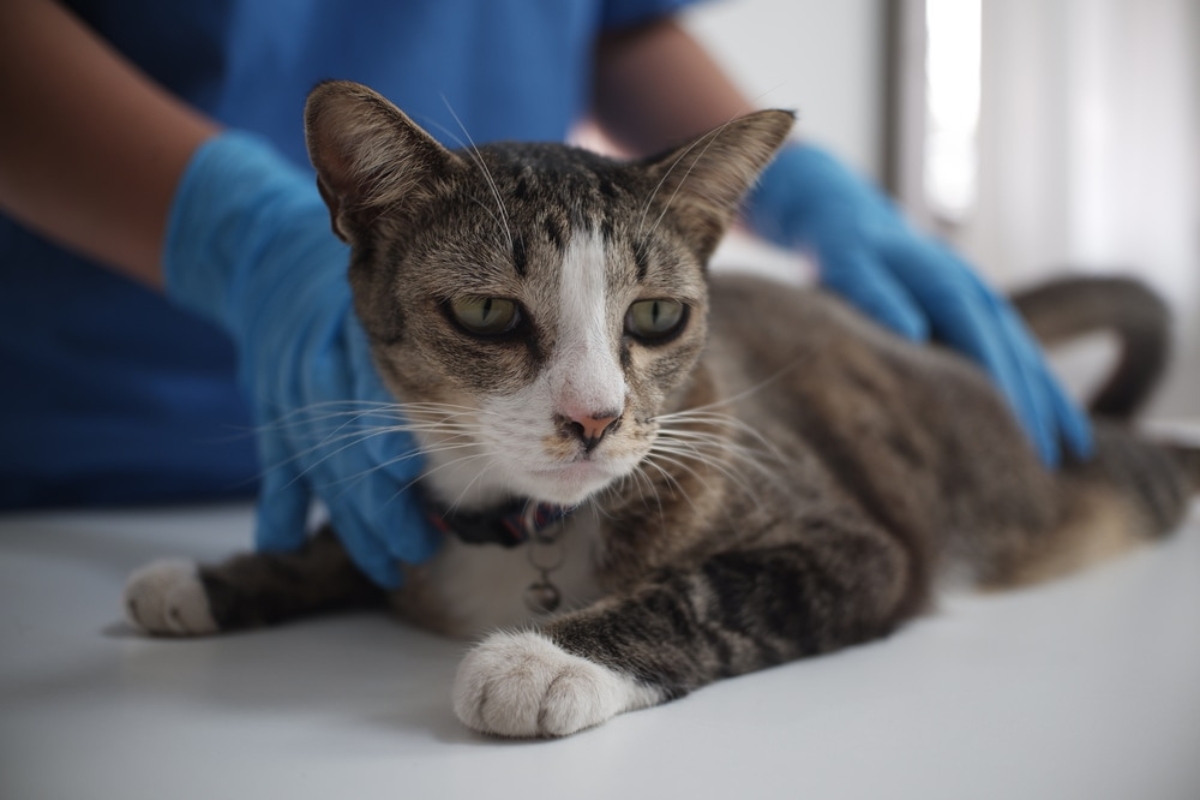
Bringing your furry friend home after surgery can be a mix of relief and worry. You want them to recover quickly and comfortably, but you might feel overwhelmed with post-operative care. Don’t fret! With some knowledge and much love, you can ensure your pet’s smooth and successful recovery.
Creating a Comfortable Recovery Space:
Your pet needs a quiet, clean, and comfortable space to rest. Set up a designated area away from high-traffic zones and other pets. A soft bed or blanket will provide comfort, and easy access to food and water is essential. If your pet has mobility issues, consider placing their bed on a single level to avoid stairs.
Managing Pain and Medications:
Your veterinarian will prescribe pain medication to manage discomfort. Follow their instructions carefully and administer the medication as directed. Never give your pet human pain medication, as it can be toxic. Observe your pet for any signs of pain, such as restlessness, whimpering, or reluctance to move, and report them to your vet.
Monitoring the Incision Site:
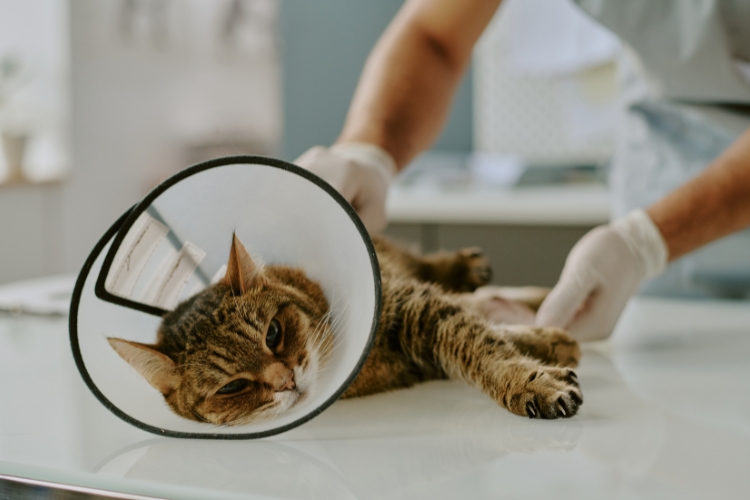
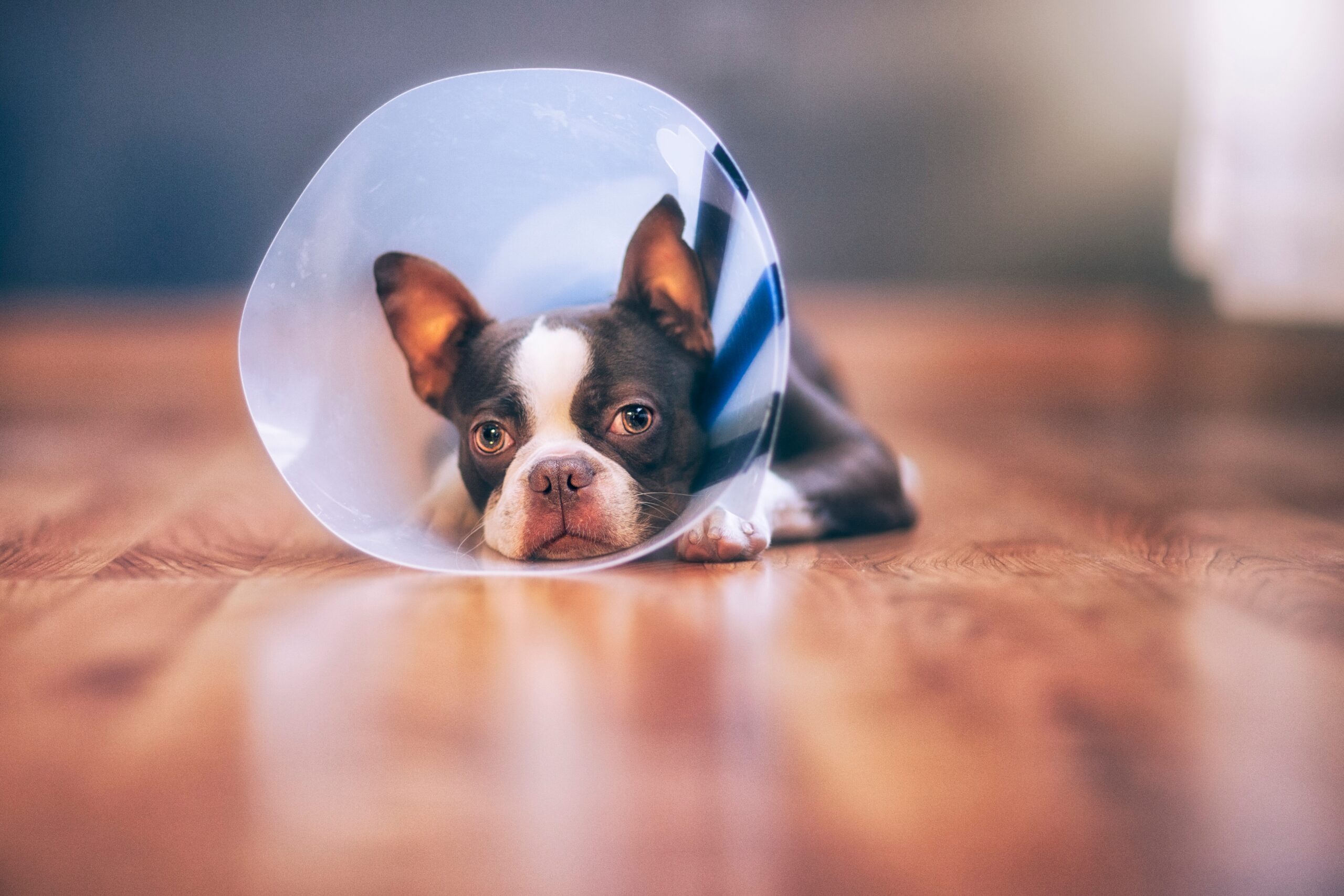
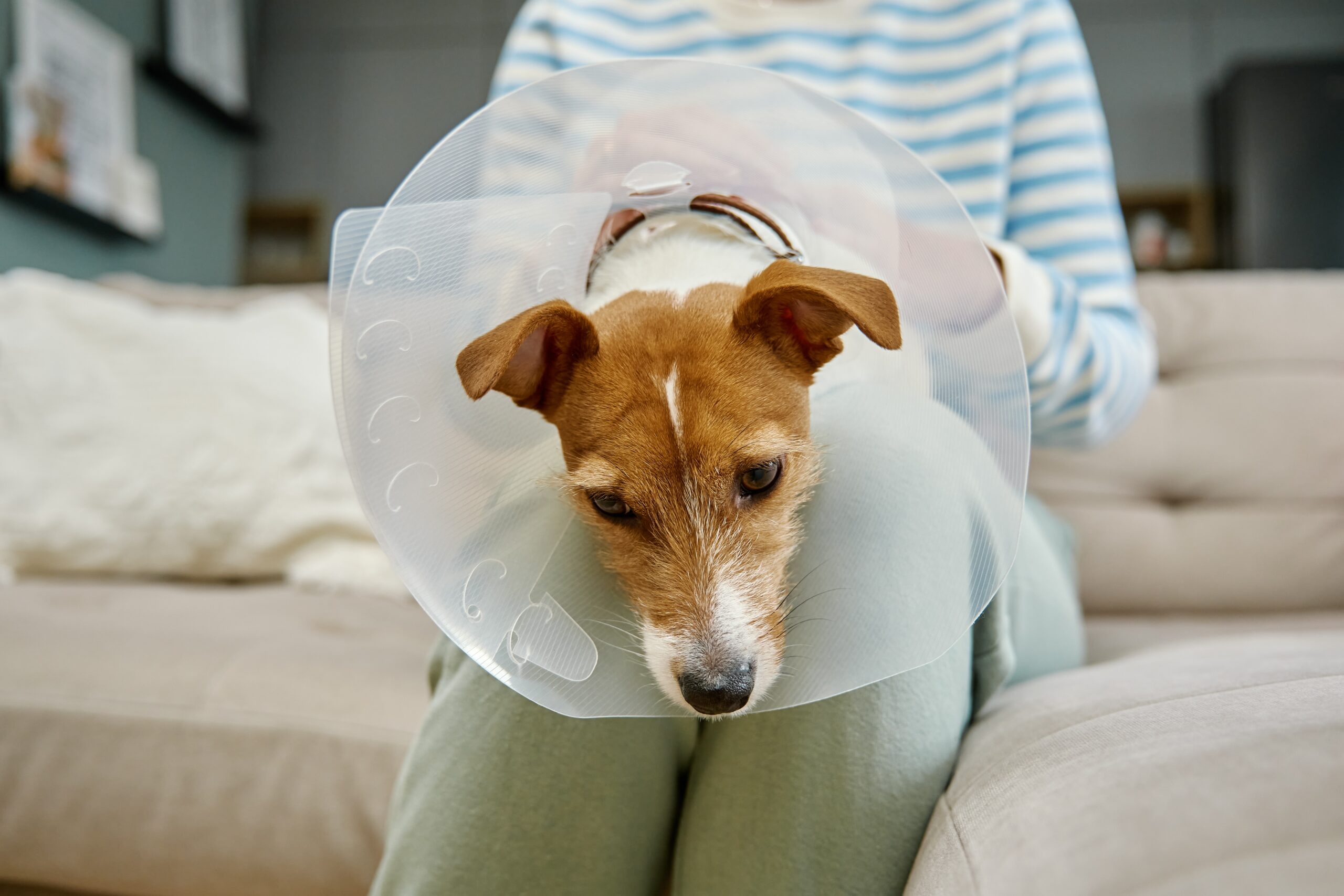
Keep a close eye on the incision site for any signs of infection, such as redness, swelling, discharge, or foul odor. Use an Elizabethan collar (cone) to prevent your pet from licking or chewing the incision. As instructed by your vet, avoid bathing your pet until the incision has healed completely.
Restricting Activity:
Restricting your pet’s activity is crucial for proper healing. Prevent them from running, jumping, or engaging in strenuous play. Keep them on a leash when outdoors, even for bathroom breaks. Follow your vet’s instructions regarding activity restrictions, and gradually increase activity levels as they recover.
Providing Proper Nutrition:
Your veterinarian may recommend a special diet during the recovery period. Follow their instructions regarding feeding amounts and frequency. Ensure your pet has access to fresh, clean water at all times. If your pet has difficulty eating, try offering soft, palatable foods.
Attending Follow-Up Appointments:
Follow-up appointments are essential to monitor your pet’s healing progress and remove stitches or staples. Don’t skip these appointments, even if your pet seems to be recovering well. Your veterinarian can identify any potential complications and provide further guidance.
Offering Emotional Support:
Your pet may feel anxious or disoriented after surgery. Provide them with plenty of love, attention, and reassurance. Speak to them in a calm, soothing voice and offer gentle petting. Be patient and understanding; they may need time to adjust to their new routine.
Recognizing Complications:
Contact your veterinarian immediately if you notice any of the following:
- Excessive bleeding or discharge from the incision site
- Signs of infection (redness, swelling, foul odor)
- Vomiting or diarrhea
- Loss of appetite or refusal to drink
- Lethargy or weakness
- Difficulty breathing
- Seizures
Caring for your pet after surgery requires patience, attention, and a gentle touch. Following these tips and working closely with your veterinarian can ensure your beloved companion’s smooth and comfortable recovery. If you’re seeking expert veterinary pet surgery in Charlotte, our team is dedicated to providing compassionate care and thorough post-operative support. We understand the importance of your pet’s well-being and are committed to helping them return to their happy, healthy selves. Don’t hesitate to contact us with any questions or concerns regarding your pet’s post-surgery care.
New Furry Friends Welcome.
Schedule a Same-Day or Next Day Visit!