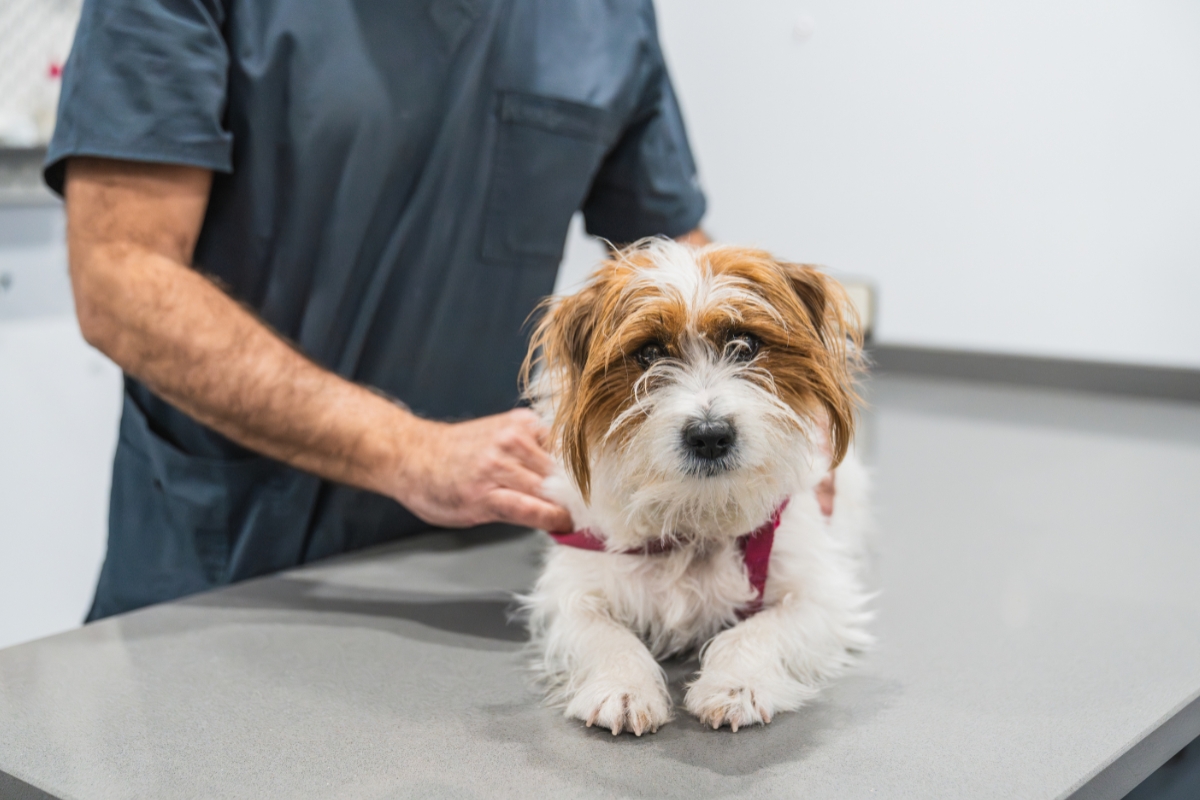
Every pet owner desires a long, happy, and healthy life for their furry friend. However, many health problems in pets often go unnoticed until they reach advanced stages. This is where wellness exams play a crucial role. By offering routine check-ups, veterinarians can identify early signs of illness before they become severe, ensuring your pet gets timely treatment and maintains optimal health. In this blog post, we will explore how wellness exams detect early pet health issues and why they are essential for your pet’s well-being.
What Are Wellness Exams?
First, it is important to understand what wellness exams entail. These exams are regular health check-ups that veterinarians perform on healthy pets to assess their overall condition. Unlike visits prompted by illness or injury, wellness exams are proactive measures designed to prevent health problems. Typically, a wellness exam includes a thorough physical assessment, review of medical history, diagnostic tests, and personalized health advice for the pet owner.
The Power of Early Detection
Early detection of diseases can make a significant difference in the prognosis and treatment success for pets. Many illnesses, such as diabetes, kidney disease, dental problems, and arthritis, develop gradually and often exhibit subtle symptoms that owners might miss. During a wellness exam, veterinarians carefully evaluate vital signs such as heart rate, weight, temperature, and oral health to spot any abnormalities.
Moreover, routine blood work and urine analysis help detect internal issues that are not visible during a physical exam. For example, elevated blood sugar levels can indicate diabetes, while abnormal kidney values might suggest renal problems. Identifying these concerns early allows vets to recommend lifestyle changes, medications, or further diagnostic procedures to manage the condition effectively.
How Wellness Exams Benefit Your Pet
- Preventive Care: Wellness exams allow veterinarians to administer vaccines and parasite preventatives on schedule, which keeps your pet protected from infectious diseases.
- Monitoring Growth and Development: For young pets, regular exams track growth milestones and detect congenital issues early, ensuring proper development.
- Age-Related Health Screening: Senior pets benefit from wellness exams that focus on common age-related ailments, helping to maintain their quality of life.
- Behavioral Assessment: Sometimes, behavioral changes signal underlying health problems. Veterinarians assess your pet’s behavior during exams and suggest interventions if necessary.
- Nutritional Guidance: Wellness exams include discussions on diet and nutrition tailored to your pet’s needs, promoting a healthy lifestyle.
The Role of Technology in Wellness Exams
In recent years, advances in veterinary technology have enhanced the effectiveness of wellness exams. Digital X-rays, ultrasound, and advanced blood panels provide detailed insights into your pet’s internal health. These tools enable veterinarians to detect conditions like tumors, heart disease, or liver abnormalities at an early stage.
Furthermore, veterinary practices now use electronic medical records to track health trends over time. This data helps vets spot gradual changes and intervene promptly, improving your pet’s chances of recovery.
When Should You Schedule Wellness Exams?
Veterinarians typically recommend wellness exams at least once a year for adult pets. However, puppies, kittens, and senior animals may require more frequent visits due to their unique health needs. Additionally, pets with chronic conditions should have regular check-ups to manage their illness effectively.
As a pet owner, it is crucial to schedule these exams even if your pet appears healthy. Remember, the absence of symptoms does not guarantee the absence of disease.
What to Expect During a Wellness Exam
During a typical wellness exam, your veterinarian will:
- Conduct a full physical exam, checking the eyes, ears, skin, coat, mouth, teeth, heart, lungs, abdomen, and limbs.
- Measure weight and body condition score.
- Review your pet’s vaccination and medical history.
- Discuss diet, exercise, and behavioral concerns.
- Perform diagnostic tests if necessary, such as blood work, fecal analysis, or urinalysis.
- Provide recommendations for preventive care, such as flea control or dental hygiene.
By the end of the visit, you will have a clear understanding of your pet’s health status and a customized plan to keep them healthy.
In conclusion, wellness exams are vital for detecting early pet health issues, preventing serious illnesses, and promoting overall well-being. They offer a proactive approach that benefits both pets and their owners by saving time, stress, and medical expenses in the long run. If you live in Charlotte or nearby, scheduling pet wellness exams in Charlotte ensures your beloved companion receives top-quality care from skilled professionals who prioritize early detection and prevention.
Ultimately, regular wellness exams empower you to be an informed and proactive pet owner, safeguarding your pet’s health and happiness for years to come.


New Furry Friends Welcome.
Schedule a Same-Day or Next Day Visit!