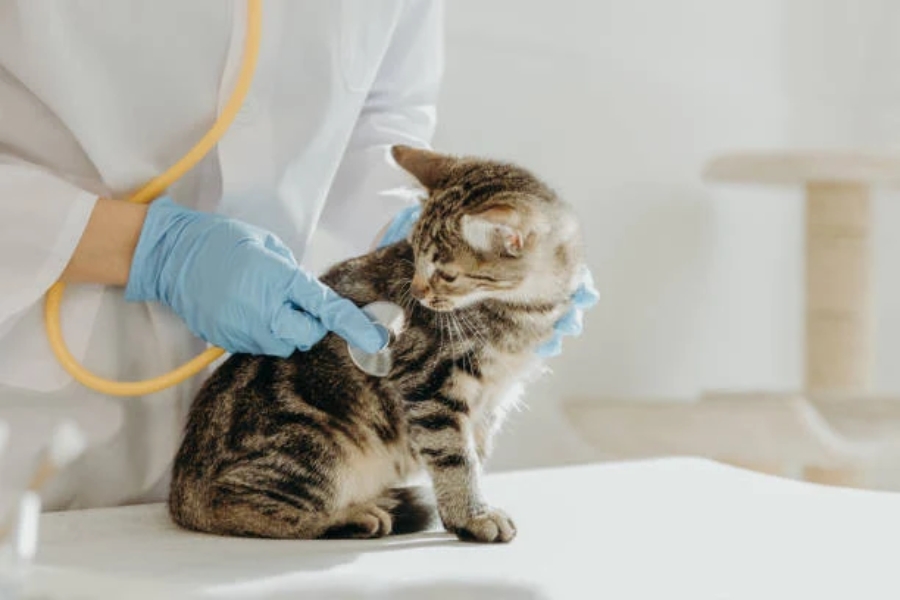
As a loving pet owner, your main goal is to ensure your furry companion enjoys a long, happy, and healthy life. However, even with the best intentions, pets often hide signs of illness, discomfort, or pain, making it difficult for us to detect any issues. This is where wellness exams become an invaluable tool for safeguarding your pet’s long-term health. In this post, we’ll explore why wellness exams are so essential for your pet’s well-being, helping you stay ahead of potential health problems and ensuring your pet leads a fulfilling life.
What Are Pet Wellness Exams?
A pet wellness exam is a comprehensive check-up that helps your veterinarian assess your pet’s overall health and detect any potential issues early. These exams are crucial for pets of all ages, as they provide a chance to monitor their health and make informed decisions about preventive care. Whether your pet is young and healthy or aging and susceptible to new health challenges, a wellness exam provides a thorough evaluation to ensure they stay in the best possible shape.
Why Are Wellness Exams Important for Your Pet’s Long-Term Health?
1. Early Detection of Health Issues
One of the most significant advantages of wellness exams is the ability to catch health issues before they progress. Pets, particularly as they age, tend to hide symptoms of illness. Diseases like kidney failure, arthritis, heart conditions, and even cancer can be difficult to detect without professional help. A thorough wellness exam gives your vet the opportunity to spot early signs of these illnesses, allowing for timely treatment.
For instance, if your pet is showing early symptoms of joint pain or discomfort, a wellness exam can help detect the problem before it severely limits their mobility. An early diagnosis can lead to tailored treatment plans that ease pain and improve your pet’s quality of life, allowing them to remain active longer.
2. Preventative Care for Long-Term Health
Pet wellness exams aren’t just about addressing current health concerns—they play a vital role in preventive care. By keeping up with regular check-ups, your veterinarian can stay on top of your pet’s vaccinations, parasite preventatives, and dental care. Regular wellness exams also give your vet the opportunity to provide nutritional counseling, ensuring that your pet receives the right balance of food for optimal health.
Preventing common diseases is a key benefit of these exams. For example, wellness exams help your vet ensure that your pet remains up-to-date on vaccinations against diseases such as rabies, Lyme disease, and parvovirus. Flea and tick preventatives, often overlooked, are also important components of wellness exams, as they protect your pet from the harmful effects of parasites.
3. Managing Weight and Diet
Obesity is one of the leading health concerns for pets. Overweight pets are at a higher risk for conditions such as diabetes, arthritis, and heart disease. Regular wellness exams give your veterinarian the chance to monitor your pet’s weight and body condition. If your pet is overweight, the vet can help develop a customized weight management plan, including a healthier diet and exercise routine tailored to your pet’s specific needs.
Maintaining a healthy weight is essential for long-term health and longevity. A balanced diet that is suited to your pet’s age, size, and breed can greatly reduce the risk of several preventable diseases. Regular check-ups allow your vet to fine-tune your pet’s nutrition, improving their overall well-being.
4. Mental Health and Behavioral Assessments
Your pet’s physical health is vital, but their mental health is equally important. Pets, especially dogs and cats, can suffer from anxiety, depression, and behavioral issues that may not be immediately obvious. A wellness exam provides the opportunity to evaluate your pet’s behavior and mental state.
For example, if your pet exhibits signs of stress, aggression, or sudden behavioral changes, a wellness exam allows your veterinarian to assess whether physical conditions, such as joint pain or infections, could be the underlying cause. Early intervention is key to preventing behavioral problems from becoming chronic, ensuring your pet remains emotionally healthy and content.
5. Bloodwork and Diagnostic Tests
Routine bloodwork is an essential part of any wellness exam. Blood tests help your veterinarian detect underlying health issues that may not be apparent during a physical exam. For instance, liver or kidney problems, thyroid disorders, and even diabetes can be identified early with bloodwork.
In addition to blood tests, other diagnostic tests such as fecal exams and urinalysis may be performed during a wellness exam. These tests are crucial for detecting infections, parasites, and organ function abnormalities that could otherwise go unnoticed. By identifying issues early, your vet can take prompt action to address health concerns, resulting in better treatment outcomes for your pet.
6. Tailored Care for Aging Pets
As your pet ages, their health needs become more specific. Senior pets are more susceptible to joint issues, hearing loss, vision problems, and other age-related conditions. Regular wellness exams are particularly important for aging pets, as they allow your veterinarian to closely monitor any changes and offer appropriate treatments.
For older pets, wellness exams may involve additional tests, such as cognitive function assessments, joint health evaluations, and more frequent blood tests to check organ function. Tailored care ensures that your senior pet remains comfortable, happy, and healthy for as long as possible.
Localizing the Importance of Wellness Exams for Pets in Charlotte, NC
For pet owners in Charlotte, NC, regular wellness exams are essential to ensure your pet stays healthy in a city environment. Charlotte’s diverse climate and urban lifestyle can present unique challenges for pets, so staying on top of their health with regular check-ups at a trusted veterinary hospital like Rea Road Animal Hospital ensures that they receive the best care possible. Whether you are caring for a young, active pet or a senior companion, wellness exams help you address any specific concerns related to your pet’s health.
Wellness exams are a fundamental part of ensuring your pet’s long-term health and happiness. From early detection of health issues to preventive care and tailored support for aging pets, these exams provide invaluable benefits. Regular wellness exams help ensure that your pet remains healthy, comfortable, and active throughout their life.
If you are in Charlotte and looking for pet wellness exams, book an appointment with Rea Road Animal Hospital. Our veterinary team is committed to providing your pet with comprehensive care to maintain their well-being.
FAQs
Q1. How often should I schedule a wellness exam for my pet?
Ans. It’s recommended to schedule a wellness exam at least once a year. However, older pets or those with health concerns may need more frequent visits.
Q2. Can wellness exams prevent all health problems in pets?
Ans. While wellness exams help with early detection and prevention, they cannot guarantee that all health problems will be avoided. They do minimize risks and help manage conditions before they become severe.
Q3. Are wellness exams expensive?
Ans. The cost of a wellness exam can vary, but they are typically more affordable than treating advanced health problems. Investing in regular check-ups can save money in the long run.
Q4. What happens during a wellness exam?
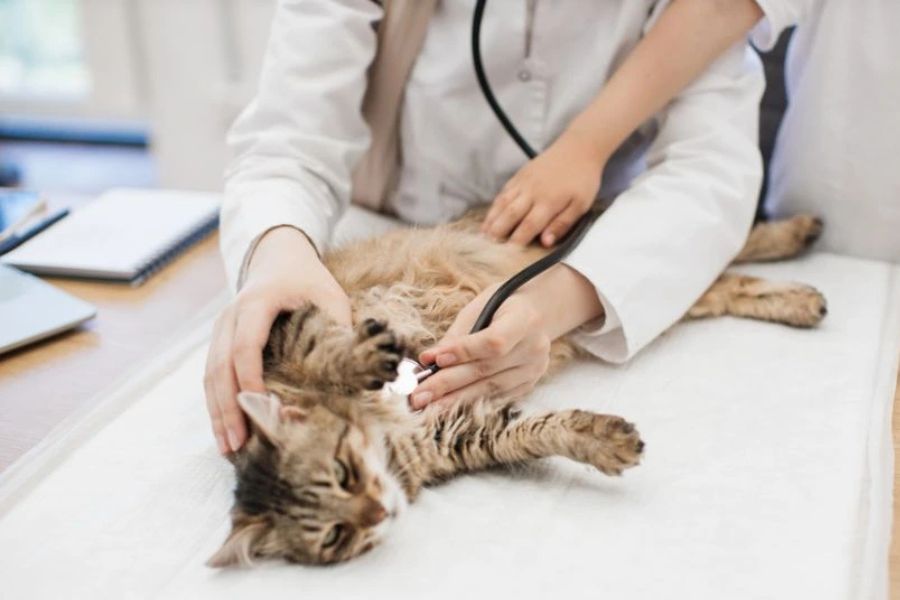
Ans. During a wellness exam, your vet will perform a thorough physical examination, update vaccinations, check for parasites, and may run blood tests or other diagnostic procedures.
Q5. Can wellness exams detect cancer in pets?
Ans. Yes, wellness exams help detect early signs of cancer through routine checks and diagnostic tests. The sooner it’s identified, the better the outcome for treatment.
Q6. Is dental care included in a wellness exam?
Ans. Yes, dental care is typically part of a wellness exam. Your vet will examine your pet’s teeth and gums and may recommend cleanings or treatments if necessary.

New Furry Friends Welcome.
Schedule a Same-Day or Next Day Visit!