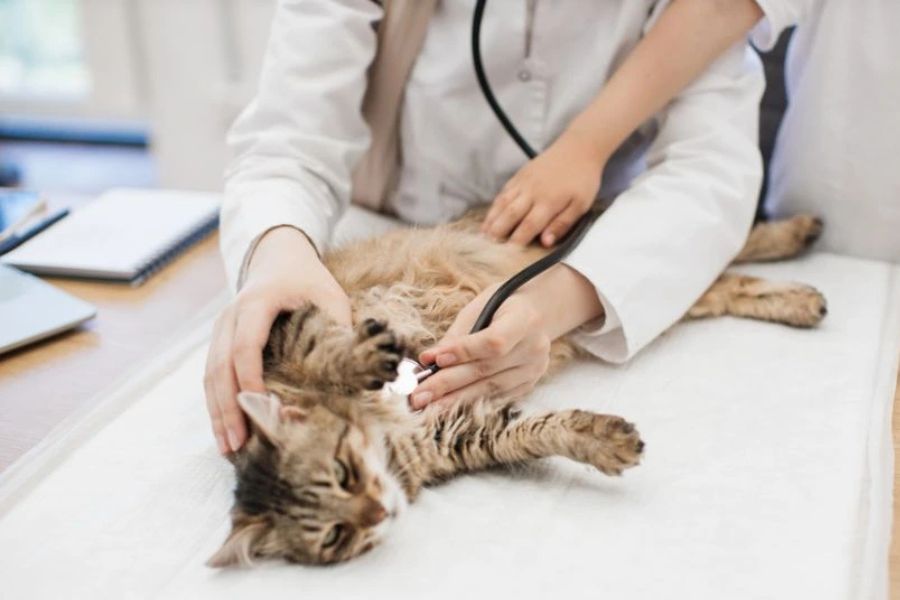
Pets depend on us to notice when something is wrong. Unfortunately, cats and dogs instinctively hide discomfort, which means health issues often progress quietly. Because of this, routine wellness exams play a critical role in protecting long-term health. These visits are not only for when pets appear sick. Instead, they focus on prevention, early detection, and ongoing care.
By scheduling regular wellness exams, pet parents give their cats and dogs the best chance to stay healthy throughout every life stage. These visits create a medical baseline, track subtle changes, and help prevent small concerns from becoming serious problems.
What Is a Routine Wellness Exam?
A routine wellness exam is a comprehensive health check performed by a veterinarian when your pet appears healthy. Rather than treating illness, the goal is to assess overall well-being and identify early warning signs.
During a wellness exam, the veterinarian evaluates physical condition, behavior, weight, and vital systems. In addition, preventive care such as vaccinations, parasite control, and screenings may be discussed.
Because pets age faster than humans, even small changes between visits can reveal important information.
Why Wellness Exams Matter for Both Cats and Dogs
Cats and dogs experience health changes differently, yet both benefit from routine exams. While dogs may show symptoms sooner, cats often mask illness until it becomes advanced. Therefore, consistent veterinary visits are especially important for feline health.
Meanwhile, dogs benefit from routine monitoring of joints, teeth, and weight. Early detection allows treatment to begin before discomfort or complications develop.
Ultimately, wellness exams support quality of life for pets and peace of mind for owners.
Early Detection Prevents Serious Health Issues
One of the most valuable benefits of routine exams is early detection. Many conditions develop gradually and show few outward signs at first.
For example, heart disease, kidney disease, diabetes, arthritis, and dental disease often begin silently. During a wellness exam, veterinarians can detect subtle changes through physical examination, lab work, or behavioral assessment.
When caught early, many conditions are easier to manage. As a result, pets experience better outcomes and longer, healthier lives.
Wellness Exams Support Preventive Care
Preventive care is always more effective than reactive treatment. Wellness exams allow veterinarians to tailor prevention plans based on age, lifestyle, and risk factors.
These plans may include vaccination schedules, parasite prevention, dental care recommendations, and nutritional guidance. Instead of using a one-size-fits-all approach, care becomes personalized.
Because prevention reduces the risk of serious illness, it also helps minimize future stress for both pets and owners.
Monitoring Growth, Weight, and Nutrition
Weight changes often signal underlying issues. Even minor fluctuations can affect joint health, organ function, and energy levels.
During wellness exams, veterinarians track weight trends over time. They also evaluate body condition and muscle tone. If adjustments are needed, nutrition and feeding routines can be modified early.
For growing pets, these exams ensure proper development. For adults and seniors, they help maintain strength and mobility.
Dental Health Often Starts With a Wellness Exam
Dental disease is one of the most common health problems in pets. Unfortunately, many owners do not notice issues until pain or infection occurs.
Wellness exams include oral evaluations that identify plaque buildup, gum inflammation, or damaged teeth. Early dental intervention prevents discomfort and protects internal organs affected by oral bacteria.
Regular exams help keep dental care proactive rather than reactive.
Behavioral Changes Are Important Health Clues
Behavioral changes often indicate health concerns. Decreased activity, increased hiding, appetite changes, or altered sleep patterns deserve attention.
During wellness visits, veterinarians ask questions about behavior and daily habits. These discussions often reveal early signs of pain, anxiety, or illness.
Because behavior reflects overall health, addressing changes promptly improves outcomes.
Age-Specific Benefits of Wellness Exams
Pets need different care at different life stages. Routine exams adapt as those needs evolve.
Puppies and kittens
Early exams support vaccinations, growth tracking, and social development guidance.
Adult pets
These visits focus on maintaining health, monitoring weight, and preventing disease.
Senior pets
For aging pets, exams become especially important. More frequent monitoring helps manage age-related conditions and maintain comfort.
Each stage benefits from regular evaluation and personalized care planning.
How Often Should Pets Have Wellness Exams?
Most healthy adult pets benefit from annual wellness exams. However, puppies, kittens, and senior pets often require more frequent visits.
Your veterinarian may recommend twice-yearly exams for older pets or those with chronic conditions. This approach allows closer monitoring and timely adjustments.
Consistency ensures small changes do not go unnoticed.
Building a Strong Veterinary Relationship
Routine exams help build trust between pets, owners, and veterinarians. Over time, your veterinary team becomes familiar with your pet’s normal behavior, appearance, and health history.
This relationship improves communication and decision-making when health concerns arise. Familiarity also reduces stress for pets during visits.
Strong partnerships support better long-term care.
Common Misconceptions About Wellness Exams
Some pet owners believe wellness exams are unnecessary if pets appear healthy. However, many serious conditions develop without obvious symptoms.
Others worry about cost. In reality, preventive care often reduces expensive treatments later.
Understanding the value of routine exams helps owners make informed decisions that benefit their pets.
Routine wellness exams form the foundation of lifelong health for cats and dogs. Through early detection, preventive care, and ongoing monitoring, these visits protect comfort, mobility, and overall well-being.
If you want to stay proactive about pet wellness exams in Charlotte, NC, the team at Rea Road Animal Hospital is here to support your pet at every life stage. Schedule a wellness visit today and take a meaningful step toward a healthier future for your companion.
FAQs
Q1. Are wellness exams necessary if my pet seems healthy?
Ans. Yes. Many conditions develop silently. Wellness exams detect issues before symptoms appear.
Q2. How long does a wellness exam usually take?
Ans. Most exams take 30 to 45 minutes, depending on your pet’s needs and age.
Q3. Do cats really need annual exams?
Ans. Absolutely. Cats often hide illness, making routine exams especially important.
Q4. What should I bring to a wellness exam?
Ans. Bring vaccination records, medication lists, and notes about behavior or appetite changes.
Q5. Can wellness exams help senior pets?
Ans. Yes. Senior pets benefit greatly from regular monitoring and early intervention.
Q6. What happens if an issue is found during an exam?
Ans. Your veterinarian will discuss the next steps, which may include testing or treatment options.

New Furry Friends Welcome.
Schedule a Same-Day or Next Day Visit!