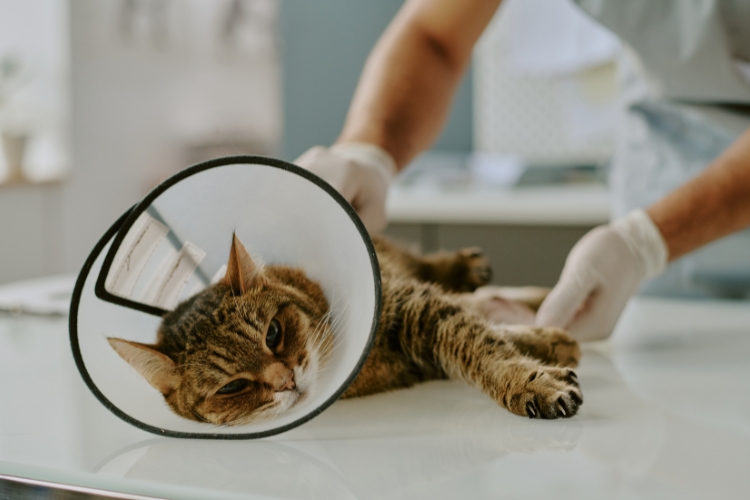
Surgery for pets is usually recommended when waiting or relying on medication is no longer enough to fix the problem. Hearing that your pet may need a procedure can feel unsettling, especially when you are unsure what it really involves. Modern veterinary care focuses on safety at every step, from careful planning to close monitoring and recovery. Each stage is handled with attention and purpose to reduce risks and help your pet heal as comfortably as possible.
This blog is especially for pet owners in Charlotte, NC, who want clear, simple guidance on what happens before, during, and after pet surgery. Many pet owners look for trustworthy information that easily explains surgical care without confusion or heavy medical terms. Understanding the process helps owners feel more prepared and confident when their pets need medical intervention.
Why Surgical Care Becomes Necessary for Pets
Many health conditions in pets cannot heal on their own and may worsen without proper treatment. Surgical care is recommended when it becomes the safest option to improve health and prevent further discomfort. Common reasons include injuries, internal issues, growths, or problems that affect daily movement and comfort.
Conditions That Often Require Medical Procedures
A veterinarian carefully evaluates each situation before suggesting surgery. The decision is based on detailed checks, imaging, and health history to ensure the procedure is truly needed. It helps reduce risks and improve the chances of recovery for pets undergoing treatment.
- Injuries that affect mobility or bones: Broken bones or joint damage may require surgical correction to restore movement.
- Internal conditions that cannot heal naturally: Some organ-related issues need direct treatment through controlled procedures.
- Growths or abnormal tissue development: Removing harmful growths can prevent further health complications.
Preparing Pets for a Safe Surgical Experience
Preparation plays a major role in successful surgical outcomes. Before any procedure, a veterinary team performs detailed health checks to ensure the pet is stable enough for surgery. These evaluations may include blood tests, imaging, and physical exams to identify any hidden risks that could affect the procedure.
Proper preparation also includes instructions for pet owners, such as fasting guidelines and activity restrictions before surgery. These steps help reduce complications during anesthesia and support a smoother surgical process overall. Careful planning ensures pets are as safe and stable as possible before entering the procedure.
How Surgical Procedures are Carefully Performed
Modern surgical techniques are designed to prioritize precision and safety at every stage. During the procedure, a vet monitors vital signs closely to ensure the pet remains stable. Each step is carefully managed to reduce stress on the body and maintain steady health throughout the operation.
Controlled Methods That Focus on Safety
Pain control is also an important part of surgical care. Medications are used to keep pets comfortable during and after the procedure. It helps reduce anxiety and supports a smoother recovery process once the surgery is completed.
- Careful monitoring during the procedure: Heart rate, breathing, and temperature are continuously checked for stability.
- Controlled use of anesthesia: Proper dosing ensures pets remain safe and comfortable throughout surgery.
- Focused surgical techniques for precision: Each step is performed with attention to detail to reduce tissue damage.
Post-Surgery Comfort and Recovery Process
Recovery after surgery is just as important as the procedure itself. Proper pet surgery care helps ensure pets heal without complications and regain strength over time. Rest, medication, and controlled movement are essential parts of the healing process.
Helping Pets Heal in a Safe Environment
A veterinary team guides pet owners in caring for their pets at home after surgery. It may include wound care instructions, feeding guidelines, and activity restrictions. Following these steps carefully helps reduce infection risks and supports faster healing.
- Rest helps the body heal naturally: Limiting movement allows tissues to recover properly.
- Medication reduces pain and swelling: Prescribed treatments help keep pets comfortable during recovery.
- Monitoring the surgical site prevents complications: Checking for redness, swelling, or discharge ensures early detection of issues.
Pain Management and Comfort Strategies
Pain control is an essential part of surgical recovery. Proper management helps pets feel more relaxed and improves their willingness to eat, move, and rest. Without proper comfort care, recovery can become slower and more stressful for both pets and owners.
Keeping Pets Calm and Comfortable After Surgery
A veterinarian often provides a combination of medications and home care instructions to maintain comfort. These methods are adjusted based on the type of procedure and the pet’s individual needs. Comfort-focused care improves recovery speed and reduces stress during healing.
- Pain-relief medications: Support healing and comfort, reduce discomfort, and encourage normal activity.
- Calm environments help reduce stress levels: Quiet spaces allow pets to rest more effectively.
- Gradual movement supports recovery strength: Controlled activity prevents stiffness and supports healing.
Monitoring Recovery Progress at Home
After surgery, close observation at home plays an important role in recovery. Owners are encouraged to watch for changes in appetite, behavior, and activity levels. These signs help determine how well the pet is healing and whether additional care may be needed.
Watching for Signs of Healing or Concerns
Regular follow-ups with a vet ensure that recovery is progressing as expected. These visits help identify any issues early and allow timely adjustments to the care plan. Monitoring helps reduce complications and supports steady healing over time.
- Changes in appetite indicate progress in recovery: Eating habits often reflect comfort and healing status.
- Activity levels show strength improvement: Gradual movement indicates recovery is on track.
- Wound appearance: Reflects the healing status; clean, stable signs suggest proper recovery.
Emotional Comfort During Recovery Time
Recovery is not only physical but also emotional. Pets may feel confused or anxious after surgery due to changes in routine or environment. Providing comfort and reassurance helps reduce stress and improve overall healing response.
A calm and familiar environment supports emotional stability during recovery. Gentle interaction and consistent routines help pets feel more secure. Emotional comfort plays a significant role in accelerating recovery and reducing behavioral changes after surgery.
Long-Term Health Benefits of Surgical Care
Surgical treatment often leads to long-term improvements in health and comfort. Many pets experience better mobility, reduced pain, and improved daily activity after recovery. Addressing medical issues through surgery can prevent future complications and support healthier living conditions.
Improved Quality of Life After Healing
A veterinary surgical procedures plan is designed not only to treat existing problems but also to improve long-term well-being. When combined with proper recovery care, pets often return to normal life with improved energy and comfort levels.
- Improved mobility after injury repair: Pets regain movement and physical strength over time.
- Reduced pain from treated conditions: Surgery often removes the source of long-term discomfort.
- Better long-term health stability: Addressing issues early prevents future complications.
Importance of Follow-Up Care After Surgery
Follow-up visits are essential to ensure full recovery after surgery. These visits allow the veterinarian to check healing progress and make any necessary adjustments to care. Follow-ups help identify hidden issues before they become serious.
Consistent monitoring ensures that pets are healing properly and safely returning to normal routines. These visits also allow pet owners to ask questions and better understand the recovery process.
Clear Steps That Improve Pet Outcomes
Understanding the surgical process helps pet owners feel more prepared when their pets need medical care. Knowing what to expect before, during, and after surgery reduces stress and improves decision-making. Clear communication between owners and care providers plays a major role in successful outcomes.
A well-structured surgical plan ensures safety, comfort, and steady recovery. Each stage is designed to support healing while minimizing risks. When care is consistent and well-managed, pets benefit from smoother recovery and improved long-term health.
Safe Surgical Care and Trusted Pet Recovery Guidance
Surgical care plays an important role in improving pet health by addressing conditions that cannot be treated through routine methods. Proper planning, careful procedures, and structured recovery steps help ensure pets remain safe and comfortable throughout the entire process. When handled with attention and care, surgery can significantly improve the quality of life and long-term well-being of pets.
Rea Road Animal Hospital provides surgical care focused on safety, comfort, and recovery at every stage. The goal is to help pets heal properly while reducing stress and improving overall health outcomes through careful monitoring and structured treatment plans tailored to each case.
If you are in Charlotte and looking for trusted surgical care for your pet, book your appointment with Rea Road Animal Hospital. Our team provides clear guidance, careful procedures, and recovery-focused care that helps pets heal safely and return to comfortable daily life.
Frequently Asked Questions
1. How do I know if my pet needs surgery?
A pet may need surgery when medical conditions do not improve with medication or basic treatment. A full examination and diagnostic tests help determine if a procedure is the safest option for improving health and comfort.
2. What should I expect before my pet’s surgery?
Before surgery, pets undergo health checks such as blood tests and physical exams. Owners receive instructions about fasting and preparation steps. These measures help ensure the pet is stable and ready for a safe procedure.
3. How long does recovery usually take after pet surgery?
Recovery time depends on the type of surgery and the pet’s condition. Some pets recover within days, while others may need several weeks. Proper care, rest, and monitoring help support faster and safer healing.
4. How can I help my pet recover comfortably at home?
Providing a quiet space, following medication instructions, and limiting activity helps pets recover well. Monitoring the surgical site and attending follow-up visits helps ensure proper healing and reduces the risk of complications.
New Furry Friends Welcome.
Schedule a Same-Day or Next Day Visit!